2010 Traffic Fatalities at Lowest Level Since 1949
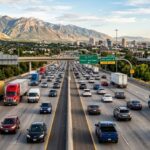
U.S. Transportation Secretary Ray LaHood announced updated 2010 fatality and injury data showing that highway deaths fell to 32,885 for the year, the lowest level since 1949. A new NHTSA measure focuses on distractions that are most likely to affect crash involvement, such as distraction by dialing a cellular phone or texting. New data released by NHTSA using its refined methodology show an estimated 3,092 fatalities in distraction-affected crashes in 2010.

Evatran Launches EV Plugless Power Charging System
Evatran announced it has signed contracts with six commercial participants to outfit their Chevrolet Volt and Nissan Leaf models with pre-production Plugless Power wireless charging systems. The Apollo Launch Program will launch a charging system for electric vehicles that removes the traditional hassles of plug-in cars, using inductive power transfer to streamline EV charging by eliminating the cord and the plug. The hands-free charging system can be used in residential, commercial and industrial applications.
Drivers Say Cell Phone Use Greatest Danger on the Road
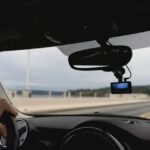
A recent survey by the California Office of Public Safety found that cell phone use and texting now rank as the biggest safety worry on the roads. Motorists consider phone use more dangerous than speeders, tailgaters or drunken drivers. The CHP has issued nearly 475,000 tickets to drivers violating California's hands-free law since it went into effect in July 2008 with a similar number issued by local police departments.
GM to Introduce New Version Small Block V-8
General Motors will introduce an all-new version of its small block V-8 within 24 months. GM engineers say the Gen-V small-block engine will deliver greater fuel efficiency without sacrificing performance. The original small block was introduced in 1955 and became a driving force behind GM's performance push in the muscle car era.
More Fueling Stations Needed for Hydrogen Vehicles
Toyota, Daimler, Hyundai and Honda have all committed to producing hydrogen-powered fuel-cell vehicles by 2015. However, few hydrogen stations, costing more than $1 million to build, exist in the U.S. Hydrogen advocates say that an adequate number of stations will be ready in step with the cars, by 2014 or 2015. Japan, Germany and South Korea have all committed to substantial fueling networks for hydrogen cars in the future.