Fleet RFPs Now Focus on Data
The cycle time for RFPs is now longer than it used to be -- and their primary focus is now all around obtaining actionable data that can be leveraged to make business decisions.
Addressing Data Management Needs
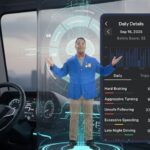
Fleet clients are constantly asking for better and more efficient ways to manage data -- and, via great tools and technologies and highly visual dashboards, that data is being brought to the forefront.
Compliance Time is Now
A lot of changes and regulations the government started working on years ago are coming to fruition this year and next. And that means a lot of fleets out there are scrambling to be in compliance ASAP.
Basic Fleet Management for Property Managers
Expert Educational Content, by Gary Hatfield from Mercury Associates
In the Federal government and many other organizations, vehicle management is a subset of property management so it is important for property managers to appreciate some of the key, unique demands of fleet management to perform their jobs more effectively. This article reviews some of the basic but most significant concepts of vehicle fleet management.
What Is the Fleet?
Let's begin by defining the typical public sector "fleet." In general, it covers all motorized mobile equipment such as cars, trucks, and buses, but it also includes off-road equipment such as tractors, forklifts, and comparable assets because all follow the same life-cycle, have the same basic maintenance requirements, consume fuel, require an operator, etc.
GPS Tracking Solutions Benefit Oil & Gas Fleets
GPS Fleet tracking solutions can improve your Oil & Gas business operations in many ways. You can monitor your fleet remotely any place or anytime, integrate with other important software used by your fleet, set the standard for corporate environmental responsibility, and more. Wouldn't you like to have a bird's eye view of all fleet activity to know what is happening with your fleet at all times?