How Carmakers can Compete for the Connected Consumer
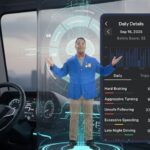
Connectivity and automation are more and more a part of today’s cars, from vehicles that offer dashboard interfaces for accessing email to those that parallel park all on their own. And as customers’ expectations for these features grow—along with their willingness to pay—so will the value pool that’s being created.
The big question? Exactly which players along the automotive value chain will reap the rewards.
Baltimore to Test Electric Car Fleet, Add Charging Stations
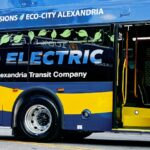
Baltimore is testing electric cars in an effort that could jump-start battery-powered vehicles in its fleets while it works to double the number of charging stations in the city.
The city is leasing four electric vehicles for three years under a $52,500 state grant. The cars will be passed among city agencies for testing — measuring financial benefits such as lower refueling costs and determining if recharge times as long as six hours affect workflow.
Pedestrian Safety: How Drivers and Walkers Can Save Lives
Drivers and walkers are responsible for pedestrian safety on the streets. Drinking and distraction, for example, are risky behaviors for both groups.
Jonathan Adkins used to catch up on personal phone calls as he walked home from his job in Washington, D.C., where he is executive director of the Governors Highway Safety Association (GHSA), an organization representing state highway safety agencies.
READ MORE
Focusing on Service, Not Size
In the wake of the biggest consolidation in the industry, Element Fleet’s new CEO clarifies that big isn’t a strategy - but that big doesn’t need to be a bad thing either.
DHL’s Aggressive Fleet Greening Plan
As part of a global, company-wide initiative, DHL Express has replaced approximately 75 percent of its 3,100-vehicle U.S. fleet with new, more fuel-efficient vehicles in 2014 and 2015, and over half of the vehicles it's adding in 2015 run on alternative fuels, the parcel delivery company announced.
The company has expanded its propane autogas vehicles in Detroit, Chicago, and Elizabeth, N.J., and introduced new battery-electric vehicles in New York and San Francisco. Additionally, DHL will be testing new gasoline hybrid-electric vehicles in several locations.