Current Automatic Emergency Braking Systems Suffer from Limitations Drivers Must Understand
By Mark Boada, Senior Editor
The Holy Grail of traffic safety is that someday self-driving vehicles will make traffic accidents a thing of the past.
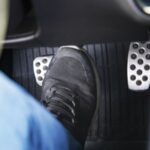
But as increments of that technology are introduced, drivers must be thoroughly trained in their limitations or else run the risk of depending on them for more than the equipment can deliver and of being involved in crashes they thought couldn’t happen.
Case in point: a senior vice president at the Insurance Institute for Highway Safety (IIHS) warned the audience at a global symposium on automated vehicles in Princeton, New Jersey, last week that the currently most successful type of crash avoidance system can’t prevent all kinds of crashes.

Maximizing Efficiency for Global Fleets
One of the biggest trends in global fleets remains the same as over a decade ago: continually working to control spend and maximize efficiency.
A Roadside Test for Texting and Driving?
Ben Lieberman, whose son was killed in a crash involving a distracted driver six years ago, wants to find a way to stop drivers from texting and driving before other teens are killed.
He has given talks at schools. He has attended law enforcement conferences. He has seen people throw up their hands over the lack of a reliable field test to determine for sure whether a driver in a crash had been texting around the time of impact.
“I kept hearing over and over again, there’s no such thing as a Breathalyzer for distracted driving,” Lieberman said. “So I asked why not?”
Top 5 Cities with the Worst #TrafficJams in America
Overcrowded roads clogged with cars are a fact of life in many cities.
A recent study found that the United States was the most congested developed country in the world, according to transportation analytics firm INRIX.
Congested roads cost U.S. motorists almost $300 billion last year in wasted time and fuel.
Luckily, with the popularity of social media, we can chronicle traffic jams all across the country.
Uber’s New Fare System Raises Its Cut While Angering Drivers
Uber has acknowledged that an experimental pricing system it introduced last year may result in drivers collecting a smaller portion of some fares.
The ride-hailing company made the disclosure in an email sent to drivers on Friday, confirming suspicions that have been breeding driver resentment for months.
Under the new system, in place in 14 major markets, driver pay is no longer directly tied to how much passengers pay.