Uber to Double Down on Safety in Their App
Uber has opposed changes requested by riders and regulators in the past, but will soon be adding upgrades aimed at keeping its U.S. ride-hail customers safe, including an emergency 911 feature akin to a “panic button”.
Riders will also be able to share their trip information with up to five “trusted contacts” on every trip so there are multiple sets of eyes to ensure rides go smoothly.
“In the past, Uber conducted background check reruns in jurisdictions where required,” CEO Dara Khosrowshahi said in a blog post Thursday. “Going forward, we’ll proactively rerun criminal and motor vehicle checks each year, regardless of whether there is a legal obligation to do so.”
Read the article at The Washington Post.
Changing Company Culture is Volkswagen’s New CEO’s Primary Tasks
Herbert Diess, a former BMW executive who joined Volkswagen two months before the emissions scandal exploded, was named chief executive by the Volkswagen supervisory board and now must demonstrate that he can navigate the company's well known insular, hierarchical company culture.
Being an outsider to both Volkswagen and the company's base of Wolfsburg, can either help or deter Diess as one of his primary tasks is changing the culture to establish a stronger whistle-blower system, and ensure that employees believe they can use it.
“Culture is certainly the most difficult task for Diess,” said Ferdinand Dudenhöffer, a professor at the University of Duisburg-Essen who follows the car industry.
Read the article at The New York Times.
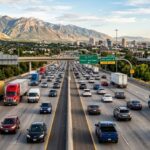
Autonomous Technology Prepares for the 3 P’s: Profitability, Policy and Public Safety
Defining the levels of autonomy that the industry uses to integrate increasing amounts of sensors and artificial intelligence into vehicles has been the focus of the Society of Automotive Engineers, who met in Detroit last week.
“I think all of us have this heaven-and-hell scenario of what autonomous vehicle technology is going to do,” Karina Ricks, director of mobility and infrastructure for the greater Pittsburgh area, said during a panel discussion this week. “The version of hell that I see is one where we ultimately have to wall our pedestrians away from the travelways so that we can make way for autonomous vehicles.”
Read the article at The Detroit News.
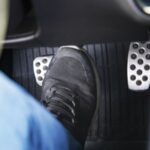
Biggest Cause of Distracted Driving Crashes is Daydreaming
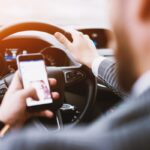
According to an insurance company's recent analysis of distracted driving and traffic safety, daydreaming is still the biggest cause of distracted driving crashes.
One of the best ways to keep the mind on task is to find it something else to do that offers some stimulation - simple word games and tuning into a radio program are much less distracting than a telephone conversation, even with a hands-free device.
"Talking with someone on a phone is much more distracting to a driver than even talking to someone in the car. When conversing inside the vehicle, a passenger will generally vary the conversation’s level of intensity and engagement in sync with traffic conditions the driver faces," said Paul Atchley, a professor of psychology at the University of South Florida in Tampa said.
Read the article at The Washington Post.
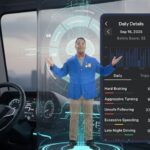
Use Data to Reduce Your Fleet’s Accident Rate by 15-20%
Download Donlen's free white paper to learn how you can manage your fleet’s safety data and take action to reduce your fleet’s accident rate.
Do you know which data points to monitor in order to proactively correct risky driving behavior and prevent accidents in your fleet? Download Donlen's latest white paper today to learn how you can use data to prevent fleet accidents and most importantly, ensure your drivers get home safely.