There is No Magic Pill for Safe Driving
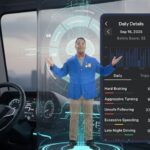
More technology and more data is a great thing, but there is no magic digital pill when it comes to safer driving. The reality is that drivers need to truly personalize what they are doing behind the wheel.
Stormy Weather!
American journalist David Muir said, “If any event teaches you how to perform on no sleep, it’s a hurricane.” And if you are a fleet manager and have a hurricane bearing down on your drivers, you are scrambling for solutions to help get them to safety.
At last fall’s AFLA conference, we heard compliments from fleets about WEX’s invaluable assistance to their drivers as hurricanes Harvey and Maria whipped through. Now, WEX’s Bernie Kavanagh has written a definitive guide: Hurricane Preparedness for Fleets. Of hurricanes, he says, “It’s the ultimate nightmare for a business with any exposure at all to mobility.”
Enjoy this week's issue and check our FMW website for daily updates.
Janice Sutton
Editor in Chief
Five Essential Features to Consider When Buying a Connected Car
The computerized technology that is standard in new vehicles is amazing, with Bluetooth, rear-view cameras and zoned temperature controls featured in 2018 models. There is a vast amount of data collection happening, too.
Connected cars offer even more convenience and features to enhance your driving pleasures. What do you need to consider? Infotainment systems provide hands-free calling, audio playback and many have partnered with Google and Apple and your smartphone can link to these systems via Android Auto or Apple CarPlay.
Read the article at USA Today.
LeasePlan Joins Global ZEV Challenge to Accelerate Transition to Electric Mobility
LeasePlan announces today that it has become a founding partner of the Zero Emission Vehicle (ZEV) Challenge, a new global coalition organized by The Climate Group and C40.
The aim of the ZEV Challenge is to bring together states, regions, cities, businesses and NGOs to send a clear signal to the automotive industry of the increasing demand for electric vehicles (EVs). Partners will also develop and advocate policies and solutions that will spark mass adoption of EVs.
Traffic Tips to Save You Time and Frustration
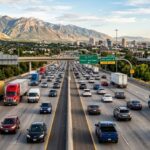
The quickest, most efficient way to merge for a construction zone probably isn’t what you think it is. The “zipper merge,” in which vehicles run in parallel until one lane physically narrows, is better for traffic flow than when vehicles form a single line early.
Weaving through traffic to get around slower vehicles on the highway actually saves you less time than you think, and you are more likely to add to congestion or be involved in an accident.
Read the article at Detroit Free Press.