Nissan Adding Fuel Cell Vehicles to Zero Emissions Target
In Japan, Nissan is showing off its next-generation fuel cell stack, which the automaker has claimed to have the world's best power density for its size - with 2.5 times more storage capacity and smaller and lighter than its predecessor. It will power cars that will be part of Nissan's mission of selling 1.5 million zero emission vehicles by 2016.

New Auto Safety Features Focus on Accident Prevention
At the Los Angeles Auto Show a number of carmakers highlighted new safety features focusing on preventing accidents rather than merely surviving them. New features unveiled included lane-departure and blind-spot warning technology on the Ford Explorer and a virtual bumper feature on the Cadillac XTS. The additional features are needed to act on the safety warnings when a driver fails to do so.
Zipcar Enters Cargo Van Business
Car sharing company Zipcar plans to offer full-size cargo vans, that it calls Zipvan, in a pilot project in San Francisco. This is in response to customers showing an interest in renting large Zipcars by the hour for moving around cities. Zipcar will also target small businesses looking for a cheaper way to move goods.
Fleets Use Technology to Monitor Driver Behavior, Improve Safety
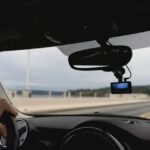
More fleets are using technology to take advantage of near-real-time reporting on driver performance. Today's technologies allow fleets to keep track of where their trucks are at any moment as well as how the trucks are being operated. Tracking driver behavior has become more important, particularly in response to the new CSA enforcement program.
Mazda’s i-Eloop Cycles Energy to Save Gas
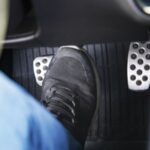
Mazda in Japan says it has found a way to store energy from hybrid regenerative braking in a capacitor. Regenerative braking systems use an electric motor or alternator to generate electricity as the vehicle decelerates. Mazda's new i-Eloop system can be fully charged in seconds and is expected to save about 10% on gas.