MIT Study: Electric Trucks Can Reduce Commercial Fleet Costs
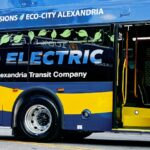
A study by MIT's Center for Transportation and Logistics found that using electric trucks for urban commercial fleets can cost 9% to 12% less to operate than diesel-powered trucks when used to make deliveries on a daily basis in large cities. Researchers also looked at the possibility of the trucks as part of a vehicle-to-grid system, where batteries could be plugged into the electric grid for 12 hours each night as an additional electricity source for consumers. Truck owners would receive compensation from utility firms for providing the power service.

Collision Risks Almost Double With Marijuana Use
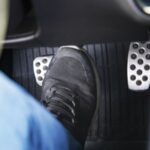
A British Medical Journal study found that using marijuana nearly doubles the risk of vehicle collisions. Cannabis affects spatial location; drivers who have recently smoked marijuana may follow cars too closely, and swerve in and out of lanes. People under its influence often deny feeling impaired.
Fading Distracted Driving Concerns Result in New Vehicle Technologies
A fading push for national regulations governing driving and cellphone use means auto makers are adding more new technologies to their vehicles, and customers love the electronics. Kia Motors' Michael Sprague said, "Consumers are going to continue to drive with phones and all we can do as a manufacturer is to provide what the consumers are asking for and make it as safe as possible." The NHTSA plans to issue results of a study on cognitive distraction caused by the new technologies later this year.
PHH Arval, FleetCor Align to Offer New PHH MasterCard
In an alliance with global fuel card provider FleetCor, PHH Arval will now offer a new corporate universal PHH MasterCard, powered by Comdata. The program will be available for Canadian clients and deliver a comprehensive North American fuel program for PHH Arval heavy truck fleets, as well as enhanced coverage in Puerto Rico. Using the card, managers can design a program for their company which includes enhanced fraud prevention and cost reduction features.
Kbb Forecasts Spike in Used-Car Values
Alec Gutierrez, Kelley Blue Book senior market analyst, projects a 3-5 percent spike in used-car values heading into April, but then followed by a leveling off period that will leave used-car values similarly high for the rest of the year and with less volatility than the market experienced in 2011. The situation in Iran, higher gas prices, or another recession, could significantly change the playing field.