It May Be A Long Time Before Electric Vehicles Go Mainstream
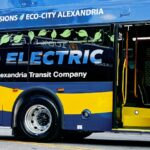
Electric mobility may be growing at a rapid pace around the world, but it could be some time before e-cars go mainstream.
As greater importance is placed on reducing carbon emissions, more countries are providing incentives to build integrated infrastructure, and to encourage drivers to switch to electric vehicles.
Chinese automakers Beijing Electric Vehicle and BYD, U.S. electric carmaker Tesla and Japan’s Nissan were the top producers. Together, they manufactured approximately 560,000 of the world’s fully electric cars. Still, this number accounts for less than 1% of the one billion vehicles being driven today.
Read the article at CNBC.

It’s Getting Riskier to Walk and Bike After Dark
More U.S. pedestrians are dying in car crashes, and more of them are dying at night, according to the latest data from the National Highway Traffic Safety Administration.
In 2018, 6,482 people were killed by drivers while they were on foot, a 3.4 percent jump from 2017. Cyclist fatalities also rose by 6.3 percent from 2017, with 859 killed. After a decade of uptick, both groups saw their highest death toll since 1990.
While heavy, high-rise SUVs and trucks often insulate their occupants from crashes better than compact cars, they’re also more likely to kill pedestrians and cyclists in the event of a crash, and the popularity of these larger vehicles has surged.
Read the article at City Lab.
AFLA Canada 2020 Fleet Summit
AFLA is excited to announce the launch of the first-ever AFLA Canada Fleet Summit, to be held February 12-13, 2020 in Mississauga, Ontario.
The AFLA Canada 2020 Fleet Summit will focus on disseminating Canadian-specific fleet best practices and benchmarking to Canadian-only corporate fleet managers - as well as multi-national fleets with operations in Canada but managed by US fleet managers.
Watch for additional emails, or visit AFLA.org to view the most up-to-date information including registration.
Looking Beyond the Fleet Department for Optimal Emergency Response
Editor's Note: This article was first published in FMW in April, 2018, but the message could not be more timely
By Jason S. Hicks, CAFM
It’s a Sunday afternoon and the snow starts falling. Then the wind starts howling, and then the power goes out. It’s a blizzard that’s going to paralyze your region for days.
As fleet managers, we know that someday we may be required to operate and manage our fleet during a blizzard, hurricane, earthquake or any of a number of different kinds of disasters. And while you may well have developed a plan to keep your fleet running, it’s important to ask yourself: just how well-prepared are you?
Have you fully thought through all that could go wrong to disrupt your fleet and how you would address each kind of challenge so you can help your government organization deliver the emergency services your citizenry will depend upon?
German OEMs and Startups are Getting Ready for Massive Disruption
Mobility. Autonomy. EVs. Massive change is about to hit the automotive sector worldwide, and German OEMs and German startups are committed to making sure they’re ahead of the game.