L.A. Has Olympic-Size Plan to Cut CO2 and Supercharge EV Use Ahead Of 2028 Games
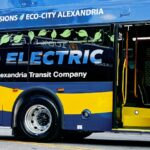
Los Angeles is launching an initiative seeking a 25% cut in greenhouse gas reduction ahead of hosting the 2028 Olympic Games, lining up help from Nissan, Tesla, BMW, Audi, electric-bus makers Proterra and BYD, and public and private utilities.
The Transportation Electrification Partnership has specific goals laid out as the Zero Emissions 2028 Roadmap. Targets include 30% of L.A.-area personal passenger vehicles on the road being electric and ensuring that 40% of commercial truck trips are exhaust-free.
The Los Angeles region is already among the biggest markets for electric vehicles in the U.S. but would grow dramatically larger if the program’s goals are hit.
Read the article at Forbes.

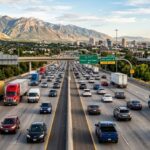
Despite ‘Vision Zero’ Target, Some Cities See Traffic Fatalities Rise
Inspired by Sweden's lowest national traffic mortality rates in the world, dozens of cities in the United States have set a mission of eliminating traffic fatalities and injuries in ten years, with a plan named Vision Zero.
The basic logic of Vision Zero is that any traffic collision that results in death or serious injury is viewed as a tragedy that could be prevented through smarter engineering, education, and enforcement.
While some places have managed to bend their traffic fatality curves, others have struggled to budge a transportation status quo that prioritizes the ease of driving over the safety of other people on the road. Since 2013, the numbers of deaths among U.S. pedestrians and cyclists have risen by nearly 30 percent and 14 percent respectively, nationwide.
Read the article at CityLab.
GM Can’t Keep Up With Competition in China
The future for General Motors Co.in China is in the hands of customers to reverse the 18% slide of its overall passenger-vehicle retail sales.
“In China, the business environment remains challenging and volatile,” Mary Barra said in an earnings call in October. “We’re also seeing a lot of pricing pressures.”
GM needs to refresh its lineup to keep pace with new EVs from foreign and local carmakers in China. The country is the U.S. automaker’s biggest market by sales.
Read the article at Bloomberg.
Electric Cars, Smart Charging and the Future of Energy Management
Electric vehicles are effectively distributed batteries on wheels that can be turned into grid assets, as they often are plugged into a charging station far longer than the time needed for a charge.
Through smart grid charging, IoT platforms can pause or delay charging to when electricity is cheapest and greenest – such as charging when the sun is shining to absorb excess solar energy on the grid.
With vehicle-grid integration, automakers can simultaneously advance two high-level goals – the decarbonization of electricity generation and decarbonization of transportation – while deploying flexibility services that can facilitate renewables deployment.
Read the article at Wards Auto.
Getting Valuable Takeaways from AFLA
The AFLA Board is focusing on making sure that attendees bring tangible and helpful information back from the annual conference.