Analysis: Top 25 Cities Could Save On Average 37% of Fuel Costs by Switching to EVs
Whitepaper uses new Dollar Per Gallon-equivalent rating (DPGe) to directly compare electric and traditional fleet vehicle fueling costs
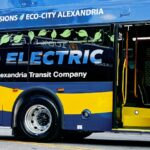
A recent white paper by AMPLY Power reveals that 25 of America’s largest metropolitan areas could save an average of 37 percent on fuel costs by electrifying their bus and light-duty vehicle fleets.
Additionally, well-managed electric fleets, that optimize electricity charging for off-peak hours, and avoid demand charges, can save as much as 60 percent on fueling versus their internal combustion engine (ICE) or unmanaged EV fleet counterparts.

High-Speed Connectivity is the Key to Delivering Advanced Automotive Technology Drivers Will Trust
“The majority of connected vehicles today are still aligned with 2G and 3G networks that provide far greater speeds than previous generations but not the kind of speed 4G and 5G promise the smart automotive industry.”
By: Mike Branch, Vice President, Data & Analytics at Geotab
Since 1996, when General Motors introduced OnStar to enable drivers to call for roadside assistance and emergency services, carmakers have developed highly intelligent technologies to advance the smart, connected vehicle. But, as the automotive and tech industries ramp up efforts to bring autonomous vehicles (AVs) mainstream, some critics argue they may be putting the cart in front of the horse.
Before expecting skeptical consumers to embrace driverless cars, it may require taking a small step back to consider where their confidence hangs in the balance: trusting in the technology currently embedded in their vehicles.
Collision-Warning Systems Can Modify Driver Behavior
Older cars can be outfitted with aftermarket lifesaving technology systems, similar to the new collision warning equipment in new vehicles.
A new study from the IIHS suggests it can make driving safer for you — or your teenager.
“I never used turn signals as much until I started driving with a lane-departure warning system,” said Ian Reagan, the author of the study and an official at the IIHS.
Read the article at The New York Times.
UK Conference: Fleets Need City and Regional Governments to Nudge Mobility as a Service Out of its Infancy
By Andrew Boada, Editor at Large
While mobility as a Service, or “MaaS,” is being touted as the future of fleet management, it’s still in its infancy and needs city and regional governments to do much more to make it a mature reality.
That was the consensus at a two-day conference in London this month called Smart Mobility & Transportation 2019.
For fleet managers, MaaS means managing a budget that covers every way that employees travel on the job, including ride-hailing, taxis, airplanes, and public transit. The goal for fleets is cost-savings derived in large measure from reducing the vehicles they own or lease and maximizing the use of the ones they continue to own.
For governments, as conference speakers indicated, the ultimate goals are different, but overlap and are complementary with fleets’.
Using Car2Go App, Car Thieves Steal 100 Vehicles in Chicago
Car thieves in Chicago have made off with more than 100 high-end vehicles using the car-sharing service Car2Go.
Some vehicles were then used to commit other crimes.
Despite earlier reports that the app was hacked, Car2Go explained in a statement that the app is secure and said the company is treating the issue as a fraud case. An investigation is still ongoing and at least 12 suspects are in custody.
Read the article at Car and Driver.