Truemag

  • Newsletters
  • Thought Leadership
  • Mobility
  • Safety
  • Work Trucks
  • Videos
  • Home
  • Subscribe
  • Contact Us
  • Media Kit
  • Who We Are

Automatic Braking Coming, But Not All Systems are Equal

Detroit Free Press

Fully autonomous vehicles that drive themselves from point A to B are still in the future, but braking systems that step in to slow or stop a vehicle without the driver’s intervention are here today, and about to become more common.

Automatic braking will eventually make cars safer, reduce injuries and the cost of accidents, but there will be hiccups along the way. They will not prevent all collisions, and they will generate a new category of quality complaints for automakers and vehicle owners.

READ MORE

That’s because not all automatic braking systems are created equal. If you think drivers get annoyed by bad voice recognition or finicky audio and climate controls, just wait ‘til they start reacting to phantom braking, false-positive collision alarms and collisions that happen despite the fact that their car has automatic braking. Tuning the systems correctly will be vital not just for safety, but for customer satisfaction.

The technology for automatic braking is still in its early days, but regulation and consumer demand is rapidly pushing it into more vehicles around the world.

“We are seeing a steady increase in consumers who want technologies like automatic braking, as they hear more about them,” AutoTrader senior analyst Michelle Krebs says.

In a new study, AutoTrader found 70% of consumers want automatic braking, self-parking and other driver aids.

The U.S. government was considering making automatic braking mandatory, but BMW, Ford, General Motors, Toyota, Volkswagen and Volvo agreed earlier this year to work with regulators and the insurance industry on a voluntary plan to put them in all vehicles. The timeframe hasn’t been set, but the parties agreed all new cars will come with the system “in the near future.” In regulatory terms, that probably means five to eight years.

Other automakers that didn’t sign that initial agreement are sure to follow suit. The history of the last two decades shows that customers vote for safer vehicles with their pocketbooks. For instance, curtain air bags are not mandatory, but try to find a new vehicle without them. They began as an added feature on low-volume premium models, but became ubiquitous.

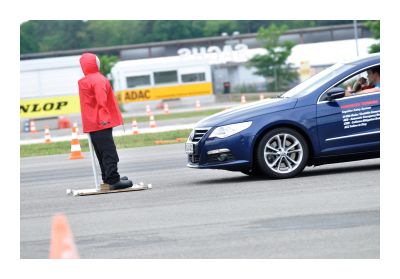
The same thing is happening with automatic braking. Many vehicles offer versions of it now. Some promise to bring the car to a complete halt, others step in when a collision is inevitable to reduce the violence of impact. Some recognize pedestrians, others can only detect vehicles. Systems that will spot large animals like deer are also in the works.

The Insurance Institute for Highway Safety says 1% of 2015 vehicles had standard automatic braking. The system was optional on 26%.

Each automaker has its own software engineers, its own level of hardware and its own idea of what the system should do. That leads to a vast difference in how automatic braking systems work.


Read more of the original article in Detroit Free Press

 

Jan 3, 2016connieshedron
Ford F-Series Set to Top Sales Charts Yet AgainPitching and Selling Sustainability Initiatives to Senior Management
Recent Posts
  • IMPROVLearning: How Comedy, Behavioral Science and AI Improve Fleet Safety
  • Improving Productivity with AI: Turning Fleet Data into Faster Decisions
  • National Safety Council Projects Increased Traffic Crash Risk during Fourth of July Weekend
  • Keep Every Heavy-Duty Maintenance Inspection on Track — Free Fullbay Checklist
  • Gain Data-Driven Insights into Commercial Vehicle Market Trends at Executive Leadership Summit
  • Last Chance to Save: Register for NAFA’s Maintenance Workshop
  • License Plate Cameras Are About to Start Tracking a Lot More Than Just Your Car
  • America’s Heavy EV Problem May End with Drivers Paying More
  • Trends in U.S. Drivers’ Perceptions and Attitudes Toward Vehicle Automation, 2019–2025
  • 2026 NETS Strength IN Numbers Conference: Early Bird Rates!
ASSOCIATION NEWS
Last Chance to Save: Register for NAFA’s Maintenance Workshop
How AFLA Is Positioning Itself for the Future of Fleet Mobility
‘Raise Your Hand and Get Involved’
NAFA Names 2026 Class of Fellows, Honoring Leaders in Fleet Management
Award Winners Honored at NAFA I&E
2026 NAFA I&E Seeks to Change Perceptions, Invigorate Fleets
NAFA Announces Lineup for Media Day at I&E 2026: Industry Leaders to Showcase the Latest Innovations
TECHNOLOGY
Improving Productivity with AI: Turning Fleet Data into Faster Decisions
Fleet Operations Are Changing – The Industry Needs to Evolve With Them
AI-Powered Vehicle Inspections Move Beyond the Checklist
Motive’s New Workforce Capabilities Aim to Improve Performance, Automate Rewards
AI + Human Insight: Why Fleet Leaders Need Both to Win in 2026
NTSB Finds Automation Overreliance Contributed to Two Fatal Ford BlueCruise Crashes
New AI Assistants Automate Fleet Data Analysis, Decision Making and More
CONFERENCES & WEBINARS
2026 NETS Strength IN Numbers Conference: Early Bird Rates!
AFLA 2026 – Keynotes Announced!
Private Fleets Flex at National Private Truck Council Conference
Free NAFA Webinar: Manage Your Fuel Cost Volatility
Registration Now Open for NETS Annual Conference
Early Bird Pricing for AFLA 2026 – Ending June 1
NAFA Online Seminar: Essentials of Fleet Management
INDUSTRY ANNOUNCEMENTS
Union Leasing Becomes Moventum Fleet Management as 70-Year Company Accelerates into Next Phase
Fleetio Wins Innovations Award at NAFA’s 2026 Institute & Expo
WIFM is heading to NAFA!
Cox Automotive Unveils Cox Fleet, Setting a New Standard for Fleet Uptime Nationwide
AFLA Canadian Fleet Professional of the Year Award: Nominations Open!
NAFA Webinar: Kickoff the 2026 100 Best Fleets Contest on December 4!
Join NAFA’s Free Fleet 101 Live Course

Fleet Management Weekly Newsletter Archive
Access to back issues of the FMW newsletter.

FMW Mobility
How mobility is rapidly changing the fleet management landscape.

Newsletter

Subscribe

FMW Fleet Videos
Video clips of industry leaders speaking on a variety of engaging hot topics in fleet.

2014-2020 © Fleet Management Weekly