By Ian Gardner, CEO, EVAI
March 26, 2025
Today’s vehicle fleet management processes often leave much to be desired, with several notable frustrations and gaps. Fleet management companies frequently exhibit a lack of AI-driven insights and real-time data analysis, leading to reactive decision-making, delays, and inefficiencies. Additionally, many systems lack advanced predictive modeling and machine learning capabilities, which hampers their ability to optimize operations and make cost-effective data-driven decisions.
 The absence of a comprehensive total cost of ownership (TCO) platform further exacerbates the issue, as fleets struggle to accurately forecast operating expenses, manage asset depreciation, and optimize vehicle utilization. These shortcomings highlight the urgent need for more AI-driven, innovative, and responsive solutions in the fleet management industry, especially for those fleets that continue to look to adopt more EVs into their fleets.
The Foundational Importance of Fleet Management
Vehicle fleet management is a critical aspect of many businesses, ensuring that transportation requirements and logistics operations run smoothly. However, the current state of fleet management often falls short of expectations.
One of the primary issues is the lack of dynamic, real-time, actionable insights which respond to changes in operations from fleet management companies. This can lead to significant downtime, increased operational costs, and inefficiencies, which in turn affect the overall productivity and profitability of businesses relying on these services. When fleet management companies fail to predict problems before they occur then they are forced to respond to issues such as vehicle breakdowns, maintenance needs, or route changes, which can result in unplanned service interruptions and higher TCO.
The Need For Greater Data Decisioning
Moreover, many fleet management systems are outdated and lack the advanced AI and technology needed to optimize operations. In an age where data-driven decision-making is critical, the absence of sophisticated tools to analyze and interpret data and predict problems before they occur can be a major hindrance.
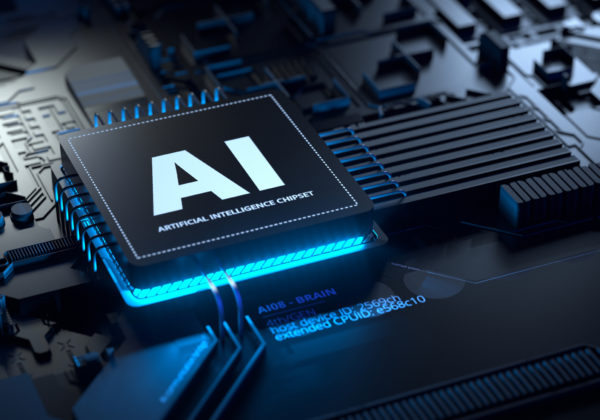 AI-powered fleet management solutions can predict maintenance needs, optimize charging and fueling strategies, and even improve vehicle utilization, all of which contribute to reducing costs and improving efficiency. Without properly trained and specialized machine learning algorithms and real-time telematics integration, fleet management companies are unable to provide the level of service that modern businesses require.
Another significant gap in today’s fleet management processes is the absence of predictive modeling tools. Predictive modeling can play a vital role in forecasting TCO, managing expenses, optimizing fleet uptime, and reducing cost variability effectively. TCO is a comprehensive measure that includes not only the purchase price of vehicles but also the costs associated with maintenance, fuel or charging, insurance, and depreciation. Accurate forecasting of TCO allows businesses to make informed decisions about their fleet investments and manage their budgets more effectively. However, without predictive modeling tools, fleet management companies struggle to provide accurate TCO forecasts, leading to unexpected expenses and financial strain.
TCO Visibility In EV Adoption
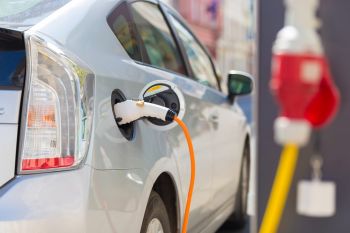 The need for more innovative and responsive solutions in the fleet management industry is particularly urgent for fleets looking to adopt EVs. The transition to EVs presents unique challenges and opportunities for fleet management. While EVs can offer significant cost savings in terms of fuel and maintenance, managing an EV fleet requires real-time telematics, charging infrastructure management, and AI-driven cost modeling to ensure uptime and financial viability. Fleet management companies that lack the necessary technology and expertise to support EV adoption are at a disadvantage.
According to a recent report by Cox Automotive1, fleet owners are increasingly interested in adopting EVs for their fleets. The report indicates that fleet owners forecast that the percentage of EVs in their fleets will grow significantly in the coming years. This trend is driven by the desire to reduce operating costs, comply with environmental regulations, and meet customer demands for sustainable practices.
 However, the report also highlights that fleet owners with experience in EVs expect more rapid growth compared to those who are new to EV adoption. This suggests that there is a learning curve associated with managing EV fleets, and fleet management companies need to be equipped with the right tools and knowledge to support this transition.
To address these challenges, fleet operators must work with trusted partners who provide an integrated AI-driven fleet platform to optimize operations and make data-driven decisions. This includes implementing predictive modeling tools to accurately forecast TCO and manage expenses effectively.
Additionally, fleet management companies need to be more proactive in delivering real-time notifications to their clients, ensuring that fleet downtime is minimized. By adopting innovative solutions and staying ahead of industry trends, fleet operators can provide the level of service that modern businesses require.
 Furthermore, fleet operators should focus on developing expertise in managing EV and mixed-fuel fleets. This includes understanding the unique challenges associated with EVs and leveraging AI to solve fleet electrification pain points. For example, fleet management providers can offer services such as charging infrastructure planning, fleet utilization analysis, and automated compliance reporting to support a seamless transition to sustainable mobility while also reducing operating costs.
Through AI-driven analytics, dynamic fleet optimization, and intelligent automation, fleet operators can bridge the gaps in today’s traditional fleet management solutions and deliver the level of service that modern businesses require. The future of fleet management lies in embracing AI, predictive cost modeling, and fleet electrification strategies to ensure that businesses can optimize their operations and achieve their goals.
About The Author
 Ian Gardner is the founder of EVAI, a cloud-based, AI enabled platform for fleet electrification and management. Utilizing specialized fleet and EV focused AI tools combined with deep operational experience in the commercial EV and fleet spaces, EVAI delivers TCO and uptime to fleet managers, enabling them to realize a positive ROI on their alternative fuel vehicle and infrastructure investments. Visit www.goev.ai.