By Jason Martinez
June 19, 2024
The evolution of internet speeds, coverage, and interconnectivity is ushering in a new era of fleet management functionality. Traditional fleet management tools allowed users to plot routes, track driving times, and otherwise monitor project outlook via physical devices plugged into each vehicle. With the advent of 5G, we’re well beyond those industry basics.
The enhanced speed and reliability of 5G allows for an expansion of fleet management telematic tools, as well as additional functionalities to make the jobs of users that much easier. 5G removes many of the barriers that made real-time fleet location and data tracking a challenging prospect.
 Real-time tracking of individual vehicles and the interconnected fleet allows for on-the-fly fleet management based on data such as weather, road conditions, shipment information, driver behavior, road infrastructure, and fuel metrics, to name just a few.
Improvements in 5G Technology
5G is the latest in mobile network technology, originally deployed in late 2018 but not reaching true market saturation until well into 2020. According to purveyors of fleet management software, 5G offers key advantages over its predecessors, including the following:
- Higher speeds, up to 100x faster than 4G;
- Low latency, reducing data transfer delay; and
- Increased capacity and bandwidth, allowing for more devices to efficiently utilize the same network.
Producers of GPS tracking technology laud the enhanced “precision and reliability” that 5G integration brings. Whereas traditional GPS tracking “can be susceptible to inaccuracies due to signal interference from physical obstructions like buildings or natural terrain,” 5G technology allows for higher frequency bands and increased bandwidth to transmit data faster and limit the impact of such obstacles.
Fleet Tracking Tools and 5G
Integration with 5G allows for the use of enhanced fleet tracking tools. 5G can, for example, be utilized to greatly improve asset tracking–a notorious blind spot in many supply chains–and update parties at various points of the supply chain. Real-time tracking utilizing fast, precise tools both improves visibility and allows for more careful expectation-setting.
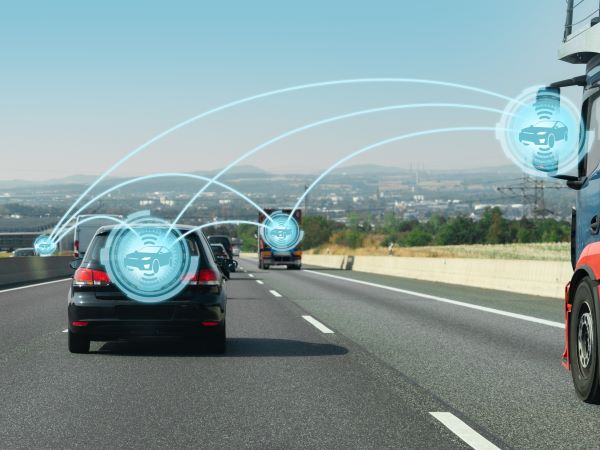 Improvements in speed and reliability allow for enhanced connectivity, allowing fleet vehicles to communicate with one another even in more remote environments or during inclement weather. Moreover, real-time data processing allows for vehicle tracking and analysis of fleet metrics on a dynamic basis, allowing fleet managers to make decisions based on the most up-to-date information possible.
5G allows enhancements in the exchange of data not only among the fleet, but also with the infrastructure at large. Low latency and high-throughput improves vehicle-to-everything (V2X) communications, connecting fleet vehicles to other vehicles on the road as well as to traffic lights, traffic signals, road signs, and other road maintenance data.
These technological improvements not only allow for more efficient fleet management–increasing productivity and reducing cost–but also serve to improve the safety of fleet operations. Operators can monitor fleet members for signs of any issues, drivers can be alerted in real-time of hazardous conditions or issues with their own vehicles, and road safety more broadly can be improved through the proliferation of road and traffic information.
5G-Empowered IoT Connectivity
5G technology makes real the prospect of integrating the Internet of Things (IoT) with fleet management. Smarter vehicles with a variety of tools sharing data with one another and providing real-time updates about each member of the fleet and the fleet as a whole.
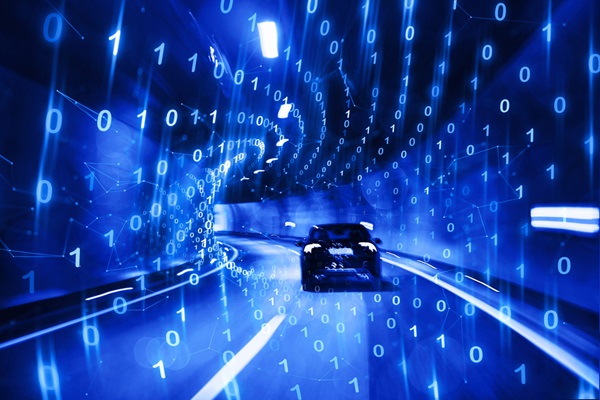 IoT connected vehicles is not a brand-new phenomenon, but increased use of 5G technology allows for an expansion of potential IoT functionalities. Developers of networking technology emphasize that data collected from IoT-connected vehicles “has the ability to increase vehicle utilization; reduce accidents; lower idle time; and improve the experience and safety of drivers, passengers, and bystanders.” Members of the fleet can share a wide range of data, including vehicle telematics (tire pressure, oil, battery runtime), average speeds, road and weather conditions, and other useful information.
By incorporating IoT solutions and equipping vehicles with 5G connection, fleet managers are no longer limited to reviewing simple location data about their vehicles. IoT sensors can transmit real-time vehicle data to fleet operators, allowing for timely intervention before safety issues arise or a vehicle must be taken out of commission. Likewise, should a driver suddenly behave erratically or show other signs of distress, operators can be notified in time for early intervention.
Future Case Uses for 5G and Fleet Management
Utilizing the power, speed, and reliability of 5G technology, combined with the crowd-sourcing nature of IoT integration, exciting things are on the horizon for fleet management. Enhanced tracking and data transfer speeds bring us one step closer to autonomous vehicles operating within fleets. Self-driving vehicles will need to rely on fast, precise, low-latency data exchanges to operate safely and efficiently.
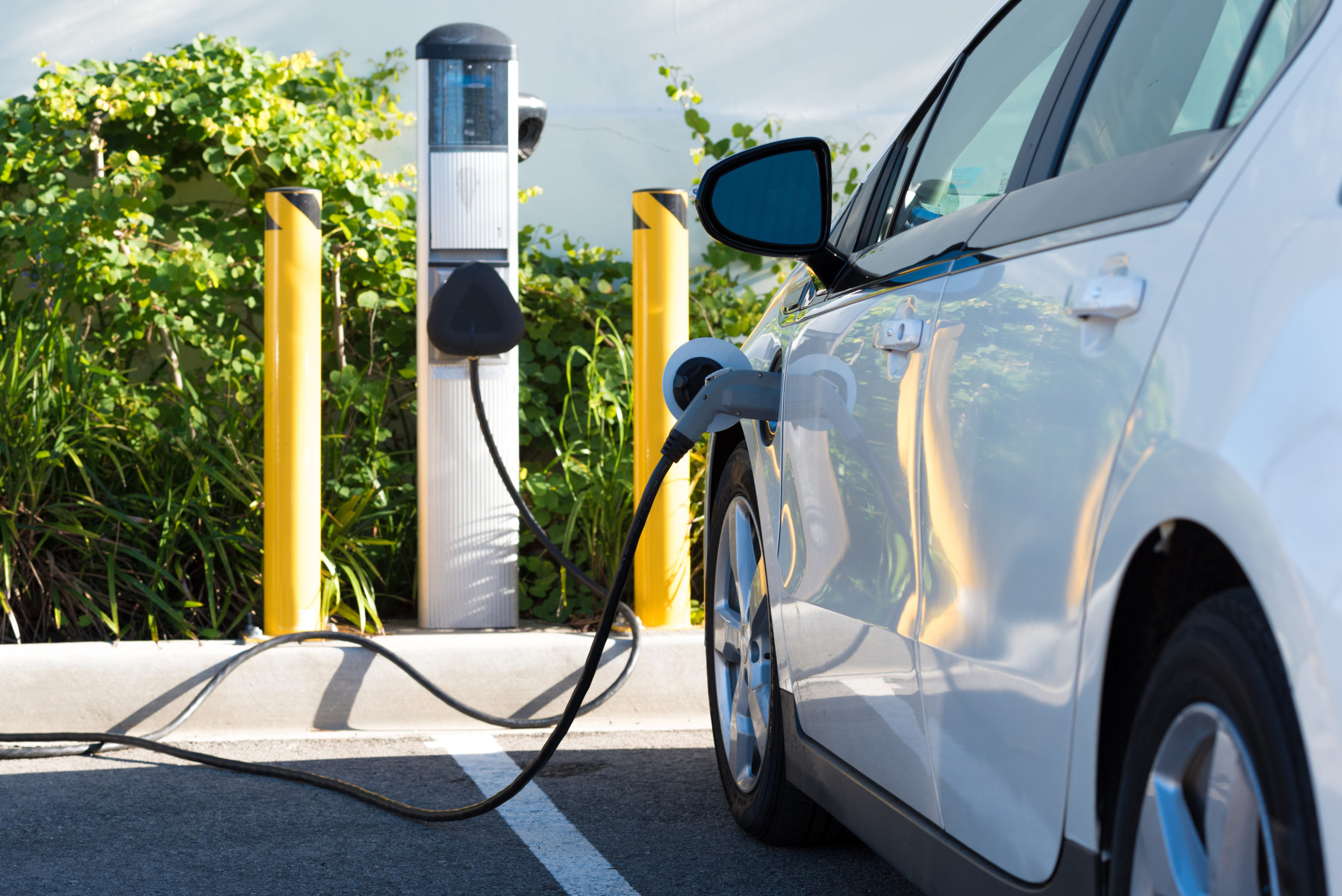 Electric vehicles already rely on more IT-based systems than their analog forebears, and expanded functionality will allow for even more safe, efficient, and affordable EV proliferation. In addition to curbing air pollution, decreasing carbon emissions, and otherwise supporting the fight against climate change, EVs offer the potential for lower operational costs in the long run as 5G and IoT technologies advance.
5G and IoT integration will also allow for more advanced route management, adjusting to things like weather, road, and vehicle conditions in real time. Fleet operators and managers can utilize updated data to make decisions on the fly, while individual vehicles can benefit from enhanced autonomous decision-making based on a wider range of available information.
Such real-time logistical adjustments can not only improve fleet efficiency through advanced tracking, but can also provide increased safety and even environmental benefits. If each vehicle on the road operates in the most efficient manner, traffic congestion can be eased, carbon emissions can be reduced, and fuel consumption can be much more effectively controlled.
 Not to mention, as the technology expands into municipal vehicles, emergency services can benefit from exact, real-time data to shorten emergency response times and limit the number of traffic accidents overall.
About the Author
Jason Martinez is a writer specializing in driver safety, frequently producing educational content for drivers, cyclists, and other victims of personal injury incidents. Jason is also a business owner who frequently writes about business strategy and marketing-related topics. In his free time, he collects sports cards of his favorite baseball players and pop culture icons.