Truemag

  • Newsletters
  • Thought Leadership
  • Mobility
  • Safety
  • Work Trucks
  • Videos
  • Home
  • Subscribe
  • Contact Us
  • Media Kit
  • Who We Are

Are the Solutions to Distracted Driving Really What We Want?

The New York Times

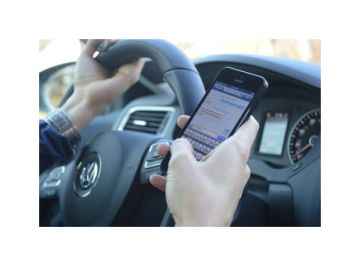
People should never text and drive. That’s the message from carmakers and governments, just like “drink responsibly” is the watchword of distillers, the fine print admonition you find in their ads near the image of the woman in a bikini scarfing cocktails at the volleyball net and inviting you to join the fun. Talk about mixed messages.

Of course people should never text and drive. Many of the suggestions offered in this debate have promise and merit. But while a lot of talk is devoted to stopping texting while driving, what’s really going on is that our automobiles and laws are changing to allow us to do just this: text while driving.

The self-driving features in today’s cars – lane-change warnings, adaptive cruise control and functions that permit the car to stop and steer for you, when you’ve failed to do one or both properly – are safety advances. But they’re also technologies that allow carmakers and technologists to bring everyone’s phone into the car even more openly as a participant in the experience, a facility they market enthusiastically, while offering – and appearing to offer – a variety of partial solutions to the hazards of distracted driving.

And the completely autonomous car is up next. The car in which you will be free to safely text, knit or read. Possibly even sleep.

Auto manufacturers and their suppliers have all come down on the side of autonomous cars, and the government regulators are in agreement. They cite efficiency, safety and other benefits, many of which will be real. But they will also be expensive.

Yet no vote has been taken, no national dialogue conducted where we discuss the course the industry is on. In coming years, America will be socializing the bill for a trillion-dollar-plus commitment to automating roads and cars. Not all, but much of the benefit will accrue to the private stakeholders who will make and program these cars, both traditional carmakers and new tech companies with interests in future vehicles, like Google and Apple.

Their business interest is obvious, but other companies are happy to see this day come, too. Americans spend billions of hours in their cars every day and this once-wasted time is being claimed by your carmaker, Internet provider and the makers of the apps you use. More time to market to you, more time for you to shop and, all the while, the data of what you do and where you go collected and monetized by someone who’s not you. To make it all happen, there will be pronouncements, laws and liability issues relitigated, or relegislated, in favor of industries. And there will be large piles of taxpayer money spent.

Would it be better spent on high-speed trains? Repairing highways, tunnels and bridges? Educating drivers better? We’ll never know, we’re too busy texting and driving.

Read the article in The New York Times

May 3, 2016Janice
Graduated Driver Licensing Laws Need to be Expanded Throughout the U.S.LeasePlan USA Invites Company Drivers to Participate in Global Survey
Recent Posts
  • IMPROVLearning: How Comedy, Behavioral Science and AI Improve Fleet Safety
  • Improving Productivity with AI: Turning Fleet Data into Faster Decisions
  • National Safety Council Projects Increased Traffic Crash Risk during Fourth of July Weekend
  • Keep Every Heavy-Duty Maintenance Inspection on Track — Free Fullbay Checklist
  • Gain Data-Driven Insights into Commercial Vehicle Market Trends at Executive Leadership Summit
  • Last Chance to Save: Register for NAFA’s Maintenance Workshop
  • License Plate Cameras Are About to Start Tracking a Lot More Than Just Your Car
  • America’s Heavy EV Problem May End with Drivers Paying More
  • Trends in U.S. Drivers’ Perceptions and Attitudes Toward Vehicle Automation, 2019–2025
  • 2026 NETS Strength IN Numbers Conference: Early Bird Rates!
ASSOCIATION NEWS
Last Chance to Save: Register for NAFA’s Maintenance Workshop
How AFLA Is Positioning Itself for the Future of Fleet Mobility
‘Raise Your Hand and Get Involved’
NAFA Names 2026 Class of Fellows, Honoring Leaders in Fleet Management
Award Winners Honored at NAFA I&E
2026 NAFA I&E Seeks to Change Perceptions, Invigorate Fleets
NAFA Announces Lineup for Media Day at I&E 2026: Industry Leaders to Showcase the Latest Innovations
TECHNOLOGY
Improving Productivity with AI: Turning Fleet Data into Faster Decisions
Fleet Operations Are Changing – The Industry Needs to Evolve With Them
AI-Powered Vehicle Inspections Move Beyond the Checklist
Motive’s New Workforce Capabilities Aim to Improve Performance, Automate Rewards
AI + Human Insight: Why Fleet Leaders Need Both to Win in 2026
NTSB Finds Automation Overreliance Contributed to Two Fatal Ford BlueCruise Crashes
New AI Assistants Automate Fleet Data Analysis, Decision Making and More
CONFERENCES & WEBINARS
2026 NETS Strength IN Numbers Conference: Early Bird Rates!
AFLA 2026 – Keynotes Announced!
Private Fleets Flex at National Private Truck Council Conference
Free NAFA Webinar: Manage Your Fuel Cost Volatility
Registration Now Open for NETS Annual Conference
Early Bird Pricing for AFLA 2026 – Ending June 1
NAFA Online Seminar: Essentials of Fleet Management
INDUSTRY ANNOUNCEMENTS
Union Leasing Becomes Moventum Fleet Management as 70-Year Company Accelerates into Next Phase
Fleetio Wins Innovations Award at NAFA’s 2026 Institute & Expo
WIFM is heading to NAFA!
Cox Automotive Unveils Cox Fleet, Setting a New Standard for Fleet Uptime Nationwide
AFLA Canadian Fleet Professional of the Year Award: Nominations Open!
NAFA Webinar: Kickoff the 2026 100 Best Fleets Contest on December 4!
Join NAFA’s Free Fleet 101 Live Course

Fleet Management Weekly Newsletter Archive
Access to back issues of the FMW newsletter.

FMW Mobility
How mobility is rapidly changing the fleet management landscape.

Newsletter

Subscribe

FMW Fleet Videos
Video clips of industry leaders speaking on a variety of engaging hot topics in fleet.

2014-2020 © Fleet Management Weekly