|
|
 |
U.S. Senator John Cornyn (R-TX) introduced the Need for Speed Act, a new bill aimed at improving traffic management, particularly during emergencies. The proposal would develop a national infrastructure intelligence tool to enhance interstate coordination and keep traffic moving by identifying bottlenecks and other roadway obstacles.
The national infrastructure intelligence tool would integrate data into a single platform, enabling the USDOT, states, and local agencies to coordinate more effectively during emergencies. The bill also aims to strengthen national security and improve U.S. competitiveness.
Some of the datasets the tool would use include highway performance monitoring systems, commodity data, truck parking demand, and urban congestion reporting.
via Autoblog
|
If you thought gas prices were painful last month, despite being close to their lowest in years, you might want to brace yourself for your next fill.
Drivers across the US are seeing pump numbers rocket upward again, and one Los Angeles station has pushed things into full shock territory with a jaw-dropping price of $8.21 per gallon.
Suddenly, that weekend road trip in your V8 doesn’t sound quite as relaxing, and a Prius, an EV, or just plain old walking, looks mighty appealing. According to new data, US gas prices have jumped $0.50 on average in the past week.
via CarScoops
|
Toyota, Hyundai, and several Chinese automakers could feel the effects of the escalating conflict involving the United States, Israel, and Iran sooner rather than later.
Analysts from the investment firm Bernstein warn that the situation could affect everything from regional vehicle sales to global supply chains and fuel prices. On top of that, instability around key shipping routes and oil infrastructure could ripple through the global auto industry, potentially having similar economic repercussions to those of the 1970s oil crisis.
Chinese automakers may have an especially tough time, as Iran was responsible for roughly 17% of China’s vehicle exports in 2025, equivalent to about 266,000 vehicles. A prolonged conflict could therefore affect international sales.
via Autoblog
|
Automakers have been touting that EVs have a lower total cost of ownership for some time. Now, a new study from consulting firm EY and Eurelectric, a trade association for Europe’s electricity industry, makes it hard for bean counters to ignore the savings of going electric.
The study argues that switching a corporate fleet from gas to electric could cut total vehicle operating costs by as much as 50%. That’s thanks to cheaper energy costs (versus gasoline), lower maintenance requirements, and various regulatory perks that favor EVs as a whole. In fact, the report finds that companies that move from diesel to battery-electric vans can achieve cost savings between 15% and 40%.
The economics of EV ownership makes a lot of sense. It’s not a political issue or preference when it comes to businesses.
via Electrek
|
|
|
|
|

By Elizabeth Wills, Senior Vice President of Client Services, Wheels
As the first quarter of 2026 ends, this is a perfect time to hit pause, not just to review numbers, but to celebrate progress, learn from challenges, and refresh your focus for what’s ahead.
By now, most organizations have a clear picture of how 2025 finished, and many fleet teams began setting the stage for 2026 well before the calendar turned. Early planning often creates momentum, alignment, and fewer surprises as the year unfolds.
If that groundwork is already in place, this is the time to pressure-test plans and sharpen execution. If it isn’t, remember that it’s not too late. The first quarter still offers a powerful opportunity to build structure that drives results for the remainder of the year.
READ MORE
|
|
By Ed Pierce, Fleet Brand Acceleration
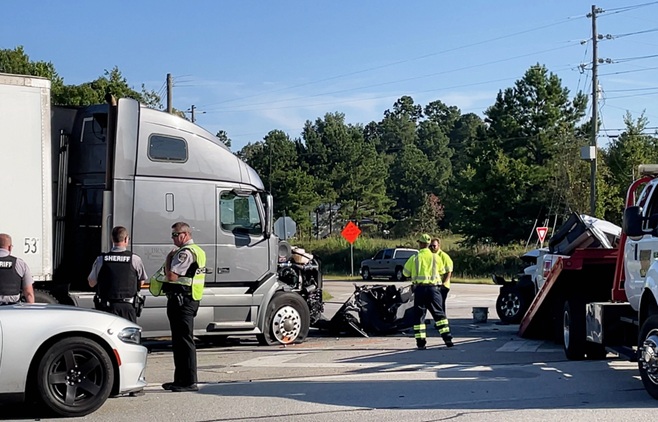
FMCSA’s recent crackdown on questionable CDL training schools stands out as one of the most significant changes to the driver pipeline in years—and one that deserves close attention from corporate and commercial fleet operators.
In February 2026, FMCSA intensified its campaign against so-called “CDL mills,” issuing proposed removals for hundreds of commercial driver training providers.
When combined with a major purge in late 2025, nearly half of all schools once listed on the national Training Provider Registry have been removed or placed on notice for noncompliance.
READ MORE
|
|
By Tod Trousdell, Fleet Marketing Consultant and Owner, RobertsTrousdell Communications
Perhaps as much as any year since Covid first made an appearance, as attendees filed out of the 2020 Work Truck Week conference, there are a mountain of questions swirling around fleet and trucking.
And with the 2026 version of the industry’s premiere event – Work Truck Week – set to take place March 10-13 in Indianapolis, there’s no shortage of folks looking for clarity on these looming questions.
According to Work Truck Week organizers, this year’s show will be even bigger and better. Space on the show floor is at a premium – even long-time exhibitors can’t move into a bigger space. This is obviously a sign of the show’s popularity.
READ MORE
|
|
|
|