By Ed Pierce, Fleet Brand Acceleration
March 4, 2026
Fleet managers live in a world of constant change. Regulations evolve. Markets shift. Labor challenges never seem to let up. Still, the Federal Motor Carrier Safety Administration’s (FMCSA) recent crackdown on questionable CDL training schools stands out as one of the most significant changes to the driver pipeline in years—and one that deserves close attention from corporate and commercial fleet operators.
 In February 2026, FMCSA intensified its campaign against so-called “CDL mills,” issuing proposed removals for hundreds of commercial driver training providers. When combined with a major purge in late 2025, nearly half of all schools once listed on the national Training Provider Registry have been removed or placed on notice for noncompliance.
The objective is straightforward: eliminate fraudulent and substandard training programs and ensure that new commercial drivers enter the workforce with the skills needed to operate safely. For fleets, however, the reality is more nuanced. The crackdown creates near-term challenges—but also lays the groundwork for meaningful long-term improvements.
Here’s what fleet operators should expect, and how they can prepare.
Why This Crackdown Matters to Fleets
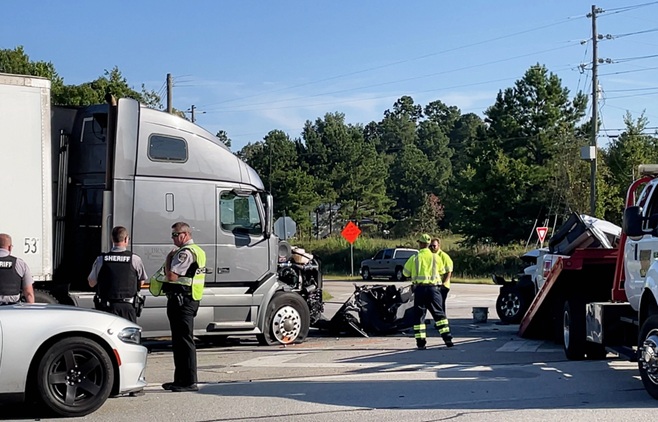
 FMCSA’s enforcement actions target training providers that falsified Entry-Level Driver Training (ELDT) records, used unqualified instructors, omitted required behind-the-wheel training, or otherwise failed to meet federal standards. These practices have been linked to serious safety risks and, in some cases, fatal crashes involving poorly trained drivers.
At the same time, thousands of drivers have recently been removed from service for failing to meet English-language proficiency requirements, further tightening the labor pool. For fleets that depend on a steady stream of new CDL drivers, these developments directly affect hiring, onboarding, and long-term workforce planning.
Short-Term Challenges Fleets May Experience
Tighter driver supply is the most immediate issue. With fewer approved training providers in operation, the number of newly licensed drivers entering the market is likely to slow, and fleets may see longer time-to-hire for entry-level positions. Recruiting and wage pressure are also likely to rise as tighter supply drives greater competition and higher starting wages, sign-on bonuses, and recruiting expenses.
 Fleets may also encounter longer onboarding timelines as they add steps to verify training records and ELDT compliance. In addition, utilization and growth constraints may emerge if driver availability lags behind equipment purchases, resulting in idle assets or delayed expansion plans.
How Fleet Operators Can Overcome Near-Term Impacts
Fleet managers can respond by building stronger relationships with reputable, compliant CDL schools and establishing preferred partnerships. Some fleets are reserving training capacity or creating direct pipelines with specific providers. Larger fleets may benefit from developing or expanding internal CDL training programs, while mid-sized fleets can explore co-sponsored or hybrid arrangements with accredited schools. Hiring and compliance processes should be tightened to ensure that every new hire’s ELDT records are complete, verified, and traceable to an approved provider, reducing audit risk and hiring delays.
 Retention becomes even more critical. Competitive compensation, predictable schedules, career development opportunities, and a strong safety culture help keep experienced drivers on board. Finally, fleets should align equipment planning with labor realities by coordinating vehicle acquisition and deployment with realistic expectations for driver availability.
The Long-Term Benefits for Fleet Operations
While the short-term environment may feel restrictive, the long-term outlook is encouraging. More drivers will come from legitimate, standardized training programs, leading to better-prepared drivers and improved safety performance. Fleets can expect fewer preventable accidents, lower CSA scores, and reduced equipment damage.
Over time, hidden operational costs may decline through fewer legal claims, less downtime, and potentially more stable insurance costs. The workforce itself should become more professionalized, benefiting fleets with a stronger, more credible driver labor pool.
What This Means Strategically
 This is not a temporary enforcement cycle—it marks a structural shift in how drivers enter the industry. Fleets that act early to secure compliant training channels and strengthen workforce strategies will be better positioned than those that wait. Many forward-thinking operators are already reframing the situation as an opportunity to gain greater control over driver quality, safety outcomes, and long-term workforce stability.
Recommended Actions for Fleet Managers
 Audit driver onboarding and ELDT verification procedures. Identify and partner with reputable CDL training providers. Explore in-house or co-sponsored training options. Reforecast recruiting and labor budgets. Strengthen driver retention programs. Coordinate equipment acquisition with realistic hiring capacity.
Bottom Line
The FMCSA’s crackdown on substandard CDL training providers may tighten the labor market in the short term, but it also sets the stage for a safer, more capable driver workforce. Fleets that invest now in compliant training partnerships, disciplined hiring processes, and strong retention strategies will not only weather the transition—they will emerge stronger and more competitive in the years ahead.
 About the author
Fleet marketing expert and consultant Ed Pierce is an editor at Fleet Management Weekly. He can be reached at 484-957-1246 or [email protected].