By Ed Pierce, Contributing Editor
April 29, 2026
Fleet managers have never had more information at their fingertips, yet many would say it’s never been less clear. Telematics platforms send a constant stream of information about vehicles, drivers, and operations. However, one of the fleet industry’s biggest challenges remains turning that data into actionable insights.
Holman’s new Telematics Preferred Integration Network (TPIN) is designed to fill that gap. It doesn’t add more data; it makes the data that is already there work together.
The Real Problem Isn’t Data – It’s Fragmentation
Telematics is widely used in today’s fleet environment. Holman, on the other hand, says the real problem isn’t getting to telematics; it’s what happens to the data after it’s generated. Most fleets work with a mix of systems, in which maintenance, lifecycle, fuel, safety, and telematics data are stored in different places and often managed by different people.
This fragmentation makes it hard to see what happens over a vehicle’s life. Fleet operators might see individual metrics such as a vehicle’s location, maintenance events, or fuel costs, but they won’t be able to see how these factors work together. Holman says this leads to “siloed or fragmented” data that makes it hard to see the whole picture and harder to make decisions.
Holman’s TPIN program was created to eliminate those silos by consolidating all telematics and other operational data for the fleet on a single platform. The goal is not just to bring data together, but to truly integrate it so fleets can view performance as a whole and make faster, better decisions.

How TPIN Changes the Flow of Data
A technical change in how telematics data is handled is at the heart of TPIN. TPIN establishes a standard framework that enables data from multiple telematics service providers to flow directly into Holman’s centralized data warehouse.
This method places strong emphasis on consistency. Holman works with telematics partners to ensure that data protocols are consistent across the board. This means data is normalized before it enters the system. The result is a cleaner, more scalable integration model that doesn’t require fleets to manually combine or transform data from different sources.
The real-world impact on fleet managers is significant. Instead of dealing with multiple integrations or, even worse, exporting and combining data by hand, TPIN gives you a single dataset you can start analyzing right away on Holman’s platform.
A Structural Change in Integration Strategy Beyond APIs
Many telematics companies already offer API-based integrations, but TPIN represents a shift in how things are done. Traditional integrations typically connect one point to another and are often tailored to each fleet or provider. As fleets grow or adopt new technologies, these integrations can be fragile, unreliable, and hard to scale.
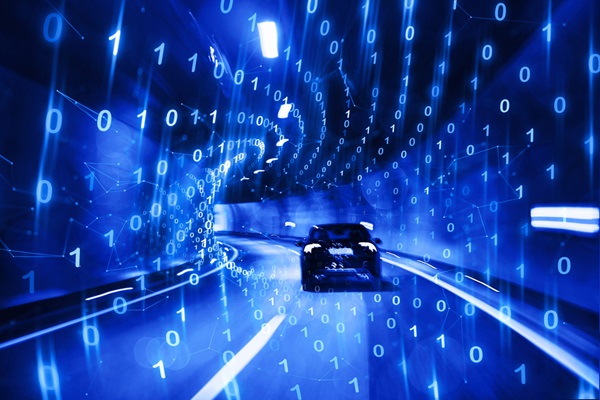 TPIN, on the other hand, works with various TSPs to ensure their data is transmitted to Holman in a consistent and standardized format. This makes things easier for fleets and speeds up the process of bringing on new partners and capabilities.
More importantly, it changes the value proposition from “access to data” to “use of data.” TPIN does more than move data between systems; it ensures the data is aligned, consistent, and ready to provide insights.
How to Make Telematics Data Useful
It only makes sense to centralize telematics data if it helps you make better decisions. This is where TPIN’s bigger effect starts to show. Fleets can get information that would be hard, if not impossible, to find on their own by combining telematics with data on maintenance, lifecycle, fuel, and drivers.
Holman points out a few high-value use cases that come from this unified approach:
- Getting a more accurate picture of downtime to make operations run more smoothly
- Making fleets the right size based on how they are actually used
- Understanding how drivers’ behavior affects the total cost of ownership
- Identifying possible fuel fraud or waste
- Linking maintenance events to how the vehicle is used and the conditions it is in in the real world
From Seeing to Doing
Fleet managers often struggle to translate data visibility into operational improvements. Telematics platforms are great at showing what’s going on, but they don’t always explain why or what to do next.
 Holman stresses that technology by itself isn’t the answer. The speed with which organizations analyze data and make changes determines success. TPIN is especially important here because it accelerates the process of turning insights into action.
TPIN helps Holman provide better recommendations by consolidating data in one place and adding context. This includes identifying the root causes of inefficiencies, ensuring decisions are consistent across all phases of the lifecycle, and helping businesses develop plans that will actually work to improve performance.
In a way, TPIN turns telematics from a way to keep an eye on things into a way to help make decisions.
What Results Can Fleets Expect?
The integrated nature of TPIN puts organizations in a strong position to achieve measurable improvements across several important areas, though results will vary by fleet.
- Less time spent with vehicles that are not working because problems are found sooner
- Service decisions that are better informed lead to lower maintenance costs.
- Better fuel economy thanks to insights into behavior and use
- Better safety results thanks to combined driver performance data
- Better use of assets and better fleet size
These improvements don’t come from new data sources; they come from better use of the data we already have. This underscores the importance of integration over expansion.
Who Gets the Most Out of TPIN?
 TPIN can be useful for many types of fleets, but it has the greatest impact in hard-to-manage environments. The biggest benefits will go to large enterprise fleets, service fleets with high usage variation, and companies that operate in more than one region.
Data fragmentation is usually the biggest problem for these fleets, making them ideal candidates for a unified data platform. Even smaller fleets can make big improvements by making it easier to see what’s going on and make decisions.
Why Motive Was the First Partner
Holman’s decision to start TPIN with Motive as its first integrated partner is based on market demand and strategic fit.
 Motive is widely used in the industry, and many Holman customers already use its telematics platform. Holman delivered significant value to its customers right away by adding Motive to TPIN at launch.
The partnership also illustrates how the TPIN model works as a whole: it’s a flexible ecosystem where the telematics providers can connect to a central platform to gain better insights without fleets having to switch vendors.
Keeping Data Safe on a Large Scale
As integration networks grow, it’s increasingly important to keep data secure and accurate. Holman addresses this by using a mix of standardized data requirements, quality-assurance checks, and strict security rules.
 Before joining TPIN, each telematics service provider must meet specific data standards. This ensures that the network remains consistent. Continuous QA processes help keep data reliable, and security measures ensure that sensitive information remains secure throughout the integration process.
This focus on data governance is essential for maintaining trust and usability as the ecosystem grows.
The Future: Growing the TPIN Ecosystem
Holman has made it clear that this is just the start of TPIN. The company plans to add more telematics providers to the network and may also introduce new data sources and advanced analytics capabilities.
The goal is to continue making fleet customers more flexible and valuable while also making it easier to see how the fleet is performing across all areas.
A Change in Fleet Operations Over Five Years
 Unified data platforms like TPIN will transform how fleets operate. Over the next five years, integrating telematics and operational data is likely to yield significant improvements in predictive maintenance, driver safety, asset utilization, and lifecycle management.
Fleets will stop managing things reactively and start using predictive and prescriptive models, in which decisions are based on complete, real-time information. Being able to connect data between systems will set companies apart from their competitors and help them work more efficiently and strategically.
A Last Piece of Advice for Fleet Managers
Holman offers fleet managers who want to get the most out of telematics today clear advice: set goals before you start.
Telematics programs are often put in place with vague goals like “improving efficiency” or “reducing costs” and with no clear metrics or action plans. Holman says you should set clear, measurable goals and write down the steps you need to take to reach them.
 Fleets can build momentum, find new ways to use their telematics investments, and continue to add value as long as they have clear goals. Holman says that being too comfortable can be worse than making changes, and fleets that are open to integration and action will have the best chance of success.
TPIN is more about change than technology. It means moving from separate pieces of information to a single source of intelligence and from passive monitoring to active management. That change may be the most useful piece of information for fleet managers who have to deal with an ever-more complicated world.
To find out more about Holman’s TPIN and other fleet solutions, click here.
 About the author
Fleet marketing expert and consultant Ed Pierce is an editor at Fleet Management Weekly. He can be reached at 484-957-1246 or [email protected].