By Ed Pierce, Editor, Fleet Management Weekly
July 30, 2025
This article — the latest in our Fleetology series — reflects a collaborative effort by Fleet Management Weekly and FleetWiki, the fleet industry’s foremost knowledge base of fleet-related technologies.
The commercial transport industry faces increasing pressure to improve efficiency, lower emissions, and cut operational costs. Fuel-saving technologies—many of which have become more advanced and widely available in recent years—are at the forefront of this effort for both small and large fleets.
This comprehensive report offers fleet managers the latest, field-proven insights and recommendations (as of 2025) on the most effective fuel-saving solutions available today, updating and expanding previous guidance across nine key technology categories.
- Low Rolling Resistance (LRR) Tires
How They Work:
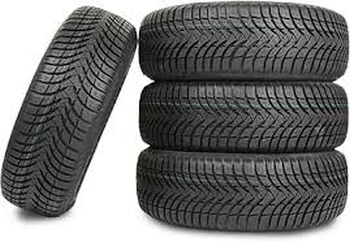 LRR tires are designed to reduce the amount of energy lost as heat when they roll under load. Improvements in tread compounds and tire design lower the rolling resistance coefficient, which directly boosts fuel efficiency (mpg) across all truck types.
Latest Developments:
- New tire compounds, including those using advanced silica blends and alternative oils, further reduce rolling resistance without sacrificing durability or wet traction.
- EPA SmartWay-verified tires dominate the market, with each major brand offering LRR options for nearly every application. Notable launches for 2025 include Bridgestone’s R273 Ecopia, Goodyear’s RangeMax RSD EV (compatible with electric, diesel, and gas trucks), and Continental’s new rolling-resistance-optimized truck tires.
- LRR tires are commonly specified on new trucks to help OEMs meet stricter GHG Phase 2 emissions standards.
Results and ROI:
- Fuel savings: 3–6% increase in mpg over standard tires, depending on implementation and route mix.
- The lifetime cost per mile is usually lower, despite a slight decrease in tread life, because of better fuel efficiency and retreadability.
- The worldwide LRR tire market continues to grow strongly, showing widespread adoption of industry best practices.
Considerations:
- Some LRR tires might have slightly less tread depth, which can lead to shorter overall mileage.
- Smart maintenance is essential: regular inspections and alignments ensure optimal performance and compliance with DOT tire safety regulations.
-
Nitrogen-Inflated Tires
 How They Work:
Nitrogen molecules are less permeable than oxygen, so tires filled with nitrogen retain proper pressure longer. Stable pressure reduces rolling resistance, which in turn decreases tire wear and improves fuel efficiency.
Latest Fleet Research:
- Nitrogen inflation improves pressure retention over air, leading to more consistent tire performance and fewer leak-related failures.
- Properly inflated tires can boost fuel efficiency by up to 10%, directly affecting operating costs and tire lifespan, especially in long-haul operations.
Additional Benefits:
- Extended tire lifespan and improved safety (fewer blowouts and failures).
- Minor environmental benefits from less tire debris and lower emissions due to better rolling efficiency.
Considerations:
- The initial setup cost for fleet-level nitrogen inflation equipment or contracts should be balanced against long-term savings.
- The best ROI is achieved through regular tire audits and inspections.
-
Automatic Tire Inflation Systems (ATIS)
How They Work:
 ATIS automatically monitors and adjusts tire pressure during operation, counteracting gradual leaks and pressure changes caused by temperature fluctuations.
Market & Technology Trends:
- The ATIS market is growing rapidly (projected $4.2B globally by 2035), driven by demands for fuel efficiency, uptime, and tire longevity.
- Modern systems include IoT connectivity and predictive maintenance analytics, optimizing fleet operations.
- OEM integration rates are rising, and trailer-based ATIS is becoming standard.
Field-Proven Results:
- Reduction in tire-related breakdowns and maintenance labor.
- Fuel savings: up to 1.4% per fleet reported; tire life extension is often 10–15% or more due to consistent inflation.
-
Reflective Reefers
How They Work:
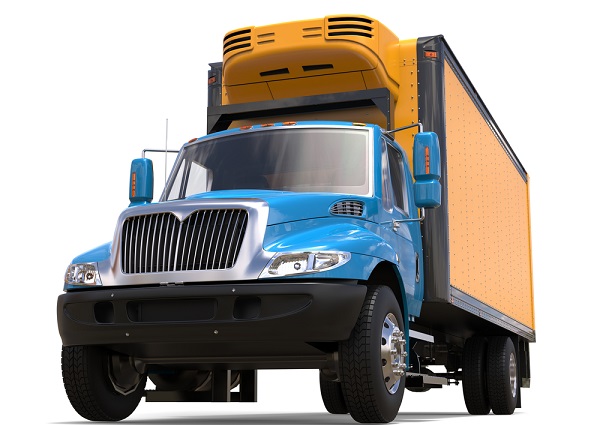 Refrigerated trailer roofs with highly reflective coatings, also known as “cool roofs,” reflect solar heat, thereby lowering interior trailer temperatures despite outside conditions.
Latest Impact Data:
- Reflective coatings can lower trailer roof temperatures by up to 30% compared with standard roofs.
- Refrigeration unit fuel consumption drops by up to 15% as the reefer works less to maintain cargo temperatures.
- Reported fuel savings in real operations range between 10% and 15%, with corresponding reductions in CO2 emissions.
Sustainability and Regulatory Trends:
- Investments in reflective reefer containers directly address ESG (environmental, social, and governance) criteria.
- Reducing reefer energy demand gives operators an edge as emissions reporting becomes more rigorous.
-
Reusable Oil Filters
How They Work:
 Unlike disposable oil filters, reusable oil filters are built to be cleaned and reused over a vehicle’s lifetime. They use durable, cleanable media—often stainless-steel wire cloth.
Key Benefits:
- Significant reduction in landfill waste and hazardous materials exposure.
- Advanced filters can enable longer oil drain intervals—fleet studies show intervals safely doubled, resulting in decreased oil and filter change frequency, labor hours, and costs.
- Improved engine protection and reliability (better filtration efficiency, less engine wear).
ROI and Adoption:
- Reusable filters cost more initially ($80–$200) but provide savings over many years on filter replacements and waste disposal, especially for large fleets.
- Cleaning is performed at each oil change using dedicated equipment or manual procedures.
Considerations:
- Not all reusable filters are compatible with all engine types—check compatibility.
- Strict adherence to filter cleaning schedules and practices is essential for reliability and warranty compliance.
-
Automatic Engine Start-Stop Controls
How They Work:
 Start-stop technology automatically turns off the engine when the vehicle is idling (such as at stops or loading docks), then restarts it when necessary, reducing fuel consumption and emissions.
Adoption and Benefits:
- Commonplace in light-duty and Class 5-7 trucks, increasingly standard in heavy-duty urban delivery and regional fleets.
- Fuel savings: 4–10% in urban stop-and-go operations; 3–8% net CO2 reduction over mixed cycles.
- Reduced engine hours and maintenance; avoids unnecessary idling, which is otherwise a source of zero-mpg fuel burn.
Current Market Outlook:
- The global start-stop system market is growing at >14% CAGR, with innovations in batteries (AGM, EFB) and integration with hybrid systems.
- Some regulatory incentive uncertainty exists (as seen in the recent EPA review in the U.S.), but a robust efficiency and sustainability case remains.
-
Tractor/Trailer Aerodynamics
How They Work:
 Aerodynamic devices reduce wind resistance by smoothing airflow around the cab, between the tractor and trailer, along the trailer sides, and off the trailer rear.
Technologies Include:
- Roof fairings, cab extenders, and aerodynamic bumpers for tractors.
- Trailer skirts, wheel covers, and “boat tail” fairings for trailers.
- Gap reducers and underbody devices for system-wide wind reduction.
Demonstrated Results:
- Combined aerodynamic technologies can boost fuel efficiency by 4–12% or more, depending on the combination of devices and route characteristics.
- ROI is typically achieved within 12–24 months; leading-edge upgrades (e.g., TRANSTEX BIN V-rated skirt sets) are raising industry standards.
- Trucks equipped with optimized aerodynamics can achieve over 10 mpg in long-haul applications.
Industry Recommendations:
- Every fleet should establish a baseline of its current equipment and develop a phased plan to implement cost-effective aerodynamic improvements.
- Compliance with EPA GHG rules is simplified when utilizing the latest, SmartWay-verified aerodynamic packages.
-
Low-Viscosity Lubricants
How They Work:
 Low-viscosity engine and driveline lubricants, often synthetic, decrease internal friction, which improves engine, transmission, and driveline efficiency.
Efficiency Data:
- Fuel savings: 0.5–1.5% when switching from 15W-40 to 5W/10W-30 engine oil or FA-4 variants on compatible engines.
- Synthetic lubricants in transmissions and axles provide seasonal (up to 2%) gains, with elevated wintertime benefits due to stable viscosity at low temperatures.
- Emissions reductions and engine longevity further boost ROI over the vehicle’s life.
Adoption Guidance:
- Most major engine OEMs approve lower-viscosity oils for new and in-warranty vehicles; always confirm compliance with the manufacturer’s specifications.
- The FA-4 oil specification further future-proofs against evolving efficiency and emissions standards.
-
Weight-Reduction Technologies
How They Work:
 Reducing truck or trailer weight (lightweighting) lowers the energy needed for movement; methods involve replacing traditional steel with high-strength, lightweight materials like aluminum and composites in frames, suspensions, wheels, and other parts.
Industry Trends:
- Modern lightweighting is expected to achieve a 4–8% weight reduction per vehicle by 2025, with a 10–15% increase targeted by 2030 through multi-material approaches.
- Case studies: Major fleets achieve 2,000–4,000 lbs. weight savings per vehicle, directly increasing payload capacity for bulk haulers and reducing fuel use proportionally.
- A new focus on lightweighting is being driven by the needs of electric and hydrogen trucks, but legacy fleets stand to benefit from improvements in cost, range, and durability.
ROI Calculation:
- A 10% reduction in vehicle mass correlates with up to 5% lower fuel consumption.
- The cost per pound saved is falling as material innovation and manufacturing scale up.
Conclusion & Recommendations
Integrated Approach:
No single fuel-saving technology offers a quick fix; the best results come from comprehensive upgrades. LRR tires, aerodynamic devices, advanced lubricants, and modern tire and filtration management systems should be incorporated into procurement, maintenance, and driver training programs.
2025 Best Practices:
- Audit current fleet technology and develop a multi-year plan for upgrades.
- Utilize telematics and analytics to track results and inform future investments.
- Stay informed about regulatory and incentive changes that affect the adoption of new technology.
 Environmental and Business Impact:
The reviewed technologies not only cut fuel costs—often saving thousands annually per vehicle—but also help reduce emissions and support sustainability goals that are increasingly vital in today’s logistics industry.
By adopting these proven, scalable technologies, commercial and corporate fleet managers can gain both short-term and long-term benefits, achieve operational excellence, and support industry leadership in the shift to sustainable transportation.
Our Findings
All findings and recommendations are based on the latest field data, new technology launches, and industry reports as of July 2025. For more details and implementation guidance, contact your equipment suppliers or a certified fleet technology consultant.
 This Fleetology column is supported by the Fleet Management Weekly and the FleetWiki experts. What topics are on your mind? We’re always looking for ideas from fleet professionals. Reach out to Ed Pierce at (484) 957-1246 or [email protected] with any questions or comments.