
By Ted Roberts, Publisher, Fleet Management Weekly
June 17, 2026
As the fleet industry continues to evolve, the Automotive Fleet Leasing Association (AFLA) is focused on strengthening its role as a collaborative community and expanding its relevance to a broader range of mobility professionals.
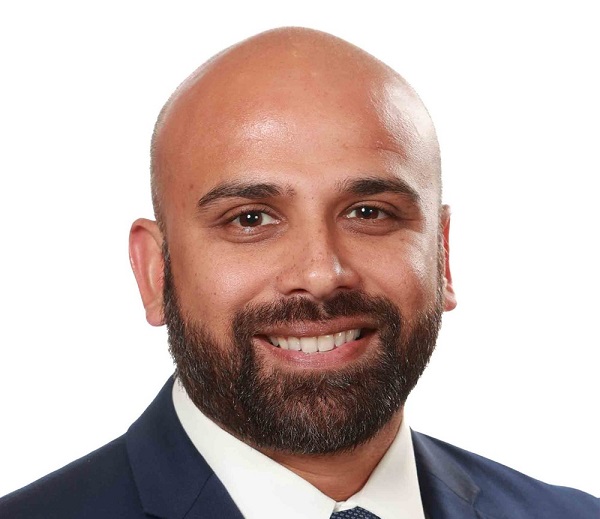
AFLA President Suresh Rajapakse
According to AFLA President Suresh Rajapakse, the organization’s greatest strength remains its strong relationships and members’ willingness to openly share knowledge and best practices.
“AFLA is an organization where relationships genuinely matter,” said Rajapakse. “The level of candor, collaboration, and willingness to share ideas among competitors and partners is hard to replicate.”
As fleet operations become increasingly complex, Rajapakse believes AFLA has an opportunity to broaden its focus beyond traditional fleet management topics. Electrification, sustainability, data analytics, and the expanding definition of mobility are becoming increasingly important to members and the organizations they serve.
Adapting to Industry Change
Rajapakse believes several major trends will shape both AFLA’s future and the fleet industry, but none more so than the increasing rate of change across AI, technology, and digitalization. “The pace of innovation is accelerating faster than at any point in our industry’s history, and it’s reshaping how fleet organizations operate, make decisions, and deliver value to their clients,” he said. From connected vehicles to predictive analytics to automated processes, these advancements are redefining what’s possible and raising the bar for fleet partners everywhere.
 Beyond technology, vehicle electrification and sustainability initiatives continue to be a major force, extending far beyond the vehicles themselves. Infrastructure development, total cost of ownership considerations, and evolving regulatory requirements are creating new challenges for fleet organizations worldwide.
Rajapakse also points to the growing importance of data. “Clients expect greater transparency, more insights, and predictive capabilities from their fleet partners.”
Global complexity remains an ongoing challenge. Supply chain disruptions, geopolitical uncertainty, and regional compliance requirements continue to add layers of complexity for organizations operating across multiple markets.
Building the Next Generation of Fleet Leaders
 One of Rajapakse’s priorities is to ensure AFLA remains relevant and accessible to emerging professionals. He believes newer members to the fleet community need opportunities to learn, contribute, and build meaningful industry relationships early in their careers.
“The more targeted our programming, mentorship opportunities, and forums for engagement are, the more we can differentiate AFLA,” he said.
Rajapakse also sees value in expanding engagement beyond the annual conference through virtual programming, regional events, and year-round touchpoints to help members stay connected.
Encouraging Greater Member Participation

2025 AFLA Conference
For members interested in getting more involved, Rajapakse’s advice is straightforward: “Raise your hand and get involved.”
He noted that AFLA offers numerous opportunities to participate through committees, conference panels, and content development initiatives. “The more you invest in the community, the more you get back,” said Rajapakse. “Many of AFLA’s most valuable benefits come from the relationships and conversations that happen outside the formal sessions.”
Defining Success During His Presidency
Rajapakse measures success by whether AFLA emerges stronger and better positioned for the future.
His priorities include:
- Increasing member engagement.
- Expanding and diversifying membership.
- Ensuring programming reflects where the industry is headed.
- Strengthening the sense of community among members.
“I want members to feel more connected, more supported, and more inspired to participate.”
Expanding Sponsor Partnerships
Rajapakse views sponsors as essential partners in the AFLA ecosystem and sees opportunities to deepen those relationships.
Beyond traditional event sponsorships, he believes collaborative thought leadership initiatives and industry forums can deliver value to both sponsors and members. “The goal is to build partnerships that advance the industry while delivering value for everyone involved.”
Preserving AFLA’s Culture
 Looking ahead, Rajapakse hopes to reinforce a culture that is inclusive, forward-looking, and deeply member focused.
While encouraging innovation and openness to new ideas, he believes AFLA’s long-term success will continue to depend on the relationships and trust that have defined the association for decades. “If we continue to evolve while staying grounded in what makes AFLA special, I’m confident the organization will remain highly relevant and impactful for years to come,” he added.
Personal Impact
 Rajapakse says his involvement with AFLA has been invaluable, both personally and professionally. Participation in the association has given him access to an extensive network of industry leaders and exposed him to a wide range of perspectives and business models.
“It has helped shape how I think about leadership,” he said. “Being involved with AFLA has made me a better, more well-rounded commercial leader.” Just as importantly, Rajapakse says his experience has reinforced the need to give back to the fleet community. “Helping contribute to the growth of the industry has been tremendously rewarding.”
To learn how AFLA can help you enhance your fleet career, click here.