By Ed Pierce, FMW Brand Acceleration
April 17, 2024
The digital revolution is changing the way fleet customers expect to interact with fleet providers. Digital tools and an app-based economy are setting the expectation to have an Amazon-like level of visibility and predictability about their fleet vehicles. Yet to achieve such clarity, Fleet Management Companies (FMCs) will need to adapt. Digitizing and reimagining the way fleet companies work will create a better client experience and a more efficient operating model for FMCs. Many fleets are hard pressed to keep up with and navigate these new technologies, but fortunately, companies like Ridecell can help them effectively modernize their systems.
 Leading the way in how fleet providers are reimagining their businesses, Ridecell allows fleets to get more out of their connected vehicles and management systems. With an orchestration platform built especially for fleets, Ridecell is helping fleets transform their businesses from the inside out. By using the company’s flagship solution, Fleet Transformation Cloud, fleet leaders can create a blueprint of the entire process flow from vehicle purchase to remarketing, across all geographies and lines of business. The result is a user experience that’s easy, helpful, and intuitive.
Integrating Systems and Vendors
Ridecell’s Operations 360 offering is a solution that integrates an FMCs’ internal IT systems and multiple partner and vendor systems together to connect the business-critical information from each system. As part of Ridecell’s Fleet Transformation Cloud, Operations 360 leverages automated discovery to create blueprints of the entire vehicle lifecycle flow, from vehicle purchase, upfitting, and onboarding, to vehicle remarketing. Not only does this give fleet managers the ability to know where their vehicle is at all times, but it empowers them to automate manual tasks associated with the vehicle’s life cycle.
 “The new model of digital transformation isn’t about rewriting systems you’ve already built,” says Mark Thomas, Executive Vice President of Alliances and Marketing for Ridecell. “It’s about boosting the power of those systems and taking information out of them and pulling it all together. Then you can visually see how long the vehicle sat on each stage, from purchase all the way to offloading.”
Operations 360 offers several premium benefits, including:
- Unified, real-time data. Users can combine fleet data from multiple systems, regions, and vendors into a single source. This allows them to see the status of each asset.
- Simplified API integration. The platform simplifies connections to various internal systems and vendor networks, allowing for seamless data transfer.
- Real-time fleet status. Fleet managers can see how long vehicles stay in each stage, giving them greater visibility and saving them time.
- Intelligent decision-making. Fleet managers can use Operations 360 to do a deeper analysis of vehicle data and make data-informed decisions on complex issues.
- Automate workflows. Users can leverage rules-based automation to automatically initiate and execute workflows.
- Meet customer vehicle demand. Better inventory management and visibility leads to more responsive customer service, improving customer satisfaction and user experience.
“We’ve been working with a lot of FMCs to help them adapt to new digital business models and fleet visibility,” says Thomas. “We can help them take the existing systems that they have in place and allow them to support some of these newer, customer-requested business models.”
One of these emerging business models is short-term leases. A traditional lease is between 3-5 years. The time between when the customer orders the vehicle to when they receive it can be up to two months. While this may be small in comparison to the overall time of the lease, this two-month provisioning period would make any lease period less than a few years cost prohibitive.
 “If these companies are interested in offering affordable short-term leases or subscriptions, or if one of their customers has an unexpected need for a vehicle for a few weeks, that two-month turnaround time makes those short-term rentals unprofitable,” says Thomas. “Our approach and our collaboration with FMCs are really about taking and compressing these times through documenting and understanding the processes that happen across the organization and implementing automations that reduce the overall time and [labor] required for each step. We uncover the blind spots that cause friction, orchestrate improvements, and then create systems that truly delight customers.”
Automating The Grunt Work
The job of the fleet manager today is getting more and more complex. While these fleet systems give tons of information, they also create a lot of extra work. Previously, fleet managers would spend hours examining data from various systems and manually schedule each step. Ridecell not only consolidates this information into one place, it also gives fleet managers the ability to automate the routine steps of the vehicle’s life cycle. This frees them up for more skilled activities that are better suited for their time.
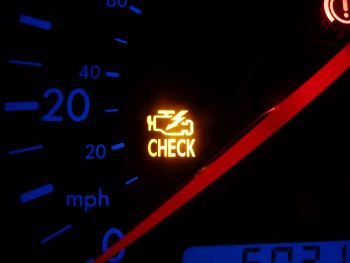 “Automation listens to all these systems and does the most boring, mundane tasks because automation doesn’t get bored,” says Thomas. “Say, for example, the trouble light comes on in the vehicle to signify low tire pressure or washer fluid. The fleet manager doesn’t need to schedule somebody to resolve that because the Ridecell Operations 360 system will be able to identify which workers are on duty and capable of handling it.”
Whether it’s a simple fix or something that requires an outside vendor, the platform can automatically find the necessary vendor and schedule a fix without any intervention by the fleet manager.
A More Elegant, Efficient User Experience
In addition to streamlining operations and reducing expenses, Ridecell’s platform improves the FMC client experience immensely. It’s easy to use, intuitive, and keeps users informed every step of the way.
“When you order a package from Amazon, you know exactly when it was boxed, where it is, when it’s going to come to your home, and when it shows up,” says Thomas. “When you order a $50,000 car, you don’t get that same level of visibility. By having all of these systems linked together, you can provide your customers with a single unified view of where their vehicles are and when they can expect them.”
This unified platform is even more helpful as vehicles get fitted with an increasing number of systems. For example, systems like Geotab and cabin cameras can record a lot about the performance of the car but require users to log into multiple applications to see data.
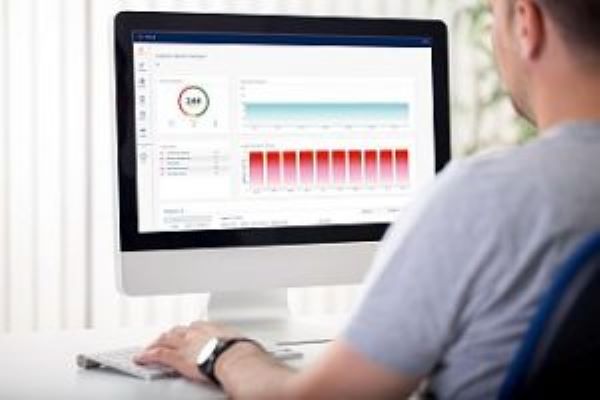 “As a fleet customer, I would like to be able to log into a single place to see all of this information,” says Thomas. “It’s very, very hard for individual systems to talk to other systems. Having a digital transformation layer–a very lightweight integration layer–lets that system be pulled together and offered to customers so that they just log into one thing. They can understand every vehicle with all the different systems intuitively, which is what people have come to expect.”
Creating Successful Partnerships
“Ridecell today is really designed to work with the largest FMCs in the industry to create solutions that make their customers’ or clients’ experience better,” says Thomas.
Whether an FMC operates in multiple regions or with different business models or IT systems, Ridecell allows it to pull all of that information into a single platform. Even larger FMCs that have acquired companies with multiple different systems in place can rely on Ridecell’s integration services. This unified view allows company leaders to understand their utilization rate, the profitability of their vehicles, and when those vehicles should be repurposed, remarketed, or sold.
“We cut the Gordian Knot and connect all the disparate systems with a very lightweight integration,” says Thomas. “That gives them the visibility to understand and see where the bottlenecks are, where are the blind spots, and how do I make smarter business decisions for my company?”
 One of Ridecell’s most notable partnerships is with Arval, a financial services company that offers full-service vehicle leasing and mobility solutions in 29 countries. Ridecell was originally brought in to create motor pool solutions and incorporate keyless technology but has since expanded to automate routine vehicle lifecycle operations across multiple business units.
The Ridecell flagship solution has proven popular for its ability to offload routine and mundane tasks in favor of more skilled work. As Thomas points out, an automation and orchestration solution is also helpful in that it delivers a real-time response 24 hours a day.
“Operations 360 is never on a lunch break, it’s never sleeping, it never puts its phone down,” says Thomas. “So, if there’s an accident or an airbag alert, these systems are able to immediately respond, essentially creating a safer world.”