By David Lewis, Founder and CEO, MoveEV
April 1, 2024
Currently, 16 states have announced plans to end the sale of gas vehicles by 2035. After some initial trepidation, there’s a growing consensus among fleet managers that electric vehicles are a viable solution for their own economic and environmental savings targets. As more fleets layer EVs into their portfolios, a new question emerges: in which scenarios does a home-charging program make sense, and when is depot or public charging better?
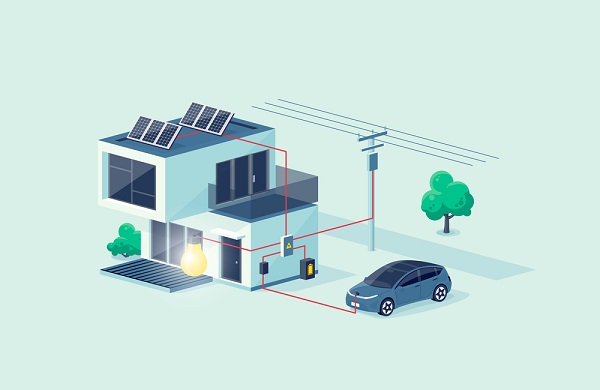
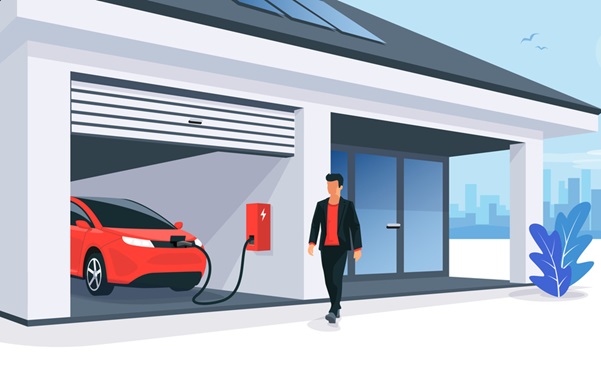 As a general rule of thumb, home charging is a win for fleet managers and drivers alike. Off-peak residential rates can be up to 60 percent less than public charging rates, which can mean thousands in annual savings for high-mileage drivers. Lower-mileage drivers (those averaging 70 miles or less per day) can often make do with a simple trickle charger plugging into a 110-volt wall outlet, instead of requiring a Level 2 charger, which needs a 240v outlet, further cutting setup costs. Plus, vehicles can charge overnight, allowing fleet drivers to start each day with a full tank, saving valuable employee time.
However, a number of scenarios make a home-first approach to charging a poor fit. Let’s explore a few examples where charging at home is not the best solution.
Where At-Home Charging Falls Short
Home Accessibility
 On average, about 70 percent of Americans live in freestanding homes. While the demographics of each company’s fleet drivers differ, assume some percent of employees live in apartments, multi-unit dwellings or areas without access to a reliable private parking space or within a reasonable distance of a wall outlet. This makes regularly using a trickle charger difficult, and the ability to install a Level 2 charger virtually impossible. Before rolling out any take-home charging program, survey employees about their home setup to ensure home charging is viable.
Employee Rate Plans Matter
Rate plans and electric bills in this country are like snowflakes; even two employees who live in the same neighborhood might have very different utility bills. Time-of-use plans (which usually offer lower rates at night) can make home charging very attractive. Tiered rate plans, which depend on total monthly consumption, might lead to higher charging costs if the added draw bumps the employees into a higher overall rate tier. In all cases, employee’s plans and monthly use should be analyzed to understand if a home-based charging program makes sense on an individual basis.
Connectivity and Reporting Challenges
While rarely considered by fleet managers at the outset, a number of companies have reported trouble getting accurate charging data from Wi-Fi-connected home chargers, especially in areas with poor connectivity. In remote locations lacking reliable cell service, reporting and monitoring charging can become problematic. For these reasons, we recommend getting charging data directly from the vehicle instead of relying on the reporting function of smart chargers when running a home charging reimbursement program.
Multi-Shift Vehicles
 Just as not every home is right for EV charging, not every vehicle can go home. Some electric police vehicles and buses work two or three consecutive shifts and can’t realistically return to an employee’s home for charging in between. In these use cases, at-home charging isn’t a viable option and depot or in-field charging makes the most sense.
Depot Capacity
Commercial and industrial utility rates average $.05-$.08 less than residential rates, making depot charging the more attractive option in some situations. The limiting factor here, of course, is your company’s depot charging capabilities vs. your fleet’s current and projected needs. Adding new on-site chargers can be a costly and time-consuming proposition. A number of federal, state, and local grants are available to help offset new infrastructure investments. Applying for grants, getting permits and contractors, and actually installing chargers can take time. Here, a home-charging program might not be the best solution in the long run but could still provide a helpful bridge to a longer term on-site program, or can help offset the demand for limited depot access as your EV fleet grows.
Geographical Considerations
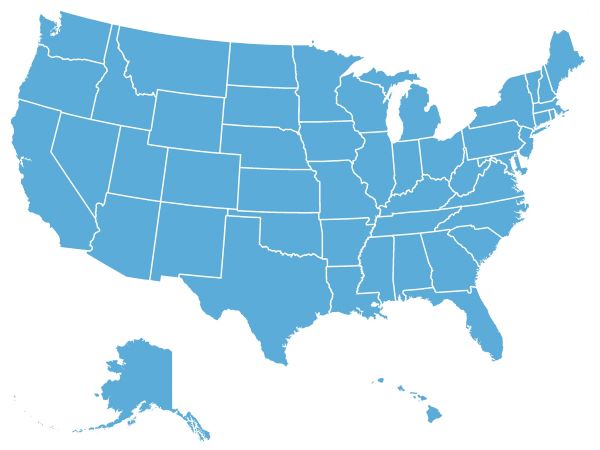 Where fleet vehicles are located can impact a home charging program’s viability, as well. For distributed fleets with drivers scattered across the country, home charging might be the only feasible option; home rates will almost always be more economical than public charging. However, for consolidated fleets where vehicles return to a central depot, or where drivers live in a tight geographic area close to a depot charging location, reduced commercial rates might make depot-only charging the more cost-effective and preferable solution.
Conclusion
While at-home charging offers many benefits, it’s not a one-size-fits-all solution. Fleet managers must consider various factors like employee residence, vehicle usage patterns, cost dynamics, and current reimbursement practices to run a successful home charging reimbursement program. By carefully evaluating your operations and employees’ situations, an organization can develop a tailored EV charging strategy that aligns with its operational needs and goals.
About the author
 David Lewis is the founder and CEO of MoveEV, an AI-powered EV transition company that helps organizations convert fleet and employee-owned gas vehicles to electric by accurately reimbursing for charging electric vehicles at home. Dave is an experienced B2B software executive with significant experience systematically creating value through new product offerings, M&A, and transforming tech-enabled services to SaaS.