Truemag

  • Newsletters
  • Thought Leadership
  • Mobility
  • Safety
  • Work Trucks
  • Videos
  • Home
  • Subscribe
  • Contact Us
  • Media Kit
  • Who We Are

Study: EV Pickups Significantly Reduce Emissions

The bigger the vehicle, the better the impact on emissions!

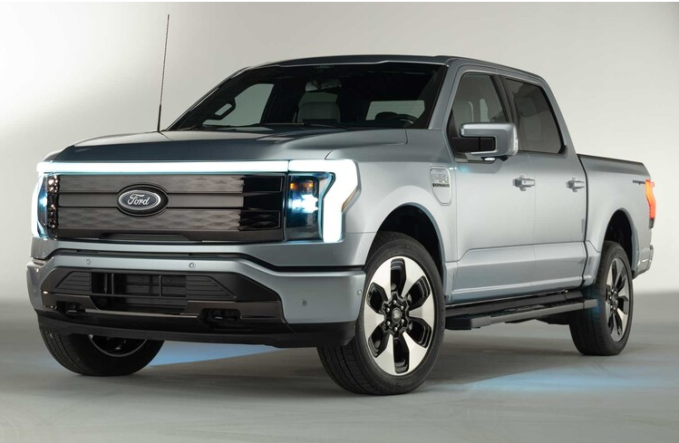
A joint study between Ford and the University of Michigan found that, within the light-duty vehicle sector, switching from conventional internal combustion engines to battery-electric powered vehicles significantly reduces greenhouse gas emissions.

The study determined that on average in the US, light-duty, battery-electric vehicles have approximately two-thirds lower greenhouse gas emissions throughout its entire lifecycle than vehicles powered by internal combustion engines. Even more, the bigger the vehicle, the better the impact on emissions.

Researchers focused on three various powertrain options available in 2020: internal combustion engines, hybrid-electrics, and battery-electrics. Further, they looked at what impact these powertrains had on midsize sedans, midsize SUVs, and full-size pickup trucks in regard to fuel economy, mileage, production, and overall vehicle lifecycle.

“Though the percentage savings is approximately the same across vehicle classes, on average
replacing an internal-combustion-engine sedan with a battery-electric sedan saves 45 metric tons of carbon dioxide equivalent, replacing an internal-combustion-engine SUV with a battery-electric SUV saves 56 metric tons of carbon dioxide equivalent, and replacing an internal-combustion engine pickup with a battery-electric pickup saves 74 metric tons carbon dioxide equivalent over the lifetime of the vehicles,” said study first author and Center for Sustainable Systems Research Specialist Max Woody.

No surprise, the study did substantiate that battery-electric vehicles do have larger greenhouse gas emissions during initial production, primarily due to battery manufacturing. The good news is this result is counterbalanced by economies experienced during vehicle operation. For battery-electric vehicles and internal combustion engine vehicles, the breakeven time is 1.2 to 1.3 years for sedans, 1.4 to 1.6 years for SUVs, and 1.3 years for pickup trucks, based on the standard U.S. grid and vehicle miles traveled.

Charging strategies can also reduce battery-electric vehicle greenhouse gas emissions. Researchers determined that charging when grid emissions’ intensity is at its lowest can reduce emissions by 11% on average. “Deployment of electric vehicles and expansion of renewable energy resources like solar and wind should be done at the same time; the benefit of each is increased by the development of the other,” said Woody.

Putting a finer point on the matter, study senior author Greg Keoleian, a professor at the U-M School for Environment and Sustainability and director of the U-M Center for Sustainable Systems said “This is an important study to inform and encourage climate action. Our research clearly shows substantial greenhouse gas emission reductions that can be achieved from transitioning to electrified powertrains across all vehicle classes.”

Ford Light Duty Vehicles: Electric v. ICE
Ford and UMich Full Study Report


Mar 14, 2022Janice
Phelps Rogovoy Promoted to VP Client Support Services at Agile FleetBooster Builds up Executive Team as Company Expands in SoCal and Converts Customers to Renewable Fuels
Recent Posts
  • IMPROVLearning: How Comedy, Behavioral Science and AI Improve Fleet Safety
  • Improving Productivity with AI: Turning Fleet Data into Faster Decisions
  • National Safety Council Projects Increased Traffic Crash Risk during Fourth of July Weekend
  • Keep Every Heavy-Duty Maintenance Inspection on Track — Free Fullbay Checklist
  • Gain Data-Driven Insights into Commercial Vehicle Market Trends at Executive Leadership Summit
  • Last Chance to Save: Register for NAFA’s Maintenance Workshop
  • License Plate Cameras Are About to Start Tracking a Lot More Than Just Your Car
  • America’s Heavy EV Problem May End with Drivers Paying More
  • Trends in U.S. Drivers’ Perceptions and Attitudes Toward Vehicle Automation, 2019–2025
  • 2026 NETS Strength IN Numbers Conference: Early Bird Rates!
ASSOCIATION NEWS
Last Chance to Save: Register for NAFA’s Maintenance Workshop
How AFLA Is Positioning Itself for the Future of Fleet Mobility
‘Raise Your Hand and Get Involved’
NAFA Names 2026 Class of Fellows, Honoring Leaders in Fleet Management
Award Winners Honored at NAFA I&E
2026 NAFA I&E Seeks to Change Perceptions, Invigorate Fleets
NAFA Announces Lineup for Media Day at I&E 2026: Industry Leaders to Showcase the Latest Innovations
TECHNOLOGY
Improving Productivity with AI: Turning Fleet Data into Faster Decisions
Fleet Operations Are Changing – The Industry Needs to Evolve With Them
AI-Powered Vehicle Inspections Move Beyond the Checklist
Motive’s New Workforce Capabilities Aim to Improve Performance, Automate Rewards
AI + Human Insight: Why Fleet Leaders Need Both to Win in 2026
NTSB Finds Automation Overreliance Contributed to Two Fatal Ford BlueCruise Crashes
New AI Assistants Automate Fleet Data Analysis, Decision Making and More
CONFERENCES & WEBINARS
2026 NETS Strength IN Numbers Conference: Early Bird Rates!
AFLA 2026 – Keynotes Announced!
Private Fleets Flex at National Private Truck Council Conference
Free NAFA Webinar: Manage Your Fuel Cost Volatility
Registration Now Open for NETS Annual Conference
Early Bird Pricing for AFLA 2026 – Ending June 1
NAFA Online Seminar: Essentials of Fleet Management
INDUSTRY ANNOUNCEMENTS
Union Leasing Becomes Moventum Fleet Management as 70-Year Company Accelerates into Next Phase
Fleetio Wins Innovations Award at NAFA’s 2026 Institute & Expo
WIFM is heading to NAFA!
Cox Automotive Unveils Cox Fleet, Setting a New Standard for Fleet Uptime Nationwide
AFLA Canadian Fleet Professional of the Year Award: Nominations Open!
NAFA Webinar: Kickoff the 2026 100 Best Fleets Contest on December 4!
Join NAFA’s Free Fleet 101 Live Course

Fleet Management Weekly Newsletter Archive
Access to back issues of the FMW newsletter.

FMW Mobility
How mobility is rapidly changing the fleet management landscape.

Newsletter

Subscribe

FMW Fleet Videos
Video clips of industry leaders speaking on a variety of engaging hot topics in fleet.

2014-2020 © Fleet Management Weekly