Truemag

  • Newsletters
  • Thought Leadership
  • Mobility
  • Safety
  • Work Trucks
  • Videos
  • Home
  • Subscribe
  • Contact Us
  • Media Kit
  • Who We Are

The Numbers Don’t Lie: Self-Driving Cars Are Getting Good

Wired

It’s report card time for the automakers and Silicon Valley denizens studying the tricky problem of making cars drive themselves, and everyone is passing.

The California DMV just released its annual slate of “disengagement reports,” documents provided by the 11 companies that received state permits to test autonomous vehicles by the end of 2015.

The results, summarized below, reveal how often humans had to wrest control away from the computer, and why (sort of).

Although the reports are an imperfect measure of how the technology performs, they do reveal rapid progress toward the day when you are no longer needed behind the wheel.

Google and General Motors are leading the class with cars capable of driving hundreds of miles at a stretch without trouble. But even those who don’t make the honor roll show impressive gains. Nissan’s robocars, for example, needed human intervention once every 247 miles, compared to once every 14 miles in 2015.

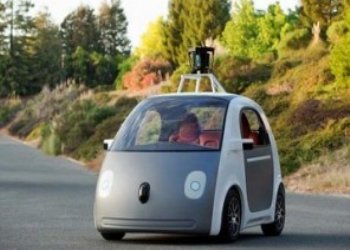
The reports, which cover December 2015 to November 2016, leave a lot to be desired—more on that in a moment—but do offer interesting insights. Google’s program, now called Waymo and gearing up for commercial applications, continues outpacing the competition. The company’s cars drove 636,000 miles with just 124 disengagements, a 19 percent drop from 2015. Its fleet logged nearly all those miles on the quiet, suburban streets of Mountain View and its environs, and most of the interventions followed hardware or software discrepancies, when, say, the car’s lidar and camera reported slightly different data.

Cruise, the startup leading GM’s autonomous driving efforts, did all its testing in San Francisco, where it ramped up from five miles in June 2015, to 400 in June 2016. By late last year, it was clocking hundreds of miles without a hitch.

Most of Delphi’s trouble came while changing lanes in heavy traffic. Ford’s two autonomous cars in California only drive on the highway, during the day, with fine weather and road conditions, which explains why it only needed human help three times in 590 miles. (It has a larger test fleet in Michigan, which doesn’t require any reporting.) The little testing Tesla reported (just 550 miles) was part of its preparation to launch a revamped Autopilot system. It gets most of its data from its customers, driving in the real world.

Like the state’s requirement that companies publicly report any crashes involving their robo-rides, the point of these reports is to create accountability for the new technology. In a field reliant upon complex software, artificial intelligence, and sophisticated hardware, disengagements provide a metric the average person can understand. They reveal how often the car screws up so badly that the human inside had to take over.

But, like crash reports (which mostly reveal that people cannot stop rear-ending Google cars), they don’t tell the whole story.

Read more of the original article at Wired.



Feb 6, 2017connieshedron
The Car Hackers of FremontAdvocates for Highway and Auto Safety Releases 2017 Roadmap Report of State Highway Safety Laws
Recent Posts
  • Why the Traditional Vehicle Ordering Cycle No Longer Works
  • DASH Breaks Ground on DC Metro Region’s First On-Route Electric Bus Chargers
  • IMPROVLearning: How Comedy, Behavioral Science and AI Improve Fleet Safety
  • Improving Productivity with AI: Turning Fleet Data into Faster Decisions
  • National Safety Council Projects Increased Traffic Crash Risk during Fourth of July Weekend
  • Keep Every Heavy-Duty Maintenance Inspection on Track — Free Fullbay Checklist
  • Gain Data-Driven Insights into Commercial Vehicle Market Trends at Executive Leadership Summit
  • Last Chance to Save: Register for NAFA’s Maintenance Workshop
  • License Plate Cameras Are About to Start Tracking a Lot More Than Just Your Car
  • America’s Heavy EV Problem May End with Drivers Paying More
ASSOCIATION NEWS
Last Chance to Save: Register for NAFA’s Maintenance Workshop
How AFLA Is Positioning Itself for the Future of Fleet Mobility
‘Raise Your Hand and Get Involved’
NAFA Names 2026 Class of Fellows, Honoring Leaders in Fleet Management
Award Winners Honored at NAFA I&E
2026 NAFA I&E Seeks to Change Perceptions, Invigorate Fleets
NAFA Announces Lineup for Media Day at I&E 2026: Industry Leaders to Showcase the Latest Innovations
TECHNOLOGY
Improving Productivity with AI: Turning Fleet Data into Faster Decisions
Fleet Operations Are Changing – The Industry Needs to Evolve With Them
AI-Powered Vehicle Inspections Move Beyond the Checklist
Motive’s New Workforce Capabilities Aim to Improve Performance, Automate Rewards
AI + Human Insight: Why Fleet Leaders Need Both to Win in 2026
NTSB Finds Automation Overreliance Contributed to Two Fatal Ford BlueCruise Crashes
New AI Assistants Automate Fleet Data Analysis, Decision Making and More
CONFERENCES & WEBINARS
2026 NETS Strength IN Numbers Conference: Early Bird Rates!
AFLA 2026 – Keynotes Announced!
Private Fleets Flex at National Private Truck Council Conference
Free NAFA Webinar: Manage Your Fuel Cost Volatility
Registration Now Open for NETS Annual Conference
Early Bird Pricing for AFLA 2026 – Ending June 1
NAFA Online Seminar: Essentials of Fleet Management
INDUSTRY ANNOUNCEMENTS
Union Leasing Becomes Moventum Fleet Management as 70-Year Company Accelerates into Next Phase
Fleetio Wins Innovations Award at NAFA’s 2026 Institute & Expo
WIFM is heading to NAFA!
Cox Automotive Unveils Cox Fleet, Setting a New Standard for Fleet Uptime Nationwide
AFLA Canadian Fleet Professional of the Year Award: Nominations Open!
NAFA Webinar: Kickoff the 2026 100 Best Fleets Contest on December 4!
Join NAFA’s Free Fleet 101 Live Course

Fleet Management Weekly Newsletter Archive
Access to back issues of the FMW newsletter.

FMW Mobility
How mobility is rapidly changing the fleet management landscape.

Newsletter

Subscribe

FMW Fleet Videos
Video clips of industry leaders speaking on a variety of engaging hot topics in fleet.

2014-2020 © Fleet Management Weekly