Truemag

  • Newsletters
  • Thought Leadership
  • Mobility
  • Safety
  • Work Trucks
  • Videos
  • Home
  • Subscribe
  • Contact Us
  • Media Kit
  • Who We Are

Cheap-Fuel Savings Slip With Premium

Automotive News

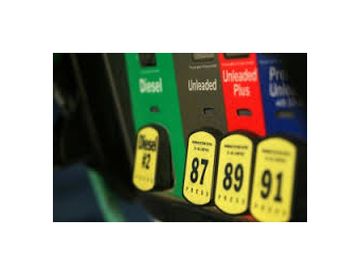
Gasoline is cheap again, but at the same time, the extra charge to coddle an engine with premium instead of regular has never been higher.

At a Shell station in Tucson, Ariz., regular gasoline cost $1.17 a gallon earlier this month, according to GasBuddy.com, while premium was $1.75.

That’s nearly 50 percent more.

In Chicago, a Pilot station had regular for $1.95 and premium for $3.09, 58 percent more. And an Exxon station in Newport News, Va., offered regular for $1.59 and premium for $2.89 — 82 percent more.

Five years ago, premium cost an average of 7 percent more than regular, government data show.

At current prices, buying premium would cost an average driver several hundred dollars more this year, and potentially several thousand over the life of a vehicle. The sudden shift has effectively wiped out the fuel-economy advantage claimed by some models with turbocharged engines that demand premium, and it’s undoubtedly making some drivers rethink whether the added cost is worth it.

The price difference might not matter much to those who can afford luxury and high-end performance cars, which typically require premium. But it can be painful for owners of cheaper cars that demand higher octane, including the Mini Cooper and Smart ForTwo, and confusing for drivers of vehicles that recommend premium who fear damaging the engine or voiding the warranty by using regular instead.

Nissan North America recommends drivers put premium in its Maxima and Juke. Company officials say it’s fine to ignore that suggestion, and they acknowledge that more drivers are likely doing just that now that the savings are so substantial.

“We recommend premium fuel, but customers can feel free to use regular,” said Tiago Castro, senior manager of product planning for Nissan North America. “At some point, they may not see the value in premium. We make it clear it’s recommended, not required.”

Fuel octane requirements are likely not among the specs that most people study when shopping for a new vehicle, yet they’ll be faced with the decision of which grade to buy every time they stop to fill up.

“If it says “premium recommended,’ then you don’t have to — why spend the extra money?” said Carroll Lachnit, a consumer advice editor at Edmunds.com. “But you’re not going to save that much money, so if you’ve spent the money on a sports car or a luxury car, don’t cheap out now.”

Growing gap

In the 1990s and 2000s, a gallon of premium consistently cost about 18 to 20 cents extra, according to the U.S. Energy Information Administration. When gasoline prices surged in 2008, the disparity grew a few cents wider, but drivers were still paying less than 10 percent more for the higher octane.

Now, premium costs an average of 48 cents more a gallon than regular. Percentagewise, the gap between the two grades has tripled since 2013 and more than doubled just since August.

Read more of the original article at Automotive News

Mar 21, 2016connieshedron
New to the World of Global Fleet? NAFA Has Just the Place for You!An Unintended Consequence of Plastic Auto Parts: Rising Repair Costs
Recent Posts
  • Why the Traditional Vehicle Ordering Cycle No Longer Works
  • DASH Breaks Ground on DC Metro Region’s First On-Route Electric Bus Chargers
  • IMPROVLearning: How Comedy, Behavioral Science and AI Improve Fleet Safety
  • Improving Productivity with AI: Turning Fleet Data into Faster Decisions
  • National Safety Council Projects Increased Traffic Crash Risk during Fourth of July Weekend
  • Keep Every Heavy-Duty Maintenance Inspection on Track — Free Fullbay Checklist
  • Gain Data-Driven Insights into Commercial Vehicle Market Trends at Executive Leadership Summit
  • Last Chance to Save: Register for NAFA’s Maintenance Workshop
  • License Plate Cameras Are About to Start Tracking a Lot More Than Just Your Car
  • America’s Heavy EV Problem May End with Drivers Paying More
ASSOCIATION NEWS
Last Chance to Save: Register for NAFA’s Maintenance Workshop
How AFLA Is Positioning Itself for the Future of Fleet Mobility
‘Raise Your Hand and Get Involved’
NAFA Names 2026 Class of Fellows, Honoring Leaders in Fleet Management
Award Winners Honored at NAFA I&E
2026 NAFA I&E Seeks to Change Perceptions, Invigorate Fleets
NAFA Announces Lineup for Media Day at I&E 2026: Industry Leaders to Showcase the Latest Innovations
TECHNOLOGY
Improving Productivity with AI: Turning Fleet Data into Faster Decisions
Fleet Operations Are Changing – The Industry Needs to Evolve With Them
AI-Powered Vehicle Inspections Move Beyond the Checklist
Motive’s New Workforce Capabilities Aim to Improve Performance, Automate Rewards
AI + Human Insight: Why Fleet Leaders Need Both to Win in 2026
NTSB Finds Automation Overreliance Contributed to Two Fatal Ford BlueCruise Crashes
New AI Assistants Automate Fleet Data Analysis, Decision Making and More
CONFERENCES & WEBINARS
2026 NETS Strength IN Numbers Conference: Early Bird Rates!
AFLA 2026 – Keynotes Announced!
Private Fleets Flex at National Private Truck Council Conference
Free NAFA Webinar: Manage Your Fuel Cost Volatility
Registration Now Open for NETS Annual Conference
Early Bird Pricing for AFLA 2026 – Ending June 1
NAFA Online Seminar: Essentials of Fleet Management
INDUSTRY ANNOUNCEMENTS
Union Leasing Becomes Moventum Fleet Management as 70-Year Company Accelerates into Next Phase
Fleetio Wins Innovations Award at NAFA’s 2026 Institute & Expo
WIFM is heading to NAFA!
Cox Automotive Unveils Cox Fleet, Setting a New Standard for Fleet Uptime Nationwide
AFLA Canadian Fleet Professional of the Year Award: Nominations Open!
NAFA Webinar: Kickoff the 2026 100 Best Fleets Contest on December 4!
Join NAFA’s Free Fleet 101 Live Course

Fleet Management Weekly Newsletter Archive
Access to back issues of the FMW newsletter.

FMW Mobility
How mobility is rapidly changing the fleet management landscape.

Newsletter

Subscribe

FMW Fleet Videos
Video clips of industry leaders speaking on a variety of engaging hot topics in fleet.

2014-2020 © Fleet Management Weekly