By Neil Fryer, Vice President and General Manager, Global Aftermarket, PHINIA
July 22, 2026
Fleet operators are under increasing pressure to do more with less. Rising operating costs, tighter margins, supply chain uncertainty, and growing sustainability expectations are all shaping decisions around vehicle management and maintenance. At the same time, many operators continue to face challenges around fleet spending, vehicle replacement cycles, and the transition to lower-emission transport. As a result, operators are increasingly focused on maximizing the value and lifespan of existing fleet assets.

Neil Fryer, VP and GM, Global Aftermarket, PHINIA
This has direct implications for fleet performance and profitability. As vehicles age, maintaining reliability, controlling maintenance costs, and improving asset utilization become increasingly important. The longer a vehicle remains in service, the greater the need for effective maintenance strategies, high-quality replacement parts, and durable components to minimize downtime and avoid costly unplanned repairs.
This reflects a broader shift across the automotive industry. With acquisition costs remaining high and economic uncertainty continuing to influence purchasing decisions, businesses are placing greater emphasis on asset optimization and lifecycle management.
For commercial vehicle operators looking to ensure uptime, control costs and reduce environmental impact, the aftermarket provides a practical and immediate route to achieving all three. Through maintenance, repair and remanufacturing, the aftermarket helps fleets extend vehicle life, improve resource efficiency, and extract greater value from existing assets.
 This matters because sustainability is not only determined by the technologies of the future. It is also influenced by how effectively the industry manages and maintains the vehicles operating today. By keeping vehicles operating safely, efficiently, and productively for longer, the aftermarket has a critical role to play in reducing the industry’s environmental footprint. This places aftermarket technicians at the center of the automotive industry’s sustainability efforts.
Sustainability Starts with Vehicle Longevity
Alongside rising operating costs and fleet management challenges, commercial vehicle operators are facing growing pressure to demonstrate progress against sustainability goals. Customers, regulators, and stakeholders increasingly expect businesses to reduce emissions, improve resource efficiency, and make better use of existing assets. For many fleet operators, extending vehicle life is now one of the most immediate and practical ways to meet these objectives.
 Modern commercial vehicles are built to last, but maintaining reliability over longer operating cycles requires a strategic approach to servicing and repair. Preventive maintenance, quality replacement parts, and skilled technical expertise all play a critical role in ensuring vehicles continue to perform safely and efficiently throughout their service life.
The result is a growing recognition that maintenance should not be viewed simply as a cost center. Instead, it is now a key contributor to fleet resilience, efficiency, and long-term sustainability. Every avoided breakdown, every additional year of vehicle service and every successful repair contribute to lower resource consumption and improved operational and sustainability performance.
The Value of Remanufacturing
As operators look to extend vehicle life and improve resource efficiency, attention is increasingly turning not only to how vehicles are maintained, but also to the components used to keep them on the road. Alongside effective maintenance strategies, remanufactured components are playing an increasingly important role in supporting fleet operations.
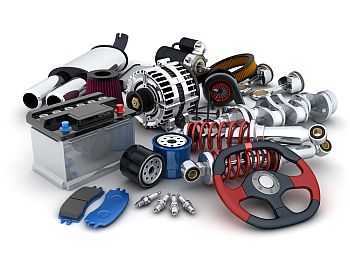 Every professionally remanufactured injector, pump or critical vehicle component helps conserve valuable raw materials while avoiding much of the additional carbon footprint associated with manufacturing a new replacement part. By restoring components to a high standard and returning them to service, the commercial vehicle aftermarket supports a more resource-efficient approach to vehicle maintenance.
 However, the value of remanufacturing extends beyond sustainability alone. Fleet operators also depend on the quality, reliability, and availability these components provide. At a time when parts availability remains a concern for many workshops and operators, remanufacturing can help strengthen supply chain resilience by returning serviceable components back into circulation. As reliable parts supply becomes an increasingly important consideration for fleets, access to trusted remanufactured components can help operators maintain uptime while reducing reliance on newly manufactured parts.
This creates a practical benefit for fleets. Reduced dependence on newly manufactured parts can help minimize downtime, improve parts availability and support more predictable maintenance planning. As fleet operators seek to improve maintenance efficiency and make better use of existing assets, access to trusted remanufactured solutions becomes even more valuable.
The Aftermarket Advantage
Behind every successful repair or remanufactured component is the expertise of the aftermarket workforce.
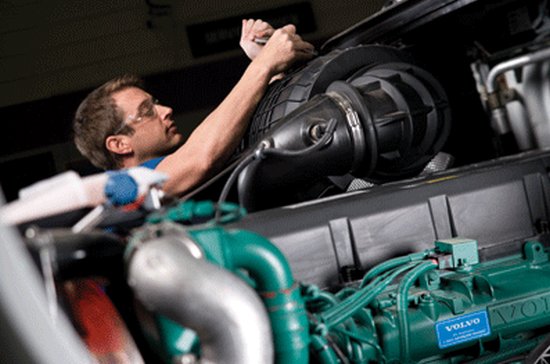 Aftermarket technicians are often overlooked in conversations about sustainability, yet they play a critical role in reducing waste, enhancing resource efficiency, and ensuring vehicles remain productive throughout their service life. Every repair that returns a vehicle to service, every component that is restored rather than replaced, and every maintenance intervention that prevents a premature failure contributes to a more reliable and sustainable commercial vehicle sector.
 As fleet assets age and vehicle technologies become increasingly complex, the expertise required to diagnose, repair and maintain them is becoming more specialized. Today, workshops do far more than repair vehicles. They help fleets maintain availability, improve reliability and support more efficient asset management. In doing so, they play an increasingly important role in helping operators balance economic pressures with sustainability objectives.
For commercial vehicle operators, the message is clear. Sustainability is not only about the next generation of vehicle technologies. It is also about making smarter use of the vehicles already in operation.
 By investing in preventive maintenance, quality components, remanufactured solutions and skilled technical support, fleets can improve performance, reduce operating costs and strengthen sustainability outcomes. In an environment defined by economic pressure, evolving sustainability expectations and longer vehicle replacement cycles, the aftermarket is becoming an increasingly important partner in helping fleets remain productive, resilient and sustainable.
To learn more about PHINIA’s commercial vehicle sustainability efforts, click here.