By Jay Collins, Senior Vice President and General Manager of EV and Mobility, WEX
January 21, 2026
Heading into 2026, the mixed-energy fleet is at a crossroads – the era of EV experimentation is over and the era of optimization phase is here. The question is no longer whether to electrify, but how to do it in a way that actually delivers value. For most operators, that means managing mixed-energy fleets more intelligently, balancing electric vehicles (EVs) and internal combustion engines (ICE) while keeping a close eye on costs, utilization, and risk.
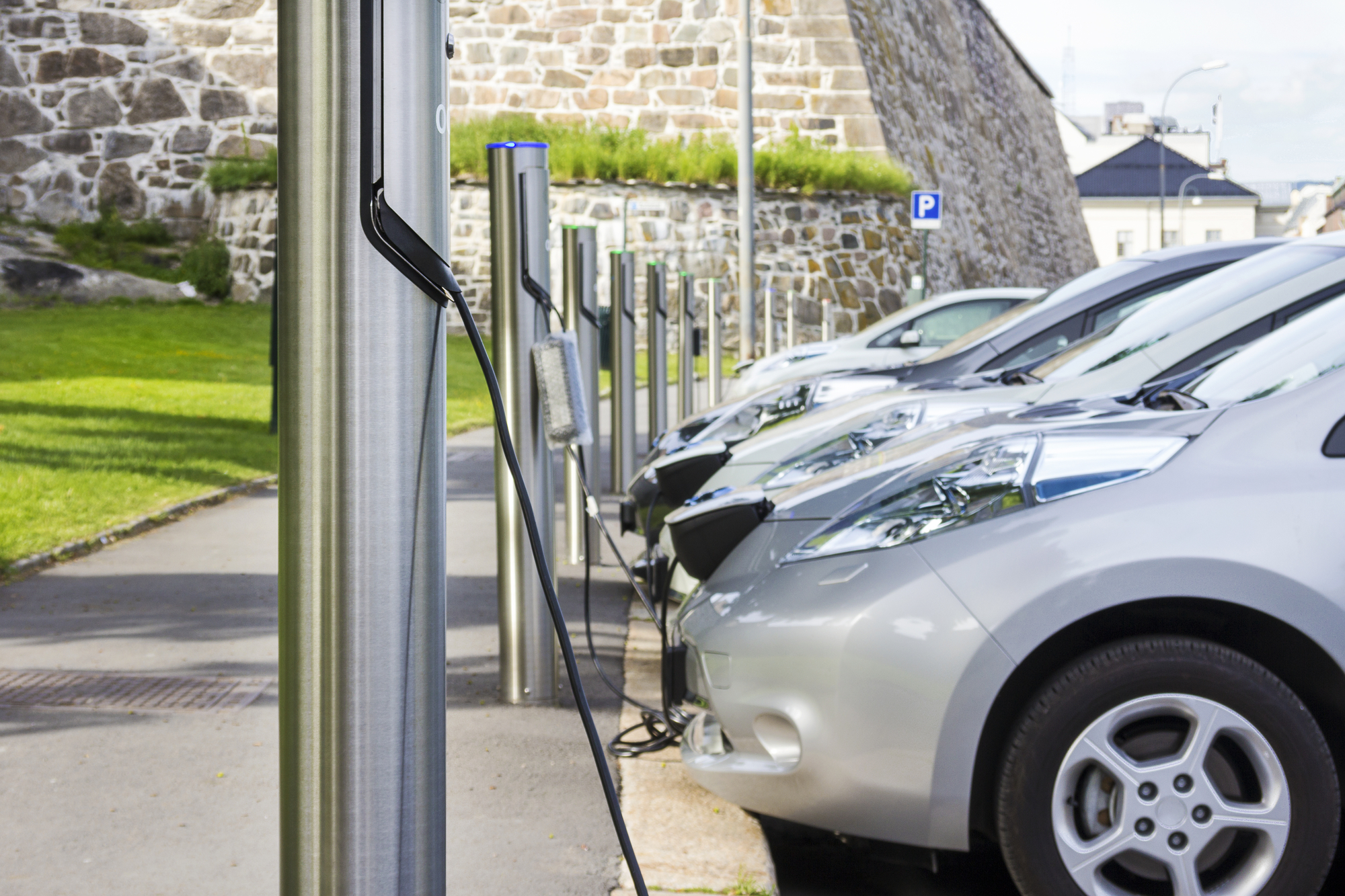 The EV conversation is becoming more grounded with an industry moving beyond early adoption. Fleet leaders are prioritizing smarter integration, better data, and more resilient systems as they navigate tightening budgets, evolving fraud threats, and ongoing economic and policy uncertainty. The trends below highlight what’s next for fleet electrification and what operators need to get right to make EVs work at scale.
When EVs Don’t Deliver: The Cost of Using Them Wrong
Fleets need scalable, integrated EV solutions that work seamlessly with existing fleet management systems. As the global vehicle market electrifies, U.S. fleets will benefit from a new generation of fit-for-purpose commercial EVs that are more affordable and operationally viable. Mixed-energy fleets are becoming the norm, but efficiency depends on using the EV assets the right way.
 Plug-in hybrids illustrate this challenge. Many fleets adopt them for fuel efficiency or to meet sustainability goals but then operate them primarily on traditional fuel, effectively creating a less efficient, less sustainable ICE vehicle. Fleets leveraging proper data analysis and training will be better positioned to determine when hybrids or plug-in-hybrids make sense and when full battery electric vehicles deliver greater cost savings.
Charging strategy is another critical factor. Fleets that charge EVs at workplaces or employees’ homes can achieve significant savings compared to en-route charging or traditional fuel costs, reinforcing the importance of infrastructure planning.
From Premium to Parity: EV Economics Turning the Corner
After a surge in EV sales ahead of expiring federal incentives, the market slowed in late 2025. But we forecast price parity between EVs and comparable ICE vehicles will emerge in 2026, with total cost of ownership becoming a decisive factor for commercial fleets by late 2026 and beyond.
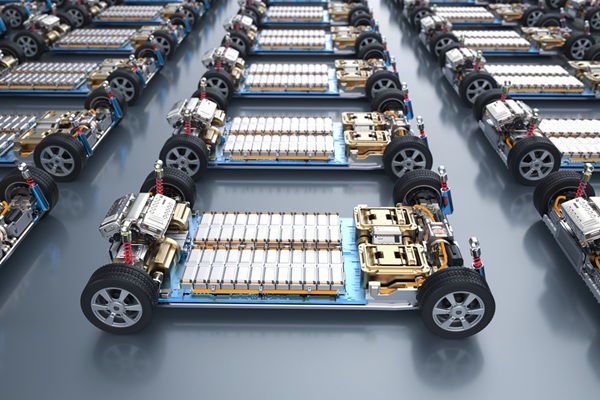 Battery costs are the driving force behind this shift. EV batteries averaged around $150 per kWh in 2022 and are expected to fall toward $80 per kWh in 2026. Since batteries account for up to 40% of an EV’s cost, declining prices could make EVs cheaper to purchase than ICE vehicles shortly after parity is reached. By 2027, EVs could be up to one-third cheaper than comparable ICE models.
As Fleets Digitize, Fraud Gets Smarter
Fraud prevention has emerged as one of the most urgent issues for operators – mixed-energy fleets included. Research shows operations leaders estimate that 19% to 22% of fleet spend is lost to theft and fraud. As fleet fraud grows more digital and sophisticated, traditional monitoring methods are no longer enough.
 Fuel theft, card skimming, and unauthorized transactions continue to drain budgets, pushing fleets toward AI-driven fraud detection and real-time monitoring. But as technology becomes more prevalent, EV charging will not be immune to fraudsters. We forecast that in 2026, fleets will increasingly rely on platforms that integrate telematics, use machine learning to stay ahead of fraudsters, and employ transaction intelligence to identify suspicious activity in real time. Rather than combing through spreadsheets after the fact, operators now expect systems to automatically flag or prevent anomalies for both their electrified and ICE assets.
Trade Policy and Tariffs Continue to Challenge Fleets
 Despite improving economics, fleets will still face external pressures. Tariffs enacted in April 2025 increased the U.S. weighted-average tariff rate from 2% to over 20% in weeks, impacting batteries, semiconductors, and steel-intensive components.
In 2026, we anticipate these pressures will continue to affect vehicle pricing, including EVs, in addition to supply chains, and financing costs, particularly for small and mid-market fleets. Successful operators will be those who balance electrification goals with flexible procurement strategies and strong financial controls.
 About the author
Jay Collins leads EV and mobility solutions at WEX, a leading global commerce platform. As Senior Vice President & GM of EV and Mobility, Jay has served as the GM of Small Business, he helmed the company’s entry into Europe and headed Corporate Strategy during his 20-year tenure at WEX. For more information on WEX EV offerings, visit evfleet.wexinc.com.