
Photo: Tim Mundahl, Merchants Fleet
By Fleet Management Weekly Staff
October 15, 2025
One of the fleet industry’s mainstays, Merchants Fleet has been around since 1962. The fact that they maintain an impressive industry profile to this day is testimony to their ability to remain flexible and adapt to an ever changing business landscape.
To get a better idea about how fleets can benefit from being flexible on vehicles and specifications, we had a most enlightening Q&A session with industry pro Tim Mundahl, Director, Fleet Consulting with Merchants Fleet.
 Q: Why are rigid vehicle specifications and strict brand loyalty no longer advantages?
A: In a market impacted by years of price and supply chain volatility, rigid vehicle specifications and strict brand loyalty are no longer advantages they once were. They could become liabilities. Fleets that once prided themselves on consistency now realize that adaptability is the true gold standard. Building flexibility into every aspect of vehicle acquisition is how top-performing fleets are winning today.
Q: Where does flexibility matter most in fleet acquisition?
A: Flexibility includes many areas, from OEMs to vehicle classes, ordering channels, specifications and more.
Q: How are fleets using OEM alternatives?
A: For decades, many fleets defaulted to a single OEM partner, whether Ford, GM, RAM, Toyota, or others. While brand loyalty has its benefits, it can leave fleets vulnerable when supply chains tighten or drastic price changes occur. Resilient fleets now consider multiple OEMs to ensure availability and business continuity.
 Q: How can flexibility in vehicle class help?
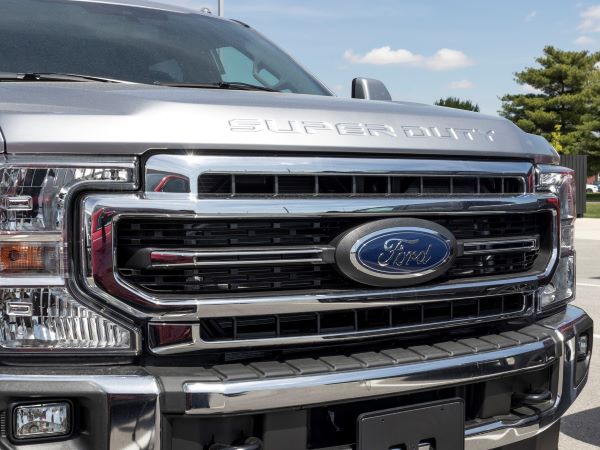
A: Sometimes the right answer isn’t just another OEM – it’s a different vehicle class altogether. Shifting from a Ford F-150 to an F-250, or even down to a Maverick, can be the difference between vehicles sitting idle for months and getting people and equipment on the road.
Q: What role do ordering channels play?
A: Factory orders remain the most cost-efficient option, but today’s fleets must also consider dealer lots or slightly used vehicles. While not ideal, these alternatives provide shorter lead times, especially when carefully selected from newer, lightly used inventory.
Q: How should fleets think about specification flexibility?
A: Modern fleets are also learning to rethink what’s “non-negotiable” in their specs and their upfits. Trims, packages, and components like drivetrain, bed length, or differential size don’t always have to be rigid. The key is focusing on functional fit rather than traditional preference. If a vehicle meets the core job requirement, slight adjustments in specification and/or upfitting can unlock availability without sacrificing performance.
 Q: Why is matching specs to job demands critical?
A: The wrong vehicle specification doesn’t just inconvenience a driver; it can dramatically increase maintenance costs and shorten vehicle lifespan. Terrain and job roles must guide spec decisions. For example, one oil and gas fleet moved from Ford F-150s to F-250s for personnel transport. The initial investment was higher, but it paid off by reducing axle and engine failures caused by rough terrain roads.
Q: How does total cost of ownership (TCO) factor into flexibility?
A: While traditional vehicle and upfit selection was made through the lens of total cost of ownership (TCO), today’s vehicle selection needs to have an expanded view of what makes up those total costs. It’s important to incorporate costs associated with business continuity and reduced downtime into the equation because while a less expensive but less available vehicle may provide a lower TCO in the traditional sense, layering in business costs may show a higher TCO overall.
 Q: What does business continuity look like in practice?
A: Timing matters. Waiting four months for a preferred model may be worth it if the order is part of a regular replacement cycle. However, when a vehicle is needed to support expansion or maintain operations, choosing an available alternative could make all the difference. Fleets that plan for these “Option B, C, and D” scenarios are better positioned to keep their businesses moving forward without disruption. Merchants Fleet can assist fleets in adapting their vehicles to meet their needs in a changing business environment and successfully manage their operations.
Q: What is the bottom line for fleet resilience?
A: Today’s most resilient fleets aren’t the ones with the most rigid specifications. They are the ones who build adaptability into their acquisition strategy. By staying flexible with OEMs, vehicle classes, specs & upfit, and ordering channels, fleet operators ensure that every choice supports the bigger picture: holistic total cost of ownership, operational continuity, and long-term business success.
 To see how Merchants Fleet can assist your fleet in being adaptable and flexible amid today’s evolving business climate, click here.