By RoadFlex
October 15, 2025
The way fleets run has changed dramatically since the 1990s. Back then, fuel cards were a simple tool: drivers swiped at the pump, agencies paid the bill, and reporting arrived weeks later. For gas-only fleets with limited technology needs, that was enough.
 Fast forward to today, and public agencies operate in a completely different environment. A city or county fleet may include gas, diesel, and electric vehicles—alongside in-yard tanks fueling everything from police cruisers to utility trucks. Finance departments face pressure to stretch every taxpayer dollar and demonstrate transparency. Procurement officers must source solutions that are cost-effective and flexible enough to adapt to new energy and reporting requirements.
In this world, the fuel cards of the 1990s fall short. They weren’t designed for the complexity of modern fleets or the accountability standards public agencies must uphold.
The Shortcomings of Legacy Fuel Cards
(1) Delayed Reporting Creates Risk. Fraud or misuse may not surface until weeks later—long after funds have been spent or budgets closed. The lag makes it harder to protect taxpayer dollars and respond quickly when problems arise.
(2) Limited Controls. Agencies need the ability to set policies by vehicle, department, or role. A one-size-fits-all rule structure forces managers to monitor after the fact instead of preventing misuse at the source.
(3) Manual Reconciliation. Finance teams often juggle multiple disconnected systems. Invoices from fuel cards, telematics, and accounting software don’t line up, forcing duplicate entry and slowing down the close.
(4) EVs and In-Yard Fueling Expose Gaps. Legacy systems were built for gas stations, not today’s energy mix. Charging data and in-yard fueling often get tracked separately, leaving managers with a partial view of actual costs and usage.
(5) Hidden Fees. Complicated pricing structures make budgeting harder, leaving procurement and finance officers to decipher statements instead of focusing on strategic spend management.
For public agencies, these shortcomings add up to inefficiency, wasted staff time, and barriers to transparency.
Why Agencies Are Turning to RoadFlex
Across the country, agencies are recognizing that payment tools must do more than process transactions. They need a platform that helps them manage strategically—and that platform is RoadFlex.
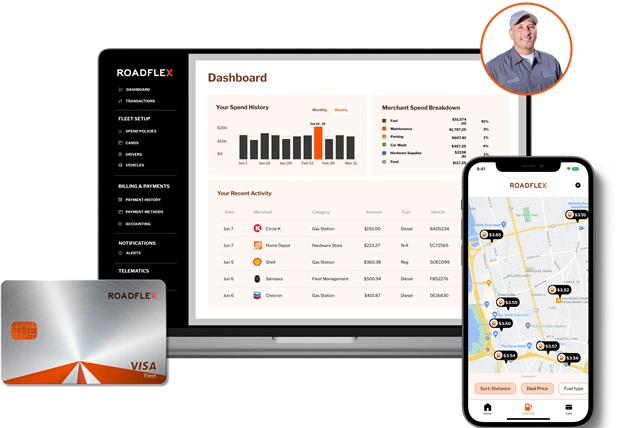
- Real-Time Visibility. Every transaction appears instantly, tagged by driver, vehicle, or department. Fleet managers spot irregularities immediately, while finance teams close the books faster and auditors get clean data.
- Customizable Controls. RoadFlex lets agencies tailor rules to reflect operational reality. Public works, transit, and public safety vehicles can all have fueling policies that fit their missions—without added administrative burden.
- Unified Energy Tracking. RoadFlex captures data across gas, EV charging, and in-yard fueling in one framework, eliminating blind spots, and giving managers a complete picture of costs and usage.
- Seamless Integrations. Direct connections to accounting, telematics, and fleet management systems reduce manual entry, improve accuracy, and save hours of reconciliation.
- Transparent Pricing. Clear, predictable structures make it easier to plan budgets and defend costs to stakeholders.
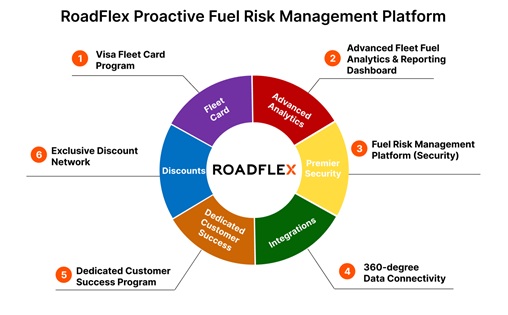
RoadFlex transforms the old swipe-at-the-pump model into a strategic platform for accountability, efficiency, and smarter fleet management.
Making Procurement Easier
Switching systems is often where innovation gets stuck. Agencies know what they want but dread the procurement process. RoadFlex is already available through cooperative purchasing agreements such as Sourcewell contract #030625 RDFX. That means agencies can implement without a lengthy RFP—saving time and resources while meeting compliance requirements.
From Transactions to Strategy
The story isn’t just about replacing an outdated card—it’s about shifting from transactions to strategy. Legacy systems moved money but didn’t help agencies move forward. RoadFlex gives fleet managers operational clarity, finance officers trusted data, and procurement teams the accountability tools they need.
 Public fleets don’t look like they did in the 1990s, and their tools shouldn’t either. Agencies that modernize with RoadFlex are better positioned to protect taxpayer dollars, serve their communities, and adapt to whatever comes next.