By Sage McLaughlin, Business Development Manager, REC Solar
October 1, 2025

Sage McLaughlin of REC Solar
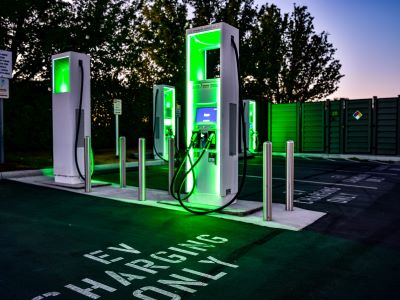
As fleet electrification gains momentum across the public and private sectors, the charging infrastructure needed to support this transition is being developed. The traditional approach to powering electrified fleets often relies solely on connecting chargers directly to the local utility grid. However, peak-hour pricing and the growth of other energy-intensive loads, such as electrified manufacturing and data centers, can increase strain on the grid and make EV charging expensive or even unreliable. A single grid outage caused by extreme weather, aging infrastructure, or high demand can bring charging and, by extension, fleet operations to a standstill. Companies growing their EV fleets must also invest in solutions that support reliable, accessible charging to maximize the cost and environmental benefits of their investment.
How Microgrids Work
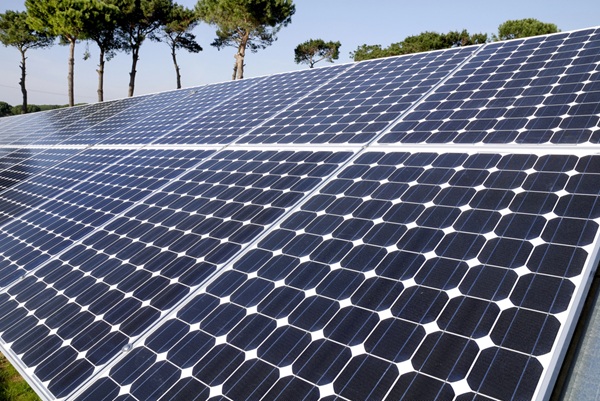
Solar microgrids provide a compelling alternative to grid-connected EV charging. By generating and storing energy on-site, fleet operators gain far greater control over their energy supply. Solar panels generate clean electricity during the day, battery storage systems shift that power to evening and overnight charging windows, and intelligent energy management software ensures charging occurs when it is most efficient and cost-effective. During outages, microgrids can continue to power operations, a critical advantage that mitigates operational disruptions and financial losses that might occur if a fleet cannot be charged. For fleet operators navigating the complexities of electrification, microgrids offer a luring combination of resilience, cost control, and sustainability.
 Beyond reliability, microgrids can offer significant financial benefits. By shaving peak demand, reducing reliance on grid electricity, and leveraging incentives or clean energy financing structures, fleets can achieve real bottom-line gains. One increasingly popular option is the power purchase agreement (PPA), where a third party owns and operates the energy system and sells the energy to the fleet operator at a fixed rate, often lower than utility pricing. With energy prices continuing to rise, locking in a rate now will pay dividends twenty years from now. This model enables organizations to adopt microgrids with minimal upfront capital investment while securing predictable long-term energy costs. Further, working with a comprehensive independent power producer (IPP) to secure a PPA also brings added benefits in the form of ongoing maintenance and operational support for the life of the system.
Case Study: Anaheim Transportation Network
 One standout example of microgrid deployment in fleet operations is the Anaheim Transportation Network (ATN) in Southern California. In April 2024, ATN launched a solar-powered charging hub to support its growing fleet of battery-electric buses. The facility features a 514-kilowatt solar canopy, battery energy storage, and EV chargers, all of which are controlled through a smart energy management platform. The system, funded in part by the California Energy Commission, is backed by a 20-year PPA. The results are compelling: the microgrid provides approximately 25% of the depot’s energy needs and is projected to save ATN $4.8 million in fuel costs over the next two decades. With the system in place, ATN can reliably power over 1.2 million zero-emission miles per year, striving to meet its environmental goals while reducing operational risk.
Get Ahead of the Curve of Fleet Electrification
 As fleets grow more dependent on electrified vehicles, energy strategy becomes an integral part of fleet management. Microgrids represent not just an energy solution, but a long-term infrastructure investment. They align well with broader organizational goals, including climate action plans and budget stability. When properly designed, a microgrid can scale with fleet size, integrate with future technologies, and serve as a resilient backbone for daily operations. Not just a benefit to the facilities where they’re installed, microgrids can support grid stability and the community more broadly by reverting excess generated energy onto the grid.
Fleet electrification is no longer a “someday” initiative – it’s happening now. Microgrids offer a proven path forward, ensuring that the power behind the wheels is as clean, smart, and reliable as the vehicles themselves. This is not a future vision – it’s already being done. And it’s working.