Truemag

  • Newsletters
  • Thought Leadership
  • Mobility
  • Safety
  • Work Trucks
  • Videos
  • Home
  • Subscribe
  • Contact Us
  • Media Kit
  • Who We Are

Some Families Blame Phone Makers for Distracted Driving Deaths

SF Chronicle

Peggy Riggs often warned her children, including 20-year-old son David, about the dangers of texting and driving. In turn, David encouraged his friends never to engage in the practice.

But that message did not get through to the driver who killed David Riggs until it was too late.

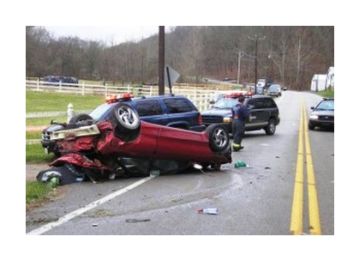
In 2013, David was heading home on his scooter in Minnesota when a teenager in a Honda Civic slammed into him. The teen was distracted by texting on his iPhone, according to a lawsuit filed by Craig Riggs, David’s father.

Craig Riggs holds Apple partly responsible for the tragedy. He sued the company this month, joining several others who have accused the Cupertino company in court of not installing technology that could prevent crashes caused by distracted drivers who lack the self-control to stop toying with their phones when they’re behind the wheel.

“Don’t put another family through this tragedy,” Riggs said in an interview. “We (wake) up every day missing our son. He’s got two brothers and has a niece now he is never going to see.”

The teenage driver who hit David Riggs was convicted of a misdemeanor. He did not respond to a request through his counselor for comment.

Analysts say Apple and other smartphone manufacturers could add technology that forcibly shuts off text messaging and other distracting features for drivers.

“There is no technical reason for why these things aren’t available at this point,” said Douglas Schmidt, a computer science professor at Vanderbilt University.

The manufacturers of the world’s top smartphone operating systems — Google and Apple — have features that prevent texting while driving, but it’s all optional. Besides airplane mode, which lets phone users disconnect from the cellular network, those with iPhones can dictate messages with the voice assistant Siri. Google has an app called Android Auto that lets users access maps and music and send messages with their voices. Experts say, however, that switching to voice commands does not solve the basic problem of distraction.

Both Apple and Google also have features that work with car displays, depending on the type of vehicle.

Distracted driving accounted for 10 percent of deaths caused by vehicle crashes in 2015, killing more than 3,000 people, according to the National Highway Traffic Safety Administration. That year, 391,000 people were injured through incidents involving distracted drivers. About eight percent of the people injured were in incidents that involved distraction by a cell phone, according to the administration.

Apple argues that it shouldn’t be held accountable for such crashes because they were caused by the distracted drivers misusing the technology, not a defect in the iPhone.

Read more of the original article at SF Chronicle.

Apr 17, 2017connieshedron
Easily Identify Troubling OutliersDonlen's Beth Wills to Present "Using Data to Enhance Fleet Policies" Session at NAFA 2017
Recent Posts
  • IMPROVLearning: How Comedy, Behavioral Science and AI Improve Fleet Safety
  • Improving Productivity with AI: Turning Fleet Data into Faster Decisions
  • National Safety Council Projects Increased Traffic Crash Risk during Fourth of July Weekend
  • Keep Every Heavy-Duty Maintenance Inspection on Track — Free Fullbay Checklist
  • Gain Data-Driven Insights into Commercial Vehicle Market Trends at Executive Leadership Summit
  • Last Chance to Save: Register for NAFA’s Maintenance Workshop
  • License Plate Cameras Are About to Start Tracking a Lot More Than Just Your Car
  • America’s Heavy EV Problem May End with Drivers Paying More
  • Trends in U.S. Drivers’ Perceptions and Attitudes Toward Vehicle Automation, 2019–2025
  • 2026 NETS Strength IN Numbers Conference: Early Bird Rates!
ASSOCIATION NEWS
Last Chance to Save: Register for NAFA’s Maintenance Workshop
How AFLA Is Positioning Itself for the Future of Fleet Mobility
‘Raise Your Hand and Get Involved’
NAFA Names 2026 Class of Fellows, Honoring Leaders in Fleet Management
Award Winners Honored at NAFA I&E
2026 NAFA I&E Seeks to Change Perceptions, Invigorate Fleets
NAFA Announces Lineup for Media Day at I&E 2026: Industry Leaders to Showcase the Latest Innovations
TECHNOLOGY
Improving Productivity with AI: Turning Fleet Data into Faster Decisions
Fleet Operations Are Changing – The Industry Needs to Evolve With Them
AI-Powered Vehicle Inspections Move Beyond the Checklist
Motive’s New Workforce Capabilities Aim to Improve Performance, Automate Rewards
AI + Human Insight: Why Fleet Leaders Need Both to Win in 2026
NTSB Finds Automation Overreliance Contributed to Two Fatal Ford BlueCruise Crashes
New AI Assistants Automate Fleet Data Analysis, Decision Making and More
CONFERENCES & WEBINARS
2026 NETS Strength IN Numbers Conference: Early Bird Rates!
AFLA 2026 – Keynotes Announced!
Private Fleets Flex at National Private Truck Council Conference
Free NAFA Webinar: Manage Your Fuel Cost Volatility
Registration Now Open for NETS Annual Conference
Early Bird Pricing for AFLA 2026 – Ending June 1
NAFA Online Seminar: Essentials of Fleet Management
INDUSTRY ANNOUNCEMENTS
Union Leasing Becomes Moventum Fleet Management as 70-Year Company Accelerates into Next Phase
Fleetio Wins Innovations Award at NAFA’s 2026 Institute & Expo
WIFM is heading to NAFA!
Cox Automotive Unveils Cox Fleet, Setting a New Standard for Fleet Uptime Nationwide
AFLA Canadian Fleet Professional of the Year Award: Nominations Open!
NAFA Webinar: Kickoff the 2026 100 Best Fleets Contest on December 4!
Join NAFA’s Free Fleet 101 Live Course

Fleet Management Weekly Newsletter Archive
Access to back issues of the FMW newsletter.

FMW Mobility
How mobility is rapidly changing the fleet management landscape.

Newsletter

Subscribe

FMW Fleet Videos
Video clips of industry leaders speaking on a variety of engaging hot topics in fleet.

2014-2020 © Fleet Management Weekly