(photo: IIHS-HLDI)
By David Harkey, President, IIHS-HLDI

David Harkey
More than a quarter of a century ago, the parliament of Sweden adopted a policy known as Vision Zero. Centered on the goal of completely eliminating fatalities and serious injuries, it was a radical reimagining of what is possible for road safety. The idea has since caught on around the world. Dozens of U.S. communities have adopted Vision Zero goals, and the U.S. Department of Transportation committed to the goal of zero fatalities in the National Roadway Safety Strategy released in 2022.
Many countries and some U.S. communities are making good on their Vision Zero commitments, gradually chipping away at the number of people needlessly killed on the roadways. But in the U.S. as a whole, the goal of zero fatalities has been moving farther and farther out of reach. In 2022, a total of 42,514 lives were cut short on U.S. roads, representing an increase of nearly 30% since 2014. The steepest increases have been among pedestrians, motorcyclists and bicyclists, who together make up 35% of crash fatalities.
 Given that trend, Vision Zero seems like little more than a noble idea. To get to a point where it is a realistic goal, we need an ambitious yet feasible short-term objective. That’s why we at IIHS-HLDI are proposing 30×30 — a 30% reduction in fatalities by 2030. We are asking everyone who cares about reducing the tragic toll of motor vehicle crashes to unite around this idea.
In the decades since the Institutes were formed, huge strides have been made to improve safety on our roads, and the numbers bear that out. In 1975, when the federal government began collecting comprehensive fatal crash statistics, the U.S. saw over 20 road deaths per 100,000 people. By 2014, we had cut that rate nearly in half to 10.3. Lately, however, we have struggled to maintain that progress, and in 2022, there were 12.8 crash deaths per 100,000 people.
The 30×30 vision can help us get back on course. It’s ambitious, but it is achievable, as the experience of other countries shows. Among 29 high-income countries, the U.S. has the highest crash fatality rate — more than twice the average of the other 28. There’s no excuse for the U.S. to lag so far behind.
To understand what pathways toward 30×30 are available, Eric Teoh, our director of statistical services at IIHS, estimated the fatality reduction potential of various actions. As this exercise showed, there are multiple routes we can take toward reducing fatalities by 30%, or nearly 13,000.
 A few major changes could get us most of the way there. For example, a national maximum speed limit of 65 mph would save 3,910 lives. Increasing seat belt use to 100% would help 2,463 people survive their crashes. Reducing the legally allowed blood alcohol concentration for drivers from 0.08% to 0.05% in all states would cut 2,018 fatalities.
Sounds so simple, doesn’t it? But it’s hard to imagine Congress passing a national maximum speed limit like we had decades ago. And no institution has the ability to snap its fingers and get every driver and passenger to buckle up. State legislatures can’t be expected to all change their impaired driving laws instantly.
A more realistic scenario is that we’ll be able to make more incremental progress in each of these areas, reducing speed limits and implementing speed management practices on many roads, promoting better seat belt reminders in vehicles and stricter belt use laws, and reducing the legal limit to 0.05% in a few more states (Utah took that step in 2018).
 Of course, we won’t stop there. We can work toward smaller improvements in many different areas that can add up to substantial progress. For example, getting the 10 cities that have the most fatalities at signalized intersections to install red light safety cameras would save 78 lives a year. Building sidewalks along 10% of urban roads that lack them would cut 232 pedestrian fatalities. Passing all-rider helmet laws in five states with high numbers of motorcyclist fatalities would reduce deaths by 274.
In addition to considering which actions are likely to succeed, we need to find the right people and organizations to lead them. In other words, which stakeholders can contribute to each specific effort? Who has the abilities and influence required? We need champions!
As one among many players on this team, IIHS-HLDI is putting the 30×30 vision at the center of our work. We recently developed our strategic plan for the next five years. In it, we focus on actions we can take within three broad areas — reducing risky behavior, accelerating commercial vehicle safety and extending safety to everyone.
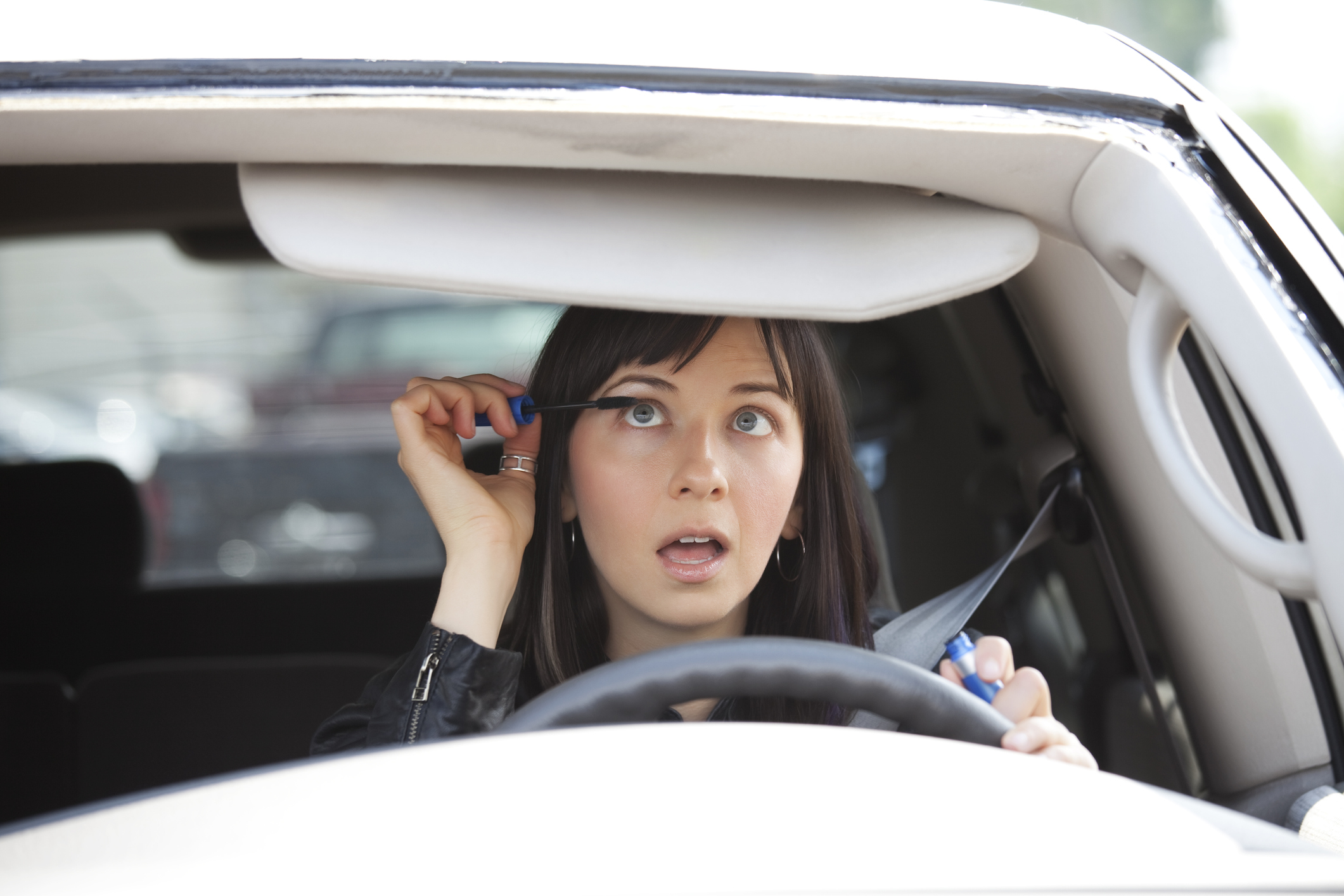 Under reducing risky behavior, we plan to develop tools and research that safety advocates and transportation professionals can leverage to change road users’ behavior. We’ll cultivate partnerships with local and state departments of transportation and others on the ground. And we plan to continue our research on vehicle features that can improve driver behavior such as intelligent speed assistance and driver monitoring systems.
When it comes to commercial vehicle safety, we intend to build on our experience evaluating rear underride guards on semitrailers. We’ll expand those evaluations to side underride prevention and crash avoidance features. We’ll also address the safety of delivery trucks and other commercial vehicles that we see every day in our neighborhoods. Finally, we intend to contribute research to improve commercial vehicle fleet operations and practices.
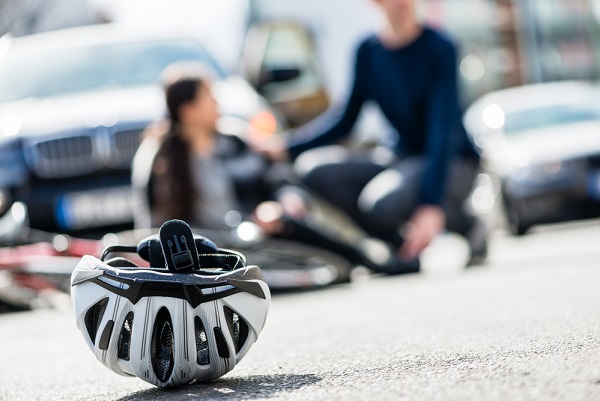 How can IIHS-HLDI advance the goal of extending safety to everyone? Among other things, we plan to expand our crash avoidance testing to cover bicyclist crashes and more pedestrian scenarios and to continue our research on how vehicle characteristics affect pedestrian injury risk. New research on infrastructure and policies to protect pedestrians is also part of our plan.
The tasks we have laid out for ourselves will channel the Institutes’ strengths into progress toward 30×30, but we cannot accomplish this aspirational goal alone. Confronting the road safety crisis requires all hands on deck, now more than ever. We challenge all our partners — other research organizations; advocacy groups; state, local and federal policymakers; vehicle manufacturers; transportation engineers; public health and safety officials; law enforcement; and insurers — to think about what they can contribute. We stand ready to work together to achieve 30×30 and embark on a sustainable path toward zero fatalities.
-Reprinted from original article on IIHS-HLDI website