By Joan Benore, Vice President, Benore Logistic Systems
August 6, 2025
The logistics industry is facing a continuous challenge: a huge labor shortage is making it increasingly difficult to meet timelines and demand and build a resilient, long-term workforce. With an aging driver population and high turnover, finding and keeping talent has become mission critical.
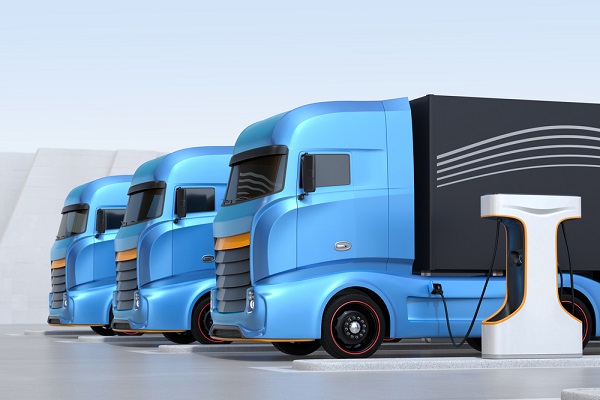 To move forward, the industry must attract a new generation of drivers. As fleets modernize, companies are rethinking who’s behind the wheel as they try to build their fleet of drivers. Electric vehicle (EV) trucking comes with new tools, training, and routines, so the industry needs drivers who are willing to meet this challenge. The shift is as cultural as it is mechanical.
Younger CDL drivers are often more open to this change. They’re generally more comfortable with emerging technology and are eager to adopt new ways of working. But how do you capture – and keep – their attention?
Every company has a different ideal driver. If long, overnight hauls are standard, candidates with young families might not be the right fit. If you’re regularly integrating new technology, you’ll need drivers who are tech-savvy, agile, and eager to learn.
 Understanding your target audience is key to developing effective hiring strategies. For younger candidates, incentives like sign-on bonuses and flexible shifts are often more appealing than traditional benefits like 401(k) plans alone.
It’s also important to highlight what makes the job exciting. What will motivate someone to wake up and want to do this every day? Emphasize growth, learning opportunities, and the chance to work with cutting-edge technology. No matter where you are, communication between operations and each driver is key.
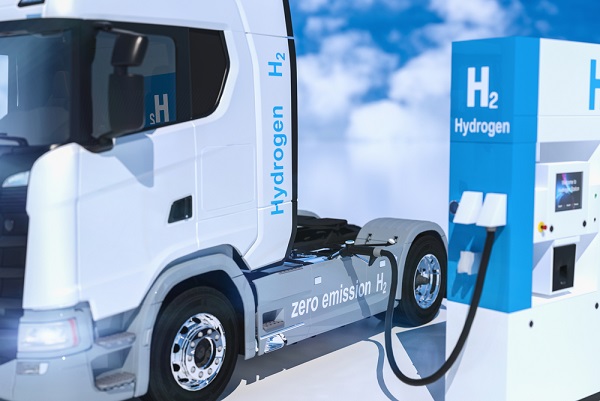 Have you recently introduced new technology to your fleet? Promote the benefits and new possibilities that the technology brings. For example, hydrogen fuel cell trucks are a relatively new innovation. Lighter than EV batteries, they allow for heavier payloads and are ideal for industrial cargo. For next-gen drivers, being among the first to work with this technology is an exciting opportunity and a strong recruitment tool.
On the flipside, electric vehicles are the most efficient and cost-effective to people in short-haul or regional delivery applications. They offer smoother, quieter rides with no exposure to harsh diesel fumes, and the cabs themselves stay cooler, especially in traffic. Fewer moving parts equals fewer breakdowns, repairs, and challenges for drivers.
Attracting talent also requires that you make your company worth working for. What policies or perks set you apart? Features like no-touch freight make a driver’s day-to-day life easier and cut down on burnout. It’s critical to show potential new hires that your company values their time, effort, and well-being. Consider your potential employee’s position and help them feel confident that a job will give them just as much as they give to it.
 At Benore Logistic Systems, Inc., we created drive4benore.com, a central webpage that clearly outlines the benefits of working for our company as a driver. Interested parties can dive into not only our benefits, but our policies and fleet details to see if it aligns with what they’re looking for. This helps candidates quickly understand whether we’re a mutual fit, streamlining the recruitment process and encouraging more direct engagement.
The labor shortage is a significant hurdle, but it’s not insurmountable. By understanding your ideal candidate, emphasizing your company’s strengths, and presenting the role as a future-focused opportunity, you can connect with the next generation of drivers and build a stronger, more resilient workforce.
About the author
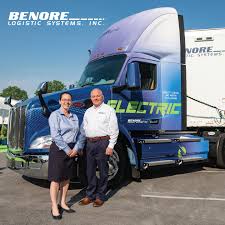 Joan Benore (in photo, on left), Vice President at Benore Logistic Systems, Inc., has helped shape the company from its beginning over three decades ago. Thanks to her involvement, Benore Logistic Systems, Inc. and their devotion to quality and attention to service has grown the company into a full-service supply chain management provider with operations throughout the United States. Joan is involved in the Southern Automotive Women’s Forum (SAWF).