By Juice Americas
January 31, 2023
Leading EV Futurist Lars Thomsen says EV supply chain issues in the U.S. will level out, making a more bullish EV market with expanding vehicle model options and technical advancements that make EVs more practical.
After a difficult year dealing with electric vehicle (EV) availability and supply chain shortfalls, the U.S. EV market will rebound in 2023 and beyond, predicts Lars Thomsen, a world-recognized futurist speaking on behalf of Juice Americas Inc., the U.S. subsidiary of Swiss-based Juice Technology AG – the market leader in portable chargers for electric vehicles (EVs). Consumers will have more model options to choose from and efficiencies in batteries and charging will continue to expand making EV adoption more attractive.
Thomsen, who is considered one of the most influential experts on the future of energy, mobility and smart networks, sees a number of factors driving EV adoption. “The Inflation Reduction Act and high gas prices, along with a lot of new compelling products across the board, have created a new momentum for the EV adoption in the U.S.,” says Thomsen. “In many segments, EVs are the better choice for vehicles, not just for ecological, but also for economical and performance considerations. EV charging infrastructure is expanding as well in the U.S. but needs to catch up with the speed of rising demand.”
Five key trends Thomsen says will influence EV adoption in 2023 and beyond are:
EV Affordability. More affordable, mid-priced, mid-range EVs using cheaper and less critical material burdened LFP-Battery-Technology will enter the U.S. and European markets. China will quickly become one of the biggest export countries for these types of vehicles, driving availability up. By the end of 2023 EV sales will increase 25%, and double that number over the next two years.
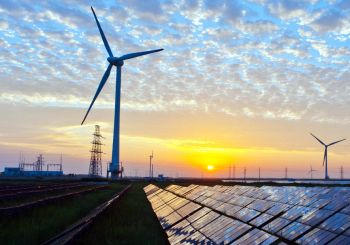 Economical Energy. Near term, electricity and gas prices have risen, but long term, the trend towards more renewable forms of electricity generation will continue. Over time energy costs will decline by using renewable energies and “smarter” energy grid management. This will benefit e-mobility adoption.
Global competition. China will change from an importing to an exporting country for automobiles, increasingly taking market share in Europe, the U.S., Asia, Oceania, and India. China could gain up to 20% market share by 2027. In key components such as battery, electronics, AI and autonomous driving, the Chinese seem to be not only further ahead, but faster. Numerous classic OEMs in Europe and the USA will have a hard time competing against this opponent. For the EV consumer it means more choices, and more technical innovations – a purchasing incentive.
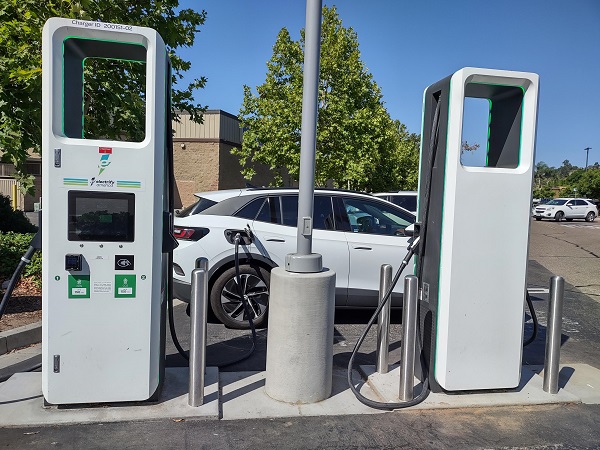
Charging Advancements. Driving an EV is getting even easier. Along with improved battery longevity, the charging infrastructure and charging options are making strides. Both charging times and charging rates are going up. We already see the parity point at which long trips can be done in about the same time as with ICE vehicles, where the drivers and passengers will require more time for their breaks, meals, and rest stops than the EV needs to recharge. For example, charging times at DC-Fast-Chargers will hit about 20 Minutes from 10% to 80% State of Charge (SoC) for most new vehicles, coming very close to the effective time ICE vehicles typically spend at gas stations and on long trips. Also, EV owners have the option of portable chargers they can use at home or on the road to supplement fixed charging stations.
Vehicle Practicality. Efficiency innovations are increasing range, charging performance and usability of EVs as a better and cheaper option for most driving needs and profiles. Almost all new EVs now allow for road tripping of 600+ miles per day with two meal/charging stops in between. As a daily commute vehicle, most individuals will need no more than a single charging session of less than 30 minutes per week – for less than half the cost it would take to fill up with gas.
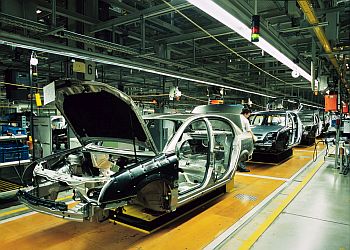 Increased global competition and innovation and price options will drive the EV market growth over the next decade. However, aligning supply and demand continues to be a challenge. “Right now, demand for EVs exceeds most production capacity of many manufacturers and adds to their need for critical parts over the next two years,” says Thomsen.
In parallel, Thomsen says, charging infrastructure will have to keep pace with EVs. “The demand in all three areas of charging infrastructure (highway, destination, and home) is rising exponentially. Suddenly, money is to be made by building up public charging infrastructure, because there are customers that use and pay for it. This changes the game: We believe there will be a race for the most lucrative and best solutions that will turn a profit.”