Truemag

  • Newsletters
  • Thought Leadership
  • Mobility
  • Safety
  • Work Trucks
  • Videos
  • Home
  • Subscribe
  • Contact Us
  • Media Kit
  • Who We Are

Future Cities Could Run On Shared Fleets of Electric Self-Driving Cars

Fortune

Coming to a city near you in 2030.

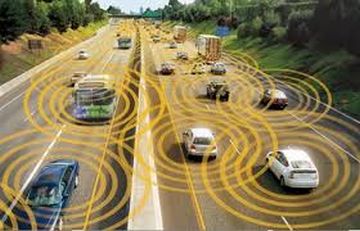
Over the coming decades, a dozen dense and developed cities may aggressively use shared fleets of electric and self-driving cars that could be summoned to pick up passengers and shuttle them to offices and stores.

Such cars, which could carry anywhere from two passengers to 20 passengers, could cost less to use and be more convenient than owning a car, according to a new report from the research firm Bloomberg New Energy Finance on Tuesday.

Cities with the greatest potential for such futuristic urban transportation include London, Shanghai, and Singapore. These cities generally have high incomes and GDP, dense populations, and a history of investing in new, public infrastructure.

New transportation options could effect how cities are planned, requiring fewer parking places and more zones for picking up passengers and dropping them off. It could also increase how much people travel—because of its lower cost and convenience—by up to 30% more miles.

Not all cities will develop such futuristic urban transportation. In contrast, the report predicts two other possible scenarios for how electric cars, autonomous vehicles, and ride sharing will affect cities.

Cities in developing countries like Delhi and Mumbai will likely rely less on autonomy, and continue to rely on human drivers due to the low cost of labor and lack of investment in roads that self-driving cars would need. But these cities will look to car sharing and electric vehicles to help lower traffic congestion and reduce pollution.

Another scenario is that private cars will remain king for decades in cities with a lot of urban sprawl like some in Europe and in North American suburbs. Cars there may be self-driving and electric, but they won’t be as readily shared.

The combined impact of electric cars, car sharing, and autonomous vehicles will utterly change urban transportation, the report says, echoing the statements of GM’s CEO Mary Barra last week. Barra also added connectivity to the list of possible major changes to transportation and noted that sharing could potentially be more disruptive to GM than electric cars or autonomous vehicles. GM has invested in ride sharing company Lyft and recently bought autonomous vehicle tech company Cruise Automation.

Other automakers and ride sharing companies have been focusing on these technology trends for a while. Uber has a fleet of self-driving cars in Pittsburgh while Tesla’s Elon Musk laid out his vision of shared autonomous electric vehicles earlier this summer.

The Bloomberg New Energy report found that the combined impact of these trends could be really powerful. For example, sharing cars could make electric cars more cost effective, because the cost of ownership is less when cars are used more intensively by multiple people.
 

Nov 6, 2016connieshedron
The Four Step Process for Quality Customer Service -- Part 4Feds Launch Alt-Fuel Highway Network
Recent Posts
  • Why Case Studies Close More Deals Than Product Brochures
  • California Just Became the Best Place to Buy a Brand-New EV
  • AFLA Membership Growth: Mary Saunders on Engagement, Volunteerism, and the Value of Connection
  • The Fleet Manager’s Breaking Point: Why AI Must Do More Than Advise
  • Four More Models Take Home Top Safety Pick+ Awards in Latest IIHS Ratings
  • Ford Can Now Stop Some Vehicles Starting, Even with the Key
  • All New Cars in the EU Now Need to Have a Camera Aimed at the Driver’s Face in the Latest Privacy Nightmare
  • WEX Grows EV Charging Network with Greenlane, Synop, and QuickCharge CPO Integrations
  • Moventum Fleet Management is Here!
  • WEX DriverDash Adds CITGO to Mobile Fuel Payments for Fleets
ASSOCIATION NEWS
AFLA Membership Growth: Mary Saunders on Engagement, Volunteerism, and the Value of Connection
How AFLA Is Positioning Itself for the Future of Fleet Mobility
Last Chance to Save: Register for NAFA’s Maintenance Workshop
‘Raise Your Hand and Get Involved’
NAFA Names 2026 Class of Fellows, Honoring Leaders in Fleet Management
Award Winners Honored at NAFA I&E
2026 NAFA I&E Seeks to Change Perceptions, Invigorate Fleets
TECHNOLOGY
The Fleet Manager’s Breaking Point: Why AI Must Do More Than Advise
All New Cars in the EU Now Need to Have a Camera Aimed at the Driver’s Face in the Latest Privacy Nightmare
The Grid Was Melting Down in Last Week’s Heat – Until EVs Came to the Rescue
Improving Productivity with AI: Turning Fleet Data into Faster Decisions
Hyundai Unveils New ‘Plasma Care UVC’ Cabin Sanitizer
Fleet Operations Are Changing – The Industry Needs to Evolve With Them
AI-Powered Vehicle Inspections Move Beyond the Checklist
CONFERENCES & WEBINARS
For The Leaders In The Room
2026 NETS Strength IN Numbers Conference: Early Bird Rates!
AFLA 2026 – Keynotes Announced!
Private Fleets Flex at National Private Truck Council Conference
Free NAFA Webinar: Manage Your Fuel Cost Volatility
Registration Now Open for NETS Annual Conference
Early Bird Pricing for AFLA 2026 – Ending June 1
INDUSTRY ANNOUNCEMENTS
Union Leasing Becomes Moventum Fleet Management as 70-Year Company Accelerates into Next Phase
Fleetio Wins Innovations Award at NAFA’s 2026 Institute & Expo
WIFM is heading to NAFA!
Cox Automotive Unveils Cox Fleet, Setting a New Standard for Fleet Uptime Nationwide
AFLA Canadian Fleet Professional of the Year Award: Nominations Open!
NAFA Webinar: Kickoff the 2026 100 Best Fleets Contest on December 4!
Join NAFA’s Free Fleet 101 Live Course

Fleet Management Weekly Newsletter Archive
Access to back issues of the FMW newsletter.

FMW Mobility
How mobility is rapidly changing the fleet management landscape.

Newsletter

Subscribe

FMW Fleet Videos
Video clips of industry leaders speaking on a variety of engaging hot topics in fleet.

2014-2020 © Fleet Management Weekly