Truemag

  • Newsletters
  • Thought Leadership
  • Mobility
  • Safety
  • Work Trucks
  • Videos
  • Home
  • Subscribe
  • Contact Us
  • Media Kit
  • Who We Are

Fuel-Cell Vehicles Need More Time, Says Toyota Chairman

The Detroit Bureau

Fuel-cell vehicles will take longer to popularize than other recent green car technologies, such as hybrids, the chairman of Toyota Motor Corp. said during a speech at the World Economic Forum in Davos, Switzerland.

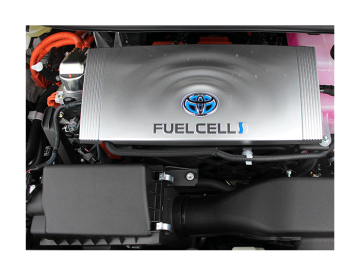
The Japanese automaker has been an active proponent of hydrogen power, last year launching in the U.S. its first retail fuel-cell vehicle, the Toyota Mirai. There are now two other FCVs on the market, including the Honda Clarity and a version of the Hyundai Tucson, with several other automakers expected to bring their own models to market over the next several years.

But while public acceptance of the original hybrid-electric vehicle, the Toyota Prius, was “much faster than we had anticipated,” Takeshi Uchiyamada told a reporter for Bloomberg news, that’s not likely to happen with vehicles like the Mirai, the chairman said, because “the infrastructure needs to be prepared before it becomes major in the market.”

The challenge is not entirely unlikely that the auto industry has faced trying to market plug-based electric vehicles. As they began coming to market early in the decade there was a dearth of public charging facilities and relatively few consumers could do more than plug their vehicles into standard – and slow – 120-volt outlets.

There are only a handful of hydrogen pumps in the U.S., meanwhile, and the vast majority of those are concentrated in three parts of California: Orange County, the San Francisco Bay Area and around the capital in Sacramento.

But while the number of public charging stations is rising fast – including new, Level 3 quick chargers – the pace at which new hydrogen stations are opening has lagged, even after lawmakers in California set aside funds to develop a statewide network.

Toyota has been one of the most active proponents of fuel-cell technology – which combines hydrogen gas with air from the atmosphere to produce a supply of current. In turn, that can be used to power the same electric motors found in a battery-car.

In part, that has reflected the Japanese giant’s skepticism about lithium-ion battery technology. Until recently, Toyota focused on old nickel-metal hydride batteries, like those used in the original Prius. But it adopted lithium for use in its new Prius Prime plug-in model, and last month announced that it would expand its range of plug-based models in the coming years.

Read more of the original article at The Detroit Bureau.

Jan 22, 2017connieshedron
Why Driver Training Often FailsMake Drivers Great -- Again and Again
Recent Posts
  • IMPROVLearning: How Comedy, Behavioral Science and AI Improve Fleet Safety
  • Improving Productivity with AI: Turning Fleet Data into Faster Decisions
  • National Safety Council Projects Increased Traffic Crash Risk during Fourth of July Weekend
  • Keep Every Heavy-Duty Maintenance Inspection on Track — Free Fullbay Checklist
  • Gain Data-Driven Insights into Commercial Vehicle Market Trends at Executive Leadership Summit
  • Last Chance to Save: Register for NAFA’s Maintenance Workshop
  • License Plate Cameras Are About to Start Tracking a Lot More Than Just Your Car
  • America’s Heavy EV Problem May End with Drivers Paying More
  • Trends in U.S. Drivers’ Perceptions and Attitudes Toward Vehicle Automation, 2019–2025
  • 2026 NETS Strength IN Numbers Conference: Early Bird Rates!
ASSOCIATION NEWS
Last Chance to Save: Register for NAFA’s Maintenance Workshop
How AFLA Is Positioning Itself for the Future of Fleet Mobility
‘Raise Your Hand and Get Involved’
NAFA Names 2026 Class of Fellows, Honoring Leaders in Fleet Management
Award Winners Honored at NAFA I&E
2026 NAFA I&E Seeks to Change Perceptions, Invigorate Fleets
NAFA Announces Lineup for Media Day at I&E 2026: Industry Leaders to Showcase the Latest Innovations
TECHNOLOGY
Improving Productivity with AI: Turning Fleet Data into Faster Decisions
Fleet Operations Are Changing – The Industry Needs to Evolve With Them
AI-Powered Vehicle Inspections Move Beyond the Checklist
Motive’s New Workforce Capabilities Aim to Improve Performance, Automate Rewards
AI + Human Insight: Why Fleet Leaders Need Both to Win in 2026
NTSB Finds Automation Overreliance Contributed to Two Fatal Ford BlueCruise Crashes
New AI Assistants Automate Fleet Data Analysis, Decision Making and More
CONFERENCES & WEBINARS
2026 NETS Strength IN Numbers Conference: Early Bird Rates!
AFLA 2026 – Keynotes Announced!
Private Fleets Flex at National Private Truck Council Conference
Free NAFA Webinar: Manage Your Fuel Cost Volatility
Registration Now Open for NETS Annual Conference
Early Bird Pricing for AFLA 2026 – Ending June 1
NAFA Online Seminar: Essentials of Fleet Management
INDUSTRY ANNOUNCEMENTS
Union Leasing Becomes Moventum Fleet Management as 70-Year Company Accelerates into Next Phase
Fleetio Wins Innovations Award at NAFA’s 2026 Institute & Expo
WIFM is heading to NAFA!
Cox Automotive Unveils Cox Fleet, Setting a New Standard for Fleet Uptime Nationwide
AFLA Canadian Fleet Professional of the Year Award: Nominations Open!
NAFA Webinar: Kickoff the 2026 100 Best Fleets Contest on December 4!
Join NAFA’s Free Fleet 101 Live Course

Fleet Management Weekly Newsletter Archive
Access to back issues of the FMW newsletter.

FMW Mobility
How mobility is rapidly changing the fleet management landscape.

Newsletter

Subscribe

FMW Fleet Videos
Video clips of industry leaders speaking on a variety of engaging hot topics in fleet.

2014-2020 © Fleet Management Weekly