By Jillian Grenier, Assistant Director, Fleet Products at Merchants Fleet
December 6, 2023
Containing fuel spend may seem like an ongoing challenge for organizations and businesses — and with good reason.
The U.S. Energy Information Administration’s gasoline and diesel fuel update shows that while fuel prices seem to have steadied overall, on-highway diesel fuel costs, as a whole, have increased over the past year. The highest recorded price for diesel was $5.81 in June 2022.
You can’t regulate fuel prices, but there are some factors you can control to maintain operations and optimize fleet fuel efficiency, which is where the importance of a fleet fuel card comes in.
What Is a Fuel Card?
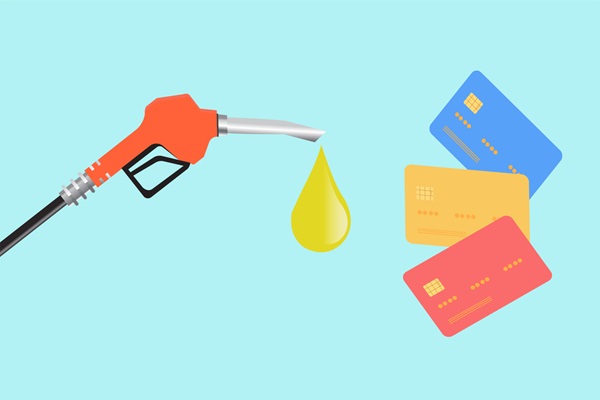
A fuel card, also known as a fleet card, is an authorized form of payment that allows drivers to buy fuel within a network of pre-approved gas stations. One of the major benefits of a fuel card is the cost savings. With a network of fuel providers, you have the ability to see who is offering the best price on fuel in-network. You can also control fuel spend by controlled purchasing profiles.
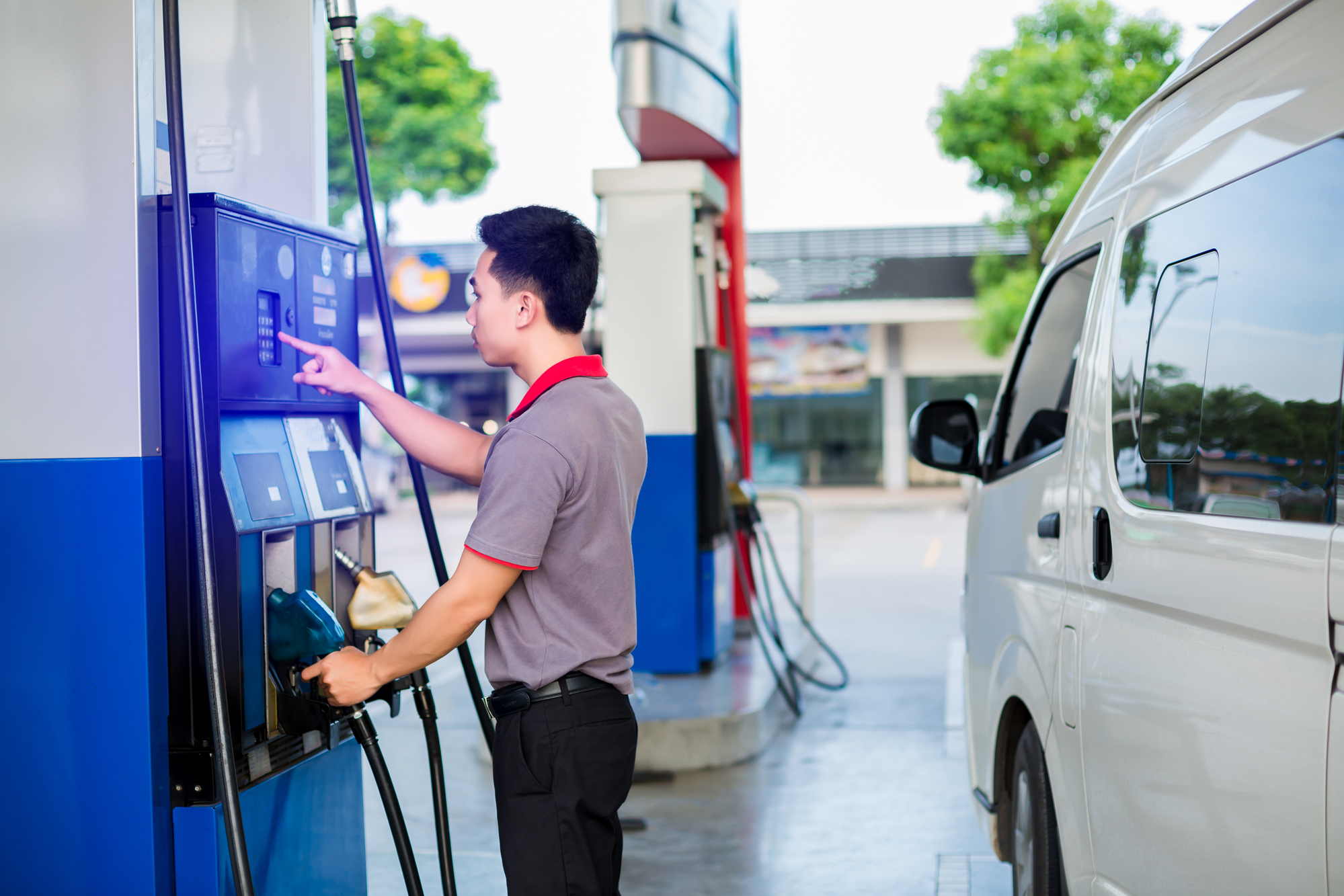 The cards also collect detailed data on fuel purchases, including vehicle odometer information, and how often the cards are used — helpful information that fleet managers can use to project budgets and make efficient business decisions.
In addition, many fuel cards feature customized controls that help control driver spend and add a level of security and fraud prevention by eliminating the corporate credit card from fuel purchases.
How Do Fuel Cards Work?
Fuel cards essentially work like ATM or bank cards. A driver uses the card at an authorized gas station, and if they have a universal fuel card, which we’ll explain in a minute, they can go to any location to fill up. The driver will swipe the card and will also need to enter a unique PIN number or driver ID number.
Fuel Cards vs. Credit Cards
Yes, they are similar — but the cards have distinct differences. Fuel cards are typically authorized through major credit card platforms,  but drivers can only use them for fuel-related purchases, such as fuel, car washes, and other approved purchases. If the driver attempts to use the card for any other reason, it will be declined.
In addition to capturing transaction data, fleet managers can use fuel cards to obtain odometer readings and driver identification information. They also provide access to reporting, analytics, and real-time alerts around fuel usage and consumption. Credit cards, on the other hand, do not have those types of restrictions.
Three Types of Fuel Cards
There are three main types of fuel cards — branded, fleet, and universal. The type of card you choose is the one that makes the most sense for your business. Let’s examine the specifics of each:
- Branded fuel cards are issued by specific fuel companies. Examples include Shell, ExxonMobile, BP, and others. These types of cards typically offer purchase incentives and feature an introductory annual percentage rate (APR) or low (or no) fees. Fleet managers have online access with basic transaction limits and controls. One of the major limits is that these cards are only accepted at specific brands. This can be a benefit, however, if your business is loyal to a specific fuel brand or there are many locations of that brand nearby.
- Fleet cards are ideal for commercial fleets that want more reporting and controls. Drivers aren’t limited to a specific fuel brand. Flexible payment options are available, in addition to real-time notifications and online access and reporting. Fleet cards don’t typically have introductory APR offers and are limited to fuel spending.
- Universal cards are the closest thing to a credit card. They allow for more flexibility in terms of non-fuel purchases, and fleet managers often have the ability to turn the cards on and off (or change profiles) in real time. Companies that issue universal cards may waive any monthly fees if fleet managers reach a certain spending amount. Universal fleet cards are a good choice for commercial fleets that are looking to purchase items or services beyond fuel and related maintenance.
Five Tips for Implementing Fuel Cards into Your Fleet
Ready to get started? Keep these important tips in mind:
- Research the pros and cons of the different fuel card types.
Do your homework. As we explained in the previous section, each type of fuel card offers a variety of advantages, but there are some limits and disadvantages. In general, branded and fleet cards are best for small businesses. If you are the sole proprietor, or your business only uses one or two vehicles, you may want to opt for a business credit card, which offers more flexibility than a fuel card.
- Understand the security features.
Just like credit and debit cards, fuel cards are subject to being lost or stolen. Make sure these cards are set up so that drivers must enter their pin number or ID code for every transaction. You can also set up purchase limits and alerts.
- Set the right controls from the start.
One of the major benefits of a fuel card is the ability to set specific controls. Do you have a fleet with different types of vehicles and fuel capacities? This might require different purchasing profiles and limits. In the event of an emergency, does the card allow drivers to override purchasing limits?
- Make sure you correctly assign your fuel cards.
Once you’ve settled on the right type of fuel card, it’s equally as important to make sure they are properly assigned and distributed.
Here are a couple of important questions to consider:
- Will the cards be assigned to individuals or specific vehicles?
- Will you assign a specific pin number to a driver that can be used with any fuel card?
- Consult the experts if you aren’t sure where to begin.
There are a lot of options when it comes to fleet fuel cards. Companies and organizations have to weigh the pros and cons of each, in addition to investigating important features such as security, customer service, how the card captures fuel data, whether the cards offer mobile account access, fees, and more.
If you’re having difficulty trying to decide on a card, or you aren’t sure where to start, consult a fleet management company or an unbiased third party that can help you make the right decision.
At the end of the day, a fuel card is one of the best investments you can make to help maintain your bottom line. You can’t control fuel prices, but there are steps you can take to save as much money as possible when it comes to vehicles and transportation, and a fleet fuel card can help.
About the author
 Jillian Grenier has been with Merchants Fleet for more than eight years. In her current role as Assistant Director of Fleet Products, Grenier assists in overseeing the operational execution of some of Merchants’ core products, including fuel, driver safety, accident management, toll management, and more. She graduated from Southern New Hampshire University with a bachelor’s degree in advertising and marketing. Before joining Merchants, Grenier spent nearly a decade in the financial sector.