By Divya Brinley, Senior Product Manager, Driivz
December 17, 2025
There were gains in 2025 in the electric vehicle market in the US and globally with record shattering consumer electric vehicles sales this fall. And yet, obstacles to widespread electric fleet adoption continue to persist. Grid capacity constraints, charging infrastructure costs and delays, and other operational issues that come with electric vehicle fleet deployment all remain top-of-mind.
Just last year, Driivz penned an article in Fleet Management Weekly that broke down the key factors fleet operators should consider before embracing electrification and electric vehicle adoption. While those considerations still stand, electric vehicle fleet operators that are eager and ambitious can be creative, by approaching complex problems with modern solutions.
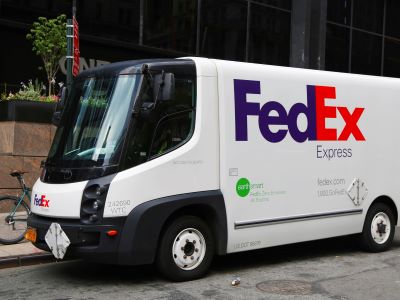 Take major operators like FedEx for example, who have deployed roughly 8,000 electric vehicles to their fleet to date. One way they can continue expansion of their EV Last Mile Delivery fleets without having to invest both time and money into EV fleet charging infrastructure hubs is by embracing home charging support.
Home charging support for EV fleets provides more than just a stop gap measure until large charging hubs come online. It gives both flexibility and savings to fleet management operators looking to make gains on the margins, in a time where every dollar counts.
Home Front Flexibility
EV fleet operators must be hyper focused on two things: streamlining logistics and keeping routes on time. By embracing a home charging support model, operators are able to accomplish those goals seamlessly, without the obstacles that come with the longstanding hub station model with the ICE fleets.
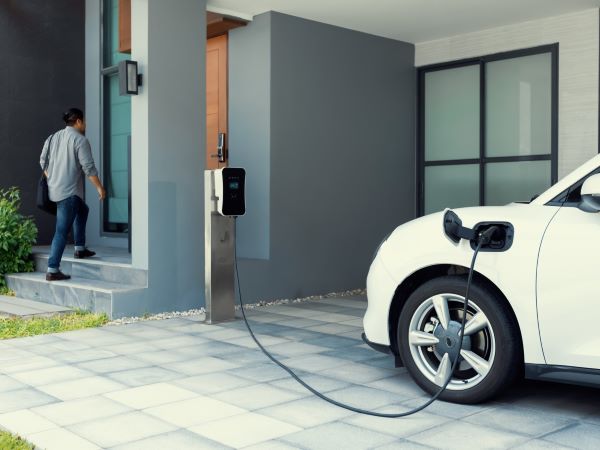 Fleet management operators are able to maintain complete control over home charging through a charging management software platform as they would with having employees return electric fleet vehicles to a centralized charging hub. This gives fleet operators the power to reimburse drivers and ensure transparency at each charging session while at home.
Meanwhile, drivers can lower their home charging costs by optimizing expenses through utility tariffs and choosing to charge during off-peak hours. That’s a win-win approach that also provides the same data and analytics fleet management operators would use in a charging hub setting to monitor battery and vehicle health.
At-home charging is an emerging option that fleet operators have at their disposal to diversify how they roll out and advance electric vehicle fleet adoption without disrupting fleet operations. Rather than being forced to focus on the sometimes costly, and often heavily red-taped fleet charging hubs, home charging support gives options to a sector that sees both the benefits to the bottom line and the environment.
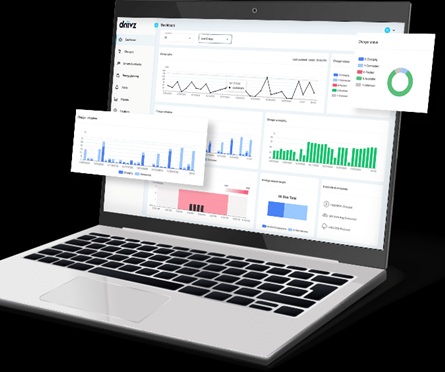 Properly implementing and managing at-home fleet charging requires smart energy management software. Smart energy management with at-home charging creates scheduled charging and allows drivers and their companies to take advantage of off-peak utility tariff rates, which help reduce energy costs across the board. This allows drivers to leave the home with a full charge at optimal costs, every time.
Smart energy management software also creates visibility. Just like at a charging hub or fleet company-owned site, fleet managers must be able to see their vehicles and charging status. Fleet managers are also able to provide reimbursement under the same platform; this prevents adding additional workflows to fleet managers’ already full plates.
On the Road Again
While obstacles remain for fleet operators in electrification, they are becoming easier to address, overcome, and bypass. Infusing new charging dynamics, such as support for at-home charging for EV fleets provides both a boost to operational efficiency and cuts costs and the need for budget allocation to major infrastructure. It also keeps fleet owners and operators steadily focused on the continued adoption of electric vehicle fleets, without having to sacrifice speed of deployment.
 About the author
Divya Brinley is a Senior Product Manager for EV Charging Software provider Driivz. Divya has over 15 years of software development and technical engineering experience, bringing the latest developments in EV charging innovations to life.