How is PHH helping fleets take costs out of their operation?
I believe it’s the same for all industries; to be sustainable, processes are required to make operations as efficient as possible. It’s no different in the fleet industry. We want to help fleets be as efficient as possible. And when I say the fleets I am talking about the assets themselves, the drivers and the fleet managers. For many years we have been focused on continuous improvement at PHH and we have established a zero defect approach to everything we do. We look at every process that we do on behalf of customers and find opportunities to drive the defects out of the process. I don’t know of any service industry that gets to zero defects across the board, but that is where PHH strives to get to. We want to make that fleet as efficient as possible so when a driver calls PHH they only have to call one time – no follow up necessary as we handle it from a “first call does it all” approach.
We continue to build processes to drive defects out of everything we do to increase efficiency, so the drivers of those vehicles and those assets can focus on just what the company wants them to focus on. In support of operations efficiency PHH continues to invest in technology that allows us to automate some of the processes and the flow of the processes. We have quality experts embedded in the departments and their role is to look at things from a customer’s standpoint, end to end, and make sure that the measurements tools that we have in place are in fact making it as efficient as possible for our customers.
And finally, we are constantly looking at the processes to make sure that we are as efficient as possible in servicing our customer’s fleets. Everything PHH does is done from a customer’s perspective.
As we see a shift in the fleet industry to more service vehicles, what are some of the initiatives that PHH has implemented to assist clients in efficiently managing complex vehicles?
PHH acquired FirstFleet, based in Fort Lauderdale, Florida, and the organization continues to be a great addition to the team. FirstFleet operates in the heavy-duty space and provides complex fleets with data and data analytics to provide consultation back to those fleets in terms of identifying ways for them to take out costs, reduce fuel costs; all of those kinds of things that drive a cost in a fleet. With some modification, PHH applies the same tools and technology with the small and medium duty fleets within our portfolio.
Furthermore, PHH has invested additional client-facing team members out in the field who really understand FirstFleet. We have truck engineers that are located around the country and their role is to help the clients make sure they are picking the right vehicle for the usage for their fleet that meets DOT requirements, that meets the clients’ objectives around green initiatives, and all the things the client wants to accomplish. The team works hard and smart to know as much about the client and what they are trying to accomplish as the client does themselves.
What are fleets telling you that their biggest issues are?
Fleets are looking to drive costs down and become more efficient. They want more data and more high-level consultation around what they can do to truly drive major changes in their fleet to improve their fleets from what they are today. All fleet companies have years and years of collected data, however, we are at the tip of the iceberg in terms of how much data can be collected, processed and analyzed to drive efficiencies in fleets. More consultation using the right data in the right way – it’s probably the number one area of what customers want.
Next, all companies are looking for partners and service-providers that are easy to do business with. Fleet managers today have a lot of responsibilities; 15 to 20 years ago they may have just managed fleet, whereas today many of them manage multiple functions within their organization. PHH has major initiatives and investments that make it much easier for the customer, the driver or the fleet manager to do business with us and heavily rely on us for much of the day-to-day operations.
What excites you about this industry?
Technology, absolutely technology and what it can do for the industry. About eight years ago, PHH’s senior leadership team discussed the industry, future trends and the products and services that we needed to develop to meet the needs of our customers. Just after is when we launched our telematics product, the first fleet management company to roll out such a program. When you are the first company in the market with something, you are investing a lot of dollars, which we did.
Although adoption of telematics was slow during the years, the flood gates have now opened. Clients want to know about telematics because they can see the potential of benefits from what telematics can do: drive fuel costs down, reduce maintenance and maximize productivity of those vehicles out in the fleet. It’s a huge opportunity in terms of the next productivity for fleets.
The other aspect around technology is what the motor companies are doing. I recently read an article that stated motor companies predict there are going to be vehicles that can drive themselves in stop-and-go traffic, between the years of 2020 and 2025. What does that mean for fleet companies? Fleet companies make money when things go wrong, when accidents happen and when major maintenance transactions need to occur. Fleet companies need to change the products and services they are offering the customer if in fact the motor companies are successful in making those vehicles so safe that those accidents don’t happen.
When I think about what PHH offers, and has on the horizon, in the space of technological advancements – what’s being made and being developed and what that can mean for the industry – it’s a great time to be in the industry and I’m excited about the future.
BIO
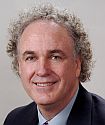
Thomas W. Keilty
Chief Operating Officer and Senior Vice President, Customer & Vehicle Services
As COO, Keilty is responsible for operations in the United States and Canada. He joined PHH in 1995 and his leadership responsibilities grew steadily. He was vice president in the Customer & Vehicle Services organization prior to his promotion to senior vice president. In 2009, he was promoted to chief operating officer.