Truemag

  • Newsletters
  • Thought Leadership
  • Mobility
  • Safety
  • Work Trucks
  • Videos
  • Home
  • Subscribe
  • Contact Us
  • Media Kit
  • Who We Are

City of Denver Commits to Adding 200 Electric Cars by 2020

Denver Post

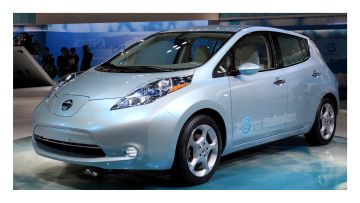
The city of Denver plans to add 200 plug-in electric vehicles to its fleet by 2020, saving the city an estimated $800,000 over the next decade and cutting 2,300 metric tons of greenhouse gas emissions over the cars’ lifetimes.

The city said it will start replacing its out-of-service cars with the more sustainable alternative in 2018, said Tyler Svitak, energy and transportation administrator with Denver’s Department of Environmental Health. Denver currently has three electric vehicles in its fleet.

“Ultimately, it’s going to have a lot of benefits for the city,” Svitak said. “Both financially and from the environmental perspective, it puts the city in a leadership position.”

Denver is among 24 state and local governments joining the Obama administration to boost public and private investments in plug-in electric vehicles, according to a White House statement.

Mayor Michael Hancock said in a statement that the electric vehicles will help move Denver closer to its 2020 Sustainability Goals.

The Obama Administration’s recent push to add clean cars to the roads comes as more electric models are released, battery costs decline and charging stations continue to pop up. In Colorado, the number of registered electric vehicles grew to 6,341 cars in December 2015 from 20 cars in 2011.

The Obama Administration’s recent push to add clean cars to the roads comes as more electric models are released, battery costs decline and charging stations continue to pop up. In Colorado, the number of registered electric vehicles grew to 6,341 cars in December 2015 from 20 cars in 2011.

Svitak said it’s tricky to predict how much the new cars will cost but thinks each electric vehicle will be $4,000 more than a typical gasoline replacement car. The city expects to receive a grant from Charge Ahead Colorado that would pay for 80 percent of that additional cost.

Despite the higher price, the city estimates each electric car will likely save Denver $4,800 over its lifetime because they don’t require fuel and have fewer maintenance needs. A typical car in the city’s fleet lasts seven years. Svitak said the new cars will likely last the same or more.

The city hopes to use part of the $61.3 million given to Colorado from the VW settlement fund to offset the costs of adding charging stations.

The Department of Environmental Health says emissions from the transportation section are Denver’s leading source of air pollution and the second leading source of greenhouse gasses.

“Denver’s decision to add new electric vehicles is a great decision,” said Danny Katz, director of the Colorado Public Interest Research Group. “Ultimately, we need a system that produces zero emissions. That’s where we need to head, and electric vehicles are the way to get there.”

Read more of the original article at The Denver Post.

Nov 20, 2016connieshedron
AmeriFleet: A Company with a VisionBolt Breakthrough? A Tale of Two Electric Cars
Recent Posts
  • IMPROVLearning: How Comedy, Behavioral Science and AI Improve Fleet Safety
  • Improving Productivity with AI: Turning Fleet Data into Faster Decisions
  • National Safety Council Projects Increased Traffic Crash Risk during Fourth of July Weekend
  • Keep Every Heavy-Duty Maintenance Inspection on Track — Free Fullbay Checklist
  • Gain Data-Driven Insights into Commercial Vehicle Market Trends at Executive Leadership Summit
  • Last Chance to Save: Register for NAFA’s Maintenance Workshop
  • License Plate Cameras Are About to Start Tracking a Lot More Than Just Your Car
  • America’s Heavy EV Problem May End with Drivers Paying More
  • Trends in U.S. Drivers’ Perceptions and Attitudes Toward Vehicle Automation, 2019–2025
  • 2026 NETS Strength IN Numbers Conference: Early Bird Rates!
ASSOCIATION NEWS
Last Chance to Save: Register for NAFA’s Maintenance Workshop
How AFLA Is Positioning Itself for the Future of Fleet Mobility
‘Raise Your Hand and Get Involved’
NAFA Names 2026 Class of Fellows, Honoring Leaders in Fleet Management
Award Winners Honored at NAFA I&E
2026 NAFA I&E Seeks to Change Perceptions, Invigorate Fleets
NAFA Announces Lineup for Media Day at I&E 2026: Industry Leaders to Showcase the Latest Innovations
TECHNOLOGY
Improving Productivity with AI: Turning Fleet Data into Faster Decisions
Fleet Operations Are Changing – The Industry Needs to Evolve With Them
AI-Powered Vehicle Inspections Move Beyond the Checklist
Motive’s New Workforce Capabilities Aim to Improve Performance, Automate Rewards
AI + Human Insight: Why Fleet Leaders Need Both to Win in 2026
NTSB Finds Automation Overreliance Contributed to Two Fatal Ford BlueCruise Crashes
New AI Assistants Automate Fleet Data Analysis, Decision Making and More
CONFERENCES & WEBINARS
2026 NETS Strength IN Numbers Conference: Early Bird Rates!
AFLA 2026 – Keynotes Announced!
Private Fleets Flex at National Private Truck Council Conference
Free NAFA Webinar: Manage Your Fuel Cost Volatility
Registration Now Open for NETS Annual Conference
Early Bird Pricing for AFLA 2026 – Ending June 1
NAFA Online Seminar: Essentials of Fleet Management
INDUSTRY ANNOUNCEMENTS
Union Leasing Becomes Moventum Fleet Management as 70-Year Company Accelerates into Next Phase
Fleetio Wins Innovations Award at NAFA’s 2026 Institute & Expo
WIFM is heading to NAFA!
Cox Automotive Unveils Cox Fleet, Setting a New Standard for Fleet Uptime Nationwide
AFLA Canadian Fleet Professional of the Year Award: Nominations Open!
NAFA Webinar: Kickoff the 2026 100 Best Fleets Contest on December 4!
Join NAFA’s Free Fleet 101 Live Course

Fleet Management Weekly Newsletter Archive
Access to back issues of the FMW newsletter.

FMW Mobility
How mobility is rapidly changing the fleet management landscape.

Newsletter

Subscribe

FMW Fleet Videos
Video clips of industry leaders speaking on a variety of engaging hot topics in fleet.

2014-2020 © Fleet Management Weekly