Truemag

  • Newsletters
  • Thought Leadership
  • Mobility
  • Safety
  • Work Trucks
  • Videos
  • Home
  • Subscribe
  • Contact Us
  • Media Kit
  • Who We Are

After Long Decline, Traffic Deaths Again on the Rise

The Detroit Bureau

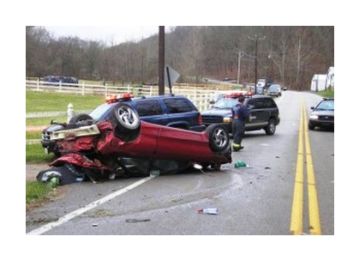
Traffic deaths spiked by 8% during the first half of the year, according to a new federal report, reversing a decade-long downward trend.

Officials point to a variety of factors that may be behind the unexpected increase, including both lower fuel prices and the improving economy. That has led to more Americans driving more frequently and for longer distances. A new AAA report, for example, indicates 42 million Americans will drive at least 42 miles over the coming Thanksgiving holiday.

“These numbers are a wake-up call,” said Mark Rosekind, head of the National Highway Traffic Safety Administration.

The sharp surge comes at a time when safety-related automotive recalls have also grown rapidly. A total of 64 million vehicles were affected in 2014, double the previous record set in 2004, and the industry could set yet another all-time high this year.

But Rosekind noted that 94% of all crashes are blamed on driver error, saying that, “It is important for Americans to know that human behaviors are by far the largest cause of fatalities.”

NHTSA has put an emphasis on distracted driving, a problem linked, but not limited, to texting and calling while driving. All told, the agency has blamed the problem for 10% of the 32,675 U.S. traffic deaths last year, but Rosekind suggested it may make up an even larger total but is difficult to confirm.

U.S. highway fatalities peaked in the 1970s then fell 40% over the following four decades. But the decline had been slowing in recent years, the total drop last year just 0.1%. But it also marked a record low of just 1.07 deaths per million vehicle miles driven. That figure rose 4% during the first half of 2015.

This year has seen the reversal of a significant trend: after a decade in which Americans drove an average 25% fewer miles each year, other studies have shown motorists are beginning to clock more miles again. According to the Federal Highway Administration, U.S. drivers close 1.54 trillion miles during the first half of 2015, a 3.5% year-over-year increase.

How much of an impact that has had is not yet clear, however. One possible indication will come over the Thanksgiving weekend when an average 1,000 Americans typically die on the road. The AAA reports a total of 47 million people will travel at least 50 miles for the holiday, 300,000 more than last year. That includes 42 million who will make their trips on the road.

Rosekind stressed that motorists can help reduce crashes, injuries and fatalities by putting down their smartphones, holding back on drinking – and drug use – while driving, and by using the most effective forms of safety gear: seatbelts and motorcycle helmets. There has been an even bigger surge in motorcycle deaths in recent years which has largely been blamed on the movement to eliminate mandatory helmet laws across the country.

Read more of the original article in The Detroit Bureau.

Nov 26, 2015connieshedron
Fleet ExcellenceUS Fleet Tracking Lists 4 GPS Tracker Geofence Usage Tips For Fleets
Recent Posts
  • IMPROVLearning: How Comedy, Behavioral Science and AI Improve Fleet Safety
  • Improving Productivity with AI: Turning Fleet Data into Faster Decisions
  • National Safety Council Projects Increased Traffic Crash Risk during Fourth of July Weekend
  • Keep Every Heavy-Duty Maintenance Inspection on Track — Free Fullbay Checklist
  • Gain Data-Driven Insights into Commercial Vehicle Market Trends at Executive Leadership Summit
  • Last Chance to Save: Register for NAFA’s Maintenance Workshop
  • License Plate Cameras Are About to Start Tracking a Lot More Than Just Your Car
  • America’s Heavy EV Problem May End with Drivers Paying More
  • Trends in U.S. Drivers’ Perceptions and Attitudes Toward Vehicle Automation, 2019–2025
  • 2026 NETS Strength IN Numbers Conference: Early Bird Rates!
ASSOCIATION NEWS
Last Chance to Save: Register for NAFA’s Maintenance Workshop
How AFLA Is Positioning Itself for the Future of Fleet Mobility
‘Raise Your Hand and Get Involved’
NAFA Names 2026 Class of Fellows, Honoring Leaders in Fleet Management
Award Winners Honored at NAFA I&E
2026 NAFA I&E Seeks to Change Perceptions, Invigorate Fleets
NAFA Announces Lineup for Media Day at I&E 2026: Industry Leaders to Showcase the Latest Innovations
TECHNOLOGY
Improving Productivity with AI: Turning Fleet Data into Faster Decisions
Fleet Operations Are Changing – The Industry Needs to Evolve With Them
AI-Powered Vehicle Inspections Move Beyond the Checklist
Motive’s New Workforce Capabilities Aim to Improve Performance, Automate Rewards
AI + Human Insight: Why Fleet Leaders Need Both to Win in 2026
NTSB Finds Automation Overreliance Contributed to Two Fatal Ford BlueCruise Crashes
New AI Assistants Automate Fleet Data Analysis, Decision Making and More
CONFERENCES & WEBINARS
2026 NETS Strength IN Numbers Conference: Early Bird Rates!
AFLA 2026 – Keynotes Announced!
Private Fleets Flex at National Private Truck Council Conference
Free NAFA Webinar: Manage Your Fuel Cost Volatility
Registration Now Open for NETS Annual Conference
Early Bird Pricing for AFLA 2026 – Ending June 1
NAFA Online Seminar: Essentials of Fleet Management
INDUSTRY ANNOUNCEMENTS
Union Leasing Becomes Moventum Fleet Management as 70-Year Company Accelerates into Next Phase
Fleetio Wins Innovations Award at NAFA’s 2026 Institute & Expo
WIFM is heading to NAFA!
Cox Automotive Unveils Cox Fleet, Setting a New Standard for Fleet Uptime Nationwide
AFLA Canadian Fleet Professional of the Year Award: Nominations Open!
NAFA Webinar: Kickoff the 2026 100 Best Fleets Contest on December 4!
Join NAFA’s Free Fleet 101 Live Course

Fleet Management Weekly Newsletter Archive
Access to back issues of the FMW newsletter.

FMW Mobility
How mobility is rapidly changing the fleet management landscape.

Newsletter

Subscribe

FMW Fleet Videos
Video clips of industry leaders speaking on a variety of engaging hot topics in fleet.

2014-2020 © Fleet Management Weekly