Truemag

  • Newsletters
  • Thought Leadership
  • Mobility
  • Safety
  • Work Trucks
  • Videos
  • Home
  • Subscribe
  • Contact Us
  • Media Kit
  • Who We Are

Infotainment Systems Distract Even With Voice Commands

The Detroit News

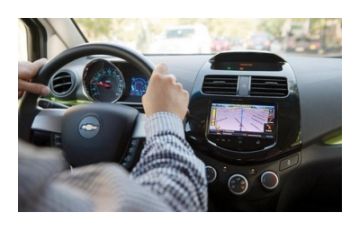
Car infotainment systems that use voice commands may let drivers keep their hands on the wheel, but they’re still highly distracting.

It takes drivers up to 27 seconds to return to full attention after using voice commands to make a hands-free call, turn on the radio or perform other tasks, according to two studies released Thursday by the AAA Foundation for Traffic Safety. Traveling at 25 miles per hour, that would equal the length of three football fields.

The studies, done for AAA by the University of Utah, compared various voice-operated systems from 2015 model-year vehicles.

Infotainment systems in the Chevrolet Equinox, Buick Lacrosse and Toyota 4Runner were the least distracting, because they were more intuitive and better at understanding voice commands. Systems in the Ford Taurus, Chevrolet Malibu, Volkswagen Passat, Nissan Altima, Chrysler 200 and Hyundai Sonata performed less well.

The system in the Mazda6 was the most distracting. The researchers found that Mazda’s system required multiple steps, had poor voice detection and took longer to complete tasks. To select a radio station, users had to say “frequency” and then the station number.

Practice with the systems didn’t necessarily help. The 257 research subjects took the cars home for five days, but the tasks that were difficult on the first day remained difficult a few days later, the researchers found.

The least distracting systems still impaired drivers for at least 15 seconds, the studies said. Older drivers took a longer time to resume full attention than younger ones. Researchers measured the return to full attention by timing participants’ response to a flashing light.

Researchers also studied the level of distraction when drivers use mobile phones with voice commands. They found Google Now was more intuitive — and slightly less distracting — than Apple’s Siri and Microsoft’s Cortana. The phone study had 65 participants.

Joel Cooper, a research assistant professor of psychology at the university and one of the studies’ authors, said voice command systems tend to be rigid, forcing drivers to use very specific commands to do various tasks. Even when drivers use the right commands, the systems don’t always understand them. When the systems don’t work, drivers get distracted trying to diagnose the problem.

“They’re just not good enough,” Cooper told The Associated Press. “They make a promise that they are a safe alternative, but they just don’t always function as promised.”

Read more of the original article in The Detroit News.

Oct 22, 2015connieshedron
Fleet Press ReleasesWhat's The Biggest Threat To Teens' Safety? It's Sitting In The Driveway
Recent Posts
  • Aging Fleets Are Forcing a New Approach to Maintenance
  • It’s All Downhill from Here!
  • AFLA Announces New Board Members
  • Fuel Spend, Fraud and More: Is Your Fleet Data Working Hard Enough
  • GM Has Found a More Profitable Way to Make Money from Your Car
  • Amazon Added 10,000 Rivian Electric Vans In Just Six Months
  • What Are You Going to Do If the Gas Runs Out?
  • Driver Death Rates Remain High for Small Cars, Models with Powerful Engines
  • Distracted Driving Enforcement Is Expanding. The Cost to Fleets Goes Far Beyond the Ticket.
  • Why Fleet Maintenance Costs Keep Rising – And What the Data Reveals
ASSOCIATION NEWS
AFLA Announces New Board Members
The Hourglass Foundation Named AFLA’s Charity of the Year for the Third Consecutive Year
AFLA Membership Growth: Mary Saunders on Engagement and the Value of Connection
How AFLA Is Positioning Itself for the Future of Fleet Mobility
Last Chance to Save: Register for NAFA’s Maintenance Workshop
‘Raise Your Hand and Get Involved’
NAFA Names 2026 Class of Fellows, Honoring Leaders in Fleet Management
TECHNOLOGY
Fleetio Customers Reject $41.6M in Unnecessary Repair Costs as AI-Powered Maintenance Scales
ServiceUp Launches Agentic Platform to Fully Automate Fleet Repair and Maintenance
America’s First UL-Certified Plug-In Balcony Solar Microinverter Is Here
As Fleet Tech Enthusiasm Tempers, New Study Reveals Path to Reactivate Adoption
The Fleet Manager’s Breaking Point: Why AI Must Do More Than Advise
All New Cars in the EU Now Need to Have a Camera Aimed at the Driver’s Face in the Latest Privacy Nightmare
The Grid Was Melting Down in Last Week’s Heat – Until EVs Came to the Rescue
CONFERENCES & WEBINARS
AFLA 2026: Keynote Speakers You Won’t Want to Miss!
Motus Webinar: One Platform for U.S. & Canada Employee Drivers
NETS 2026 Conference: Keynotes Confirmed; Road Safety Award Nominee Deadline
For The Leaders In The Room
2026 NETS Strength IN Numbers Conference: Early Bird Rates!
AFLA 2026 – Keynotes Announced!
Private Fleets Flex at National Private Truck Council Conference
INDUSTRY ANNOUNCEMENTS
Fleets: Preparing for Natural Disasters
Union Leasing Becomes Moventum Fleet Management as 70-Year Company Accelerates into Next Phase
Fleetio Wins Innovations Award at NAFA’s 2026 Institute & Expo
WIFM is heading to NAFA!
Cox Automotive Unveils Cox Fleet, Setting a New Standard for Fleet Uptime Nationwide
AFLA Canadian Fleet Professional of the Year Award: Nominations Open!
NAFA Webinar: Kickoff the 2026 100 Best Fleets Contest on December 4!

Fleet Management Weekly Newsletter Archive
Access to back issues of the FMW newsletter.

FMW Mobility
How mobility is rapidly changing the fleet management landscape.

Newsletter

Subscribe

FMW Fleet Videos
Video clips of industry leaders speaking on a variety of engaging hot topics in fleet.

2014-2020 © Fleet Management Weekly