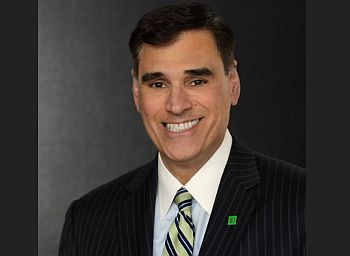
By Anthony Sasso, Head of TD Bank Equipment Finance
The transportation industry is experiencing a fundamental shift as fleet companies are adjusting to increasing expenses and changing industry dynamics. Fuel prices have surged, wages have increased due to the driver shortage, and the federal funds rate, which has surfaced from historic lows, is expected to continue to rise. Demanding consumer preferences and increased delivery pressure have caused companies to reassess business strategies and transition from long-haul to just-in-time (JIT) delivery.
To stay competitive, fleet companies are looking to acquire capital equipment that mitigates expense and meets the ever-changing consumer demands. And with the rapid pace of technological and efficiency improvements, such as increased mileage per gallon, collision avoidance, automatic transmission and alternative fuel options, many companies are looking to engage in shorter term lease options. According to 63% of fleet managers surveyed in April at the NAFA Institute & Expo, the expected cycle of upgrading to newer trucks and trailers will be shortened in the next three to five years.
To understand how to best financially maximize investments, fleet managers should engage with a strong, strategic partner who brings deep industry expertise and has the ability to provide extensive asset-class and collateral experience. In today’s economy, fleet companies searching for financing solutions should consider tax-oriented and fixed rate capital leases to mitigate market uncertainties and rising rates.
Flexible Financing Solutions
In an era of rising expenses and shortened cycle upgrades, equipment leases can provide substantial benefits to a company looking to invest in new equipment; according to fleet managers surveyed, 84% indicated that leasing equipment was more favorable than a loan, and of those, 43% would prefer a tax-oriented lease.
With a tax-oriented lease, the lessor claims the tax benefits of ownership through depreciation deductions but passes those benefits through to the lessee in the form of reduced payments, which are often fixed and won’t increase as interest rates rise. In addition to no down payments, a tax-oriented lease enables a company to align the cost of the asset over the lifespan of the lease, providing the liquidity fleet companies may need to expend throughout their business.
TRAC leases provide companies with the ability to purchase the equipment at the end of the lease term at a pre-determined residual amount that is agreed upon when the lease begins. This is often a desirable option for fleet companies since trucks can perform at optimal productivity for an extended duration of time and have a strong secondary market.
Fair market leases have broad options at lease maturity, which includes the ability to return, re-rent or purchase the equipment at the then market value of the assets. This type of lease is ideal for fleet companies looking to upgrade models in a relatively short period of time to capitalize on continuous technology efficiency and technological improvements. This short-term commitment is likely why 23% of fleet managers said they would prefer a fair market lease to a TRAC (20%).
Fleet companies can also choose a capital lease, which works well with longer-lasting, durable equipment, such as trailers, which are expected to run for 10 years. Not only are capital leases more inclusive than normal fixed-rate loans because they include associated upfront costs such as federal excise tax, but because the lessee obtains ownership of the equipment, companies receive the benefit of the depreciating asset.
Unlike purchased equipment or equipment secured through loans, which requires an upfront use of cash or credit, equipment leasing offers the flexibility necessary to provide customized financing solutions. By working with a committed financial partner that understands the business and is reliable and trustworthy, companies can engage in leases that work best for their business.
As fleet managers navigate an environment of rising costs and increasing demands, it’s important to have flexible financing options that minimize financial expense. When considering the best way to finance equipment, companies should seek a strategic partner who can provide a combination of flexibility, convenience and competitive pricing to guide financing options based on the company’s financial goals.
A trusted financial partner who has a deep understanding of the equipment, the secondary market, and economic trends can advise fleet companies on why tax-orientated and capital leases provide the customizable solutions with desired cost advantages that alleviate market uncertainties and combat increasing expenses.