By Ed Pierce, Editor, Fleet Management Weekly
July 23, 2025
The One Big Beautiful Bill (OBBB) has resulted in substantial changes that impact how commercial fleets operate. Enacted on July 4th, 2025, OBBB is a comprehensive piece of legislation that is already beginning to make a significant impact, especially for corporate fleet managers nationwide. The OBBB aims to address both immediate economic challenges and long-term sustainability objectives, leading to meaningful changes in how commercial fleets operate. As a result, fleet managers will benefit from understanding these changes, enabling them to confidently navigate the evolving regulations.
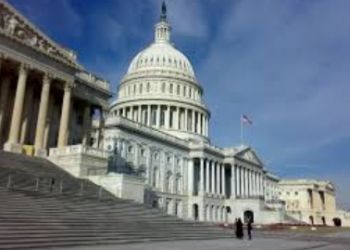 Its supporters promoted the OBBB to address two key areas affecting commercial fleets. First, the legislation aimed to stimulate immediate economic growth through significant tax relief, deregulation, and incentives for business investment. Second, it sought to ensure energy security and foster domestic innovation. In practice, the law rolls back many of the clean energy and climate provisions enacted in previous years. The enactment of OBBB has resulted in substantial changes that impact how commercial fleets operate.
Green Initiatives Rollback
One of the immediate effects is a significant rollback of green initiatives that, until recently, were central to commercial fleet planning. The most noticeable change is the termination of federal tax credits for electric vehicles (EVs), effective after September 30, 2025. These credits—offering up to $7,500 for new EVs and $4,000 for used EVs, along with commercial clean-vehicle credits—played a crucial role in making fleet electrification more financially feasible. Removing them will likely alter the economic considerations for deploying new EVs, especially for companies that have closely tied their sustainability goals to these federal subsidies.
 The OBBB also makes it easier to move away from production and investment credits for renewable energy sources like wind and solar. This shift could bring a fresh perspective for fleets that rely on renewable energy projects. With tighter deadlines for completing projects and new rules for foreign entities of concern, the process might seem more challenging. This is especially true for larger fleets that invest in on-site green energy infrastructure or renewable fuel procurement.
CAFÉ Penalty Removal
Perhaps even more noteworthy is the OBBB’s removal of the Corporate Average Fuel Economy (CAFE) penalties. These penalties have traditionally encouraged automakers to prioritize fuel efficiency. Now that they’ve been eliminated, vehicle manufacturers might find less motivation to maintain or improve fuel economy across their fleets. As a result, we could see a broader range of fuel efficiencies among the vehicles available to fleet operators, and the credits automakers traded to meet federal standards might become less common.
 Even with recent changes in federal support for sustainability, it’s great to remember that some green incentives are still around. The bill keeps Section 45Z clean-fuel credits active through 2029, which means fleets using renewable diesel and natural gas can still enjoy benefits. Plus, there are improved carbon-capture credits that promote some carbon sequestration linked to domestic energy efforts—though their direct effect on most commercial fleets might be more indirect.
New Opportunities for Fleet
For fleet managers, the finance and taxation provisions of the OBBB present some exciting opportunities. Starting January 19, 2025, fleets will be able to take advantage of immediate and full expensing—meaning 100% bonus depreciation—on all qualified vehicles and equipment.
 This new approach shifts away from the previous phase-down plan, offering a wonderful incentive to speed up capital investments, whether for regular replacements or growth. Plus, since this immediate expensing is expected to be permanent—at least for now—for capital and domestic R&D investments, it gives fleets greater strategic flexibility. This makes it easier to modernize with the latest technology and infrastructure in mind.
Small and mid-sized fleets will be pleased to learn that Section 179 depreciation remains part of the new law. For larger operations, however, full bonus depreciation might be more appealing due to purchasing caps and the limitation on generating tax losses.
In addition, to support U.S. manufacturing, the OBBB allows fleet managers to deduct interest on auto loans for U.S.-assembled vehicles bought between 2025 and 2028. This new provision offers even more options to consider when making decisions about procurement and financing.
Investment Tax Credit (ITC) Provides a Lesson
 Supporters of the bill often look back to the now-expired Investment Tax Credit (ITC) for guidance. In the 1980s, a similar program aimed to boost spending by offering tax incentives, but its repeal led to a noticeable slowdown in investment. This experience helps inform the new bill, which encourages swift and substantial investment in fleet upgrades, recognizing that the current benefits may not last forever. Because of this, taking action early is wise, before any policy changes are made.
But the OBBB is about more than just incentives and depreciation. It encourages regular oil and gas lease offers and supplies important funding for infrastructure projects such as highways, bridges, and logistics. These improvements can help cut fuel costs and improve efficiency, especially for fleets that cover long distances each year. Plus, removing the Superfund excise tax on petroleum is expected to lower the cost per gallon by a few cents, which could lead to meaningful savings for bigger operations.
 Expanded grants for public safety and immigration vehicles open up exciting new opportunities, especially for specialized fleet sectors. At the same time, rising procurement demands and changing labor standards are likely to influence suppliers and how vehicles are purchased. This means fleet managers should stay flexible and ready for change.
OBBB Impact is Just Beginning to Emerge
While we wait to see the full impact of the OBBB, some early signs are already emerging. The decision to remove federal EV incentives, the changes to bonus depreciation that encourage faster acquisition of capital assets, and the move away from strict green mandates—highlighting legacy fuel systems—mark an interesting new phase in fleet management. As fleet leaders dig into the 900+ pages of this new bill, it’s clear that staying informed and being flexible will be key to navigating this evolving policy landscape.
 About the author
Fleet marketing expert and consultant Ed Pierce is an editor at Fleet Management Weekly. He can reached at 484-957-1246 or [email protected].