
Truemag

  • Newsletters
  • Thought Leadership
  • Mobility
  • Safety
  • Work Trucks
  • Videos
  • Home
  • Subscribe
  • Contact Us
  • Media Kit
  • Who We Are

NHTSA Faults Risky Driver Behavior for Rise in Traffic Fatalities

NHTSA

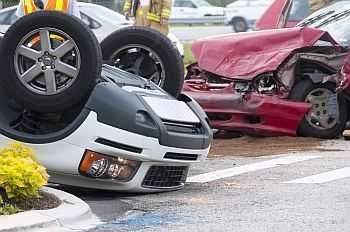
The U.S. Department of Transportation’s National Highway Traffic Safety Administration today released the Early Estimate of Motor Vehicle Traffic Fatalities for the First Quarter of 2021. NHTSA estimates that 8,730 people died in motor vehicle traffic crashes in the first three months of 2021, a 10.5% increase from the 7,900 fatalities the agency projected for the first quarter of 2020.

These increases in fatalities come even as driving declined; preliminary data reported by the Federal Highway Administration show that vehicle miles traveled (VMT) in the first three months of 2021 decreased by 2.1%, or about 14.9 billion miles. The fatality rates per 100 million VMT for the first quarter of 2021 increased to 1.26 fatalities per 100 million VMT, up from the projected rate of 1.12 fatalities in the same time last year.

“We must address the tragic loss of life we saw on the roads in 2020 by taking a transformational and collaborative approach to safety. Everyone – including those who design, operate, build and use the road system – shares responsibility for road safety,” said Dr. Steven Cliff, NHTSA’s Acting Administrator. “We are working closely with our safety partners to address risky driving behaviors such as speeding, impaired driving, and failing to buckle up.”

These early estimates suggest the driving patterns and behaviors the agency reported in 2020, which changed significantly from previous years, continue to prevail and that drivers who remained on the roads engaged in more risky behavior, including speeding, failing to wear seat belts, and driving under the influence of drugs or alcohol.

To assist stakeholders in evaluating the trends and identifying countermeasures, NHTSA today also released the 10th edition of Countermeasures That Work. This report supports a proactive, equitable safe system approach to eliminating fatalities on our nation’s roads, and addresses the safety of all road users, including those who walk, bike and drive.

“This tool includes information on strategies that can help prevent destructive behaviors like impaired driving, or encourage positive habits like wearing a seat belt,” Dr. Cliff said.

The 10 program areas covered in this edition of Countermeasures That Work are alcohol- and drug-impaired driving, bicycle safety, distracted driving, drowsy driving, motorcycle safety, older drivers, pedestrian safety, seat belts and child restraints, speeding and speed management, and young drivers. The report includes a look at how each issue impacts our society, and proven strategies for communities to consider in addressing these specific concerns.

A two-page Traffic Tech highlights this version’s additions, including new countermeasures and expanded issue areas. NHTSA will also publish easy-to-use reference sheets on each of the 10 issues highlighted in Countermeasures That Work, which will help communities learn about and implement the most effective strategies.


 

Sep 6, 2021Janice
Ram Top Auto Brand in J.D. Power 2021 Initial Quality StudyNAFA I&E Virtual Experience
Recent Posts
  • National Safety Council Projects Increased Traffic Crash Risk during Fourth of July Weekend
  • License Plate Cameras Are About to Start Tracking a Lot More Than Just Your Car
  • America’s Heavy EV Problem May End with Drivers Paying More
  • Trends in U.S. Drivers’ Perceptions and Attitudes Toward Vehicle Automation, 2019–2025
  • 2026 NETS Strength IN Numbers Conference: Early Bird Rates!
  • How AFLA Is Positioning Itself for the Future of Fleet Mobility
  • Google’s New Rules May Actually Favor Fleet Industry Marketing Specialists
  • Gary Kooner Named Entrepreneur Of The Year® 2026 Award Winner
  • Fleet Operations Are Changing – The Industry Needs to Evolve With Them
  • Inspiration Mobility Group Acquires Electrada Assets, Enhancing Electrification Capabilities
ASSOCIATION NEWS
How AFLA Is Positioning Itself for the Future of Fleet Mobility
‘Raise Your Hand and Get Involved’
NAFA Names 2026 Class of Fellows, Honoring Leaders in Fleet Management
Award Winners Honored at NAFA I&E
2026 NAFA I&E Seeks to Change Perceptions, Invigorate Fleets
NAFA Announces Lineup for Media Day at I&E 2026: Industry Leaders to Showcase the Latest Innovations
Nominations Now Open for NAFA Fleet Safety Awards
TECHNOLOGY
Fleet Operations Are Changing – The Industry Needs to Evolve With Them
AI-Powered Vehicle Inspections Move Beyond the Checklist
Motive’s New Workforce Capabilities Aim to Improve Performance, Automate Rewards
AI + Human Insight: Why Fleet Leaders Need Both to Win in 2026
NTSB Finds Automation Overreliance Contributed to Two Fatal Ford BlueCruise Crashes
New AI Assistants Automate Fleet Data Analysis, Decision Making and More
Ford is Giving its Commercial Fleet Business an AI Makeover
CONFERENCES & WEBINARS
2026 NETS Strength IN Numbers Conference: Early Bird Rates!
AFLA 2026 – Keynotes Announced!
Private Fleets Flex at National Private Truck Council Conference
Free NAFA Webinar: Manage Your Fuel Cost Volatility
Registration Now Open for NETS Annual Conference
Early Bird Pricing for AFLA 2026 – Ending June 1
NAFA Online Seminar: Essentials of Fleet Management
INDUSTRY ANNOUNCEMENTS
Union Leasing Becomes Moventum Fleet Management as 70-Year Company Accelerates into Next Phase
Fleetio Wins Innovations Award at NAFA’s 2026 Institute & Expo
WIFM is heading to NAFA!
Cox Automotive Unveils Cox Fleet, Setting a New Standard for Fleet Uptime Nationwide
AFLA Canadian Fleet Professional of the Year Award: Nominations Open!
NAFA Webinar: Kickoff the 2026 100 Best Fleets Contest on December 4!
Join NAFA’s Free Fleet 101 Live Course

Fleet Management Weekly Newsletter Archive
Access to back issues of the FMW newsletter.

FMW Mobility
How mobility is rapidly changing the fleet management landscape.

Newsletter

Subscribe

FMW Fleet Videos
Video clips of industry leaders speaking on a variety of engaging hot topics in fleet.

2014-2020 © Fleet Management Weekly