Truemag

  • Newsletters
  • Thought Leadership
  • Mobility
  • Safety
  • Work Trucks
  • Videos
  • Home
  • Subscribe
  • Contact Us
  • Media Kit
  • Who We Are

You May Not Live Long Enough to Ride a Driverless Car

Newsweek

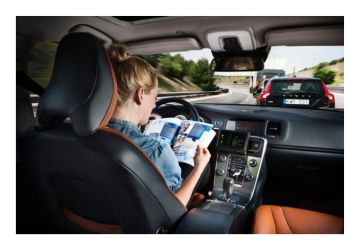
With all of the buzz from companies like BMW, Google and Tesla, it’s easy to get the impression that autonomous vehicles will be hitting the roads any day now, with an estimated 10 million self-driving cars shuttling passengers across the country by 2020.

However, in just the past few days, Uber ended up suspending and then slowly relaunching their self-driving car program after a high-impact crash.

Not the most promising start to a driverless future that is supposed to be a mere three years away.

Combined with the Tesla Autopilot incident a few months back that brought some much-needed attention to what it will take to turn autopilot into true autonomy, there are clearly strides that need to be made.

Despite technological advances, accidents like these reduce consumer trust and send companies back a few steps. A true autonomous future is perhaps as far away as 50 years, considering all that needs to happen to ensure safety and prepare the average driver.

While one will see the occasional driverless car zipping tech execs around Silicon Valley, new connected cars will still be out of reach for most families.

What’s more probable is that people will continue to drive around cars they already own, but with slight improvements in design and technology.

Even now in 2017, many cars rolling off assembly lines have zero connectivity, let alone autonomous capabilities. With vehicle retention at an all-time high of 11.6 years and growing annually, people will be driving these unconnected cars for years to come.

Additionally, the number of cars more than 12 years old is actually expected to increase 15 percent by 2020, the year in which analysts are predicting 10 million self-driving vehicles to be gracing the roads.

Unless consumer purchasing habits veer drastically off course, it’s unlikely there will be a significant number of autonomous vehicles driving down the road in a mere three years.

Current manufacturing trends aside, right now, 80 percent of people said they would not buy an autonomous vehicle if it were available today, citing trust in the technology as a major barrier. AAA had similar findings, with three-quarters of Americans afraid of riding in a self-driving vehicle.

It’s hard to give up control—especially when one small error could make the difference between arriving at the destination safely versus a fatal crash. While autonomous cars are meant to increase safety, this fear of the unknown still trumps technology and needs to be conquered before autonomous cars can become mainstream.

The slow societal transition to a new age quite literally driven by technology will take far more than three years.

Read more of the original article at Newsweek.
Apr 3, 2017connieshedron
10 Tips for Successful Business Networking'I'm sorry. I was texting,' Driver Told Witness After Collision with Church Bus that Killed 13
Recent Posts
  • IMPROVLearning: How Comedy, Behavioral Science and AI Improve Fleet Safety
  • Improving Productivity with AI: Turning Fleet Data into Faster Decisions
  • National Safety Council Projects Increased Traffic Crash Risk during Fourth of July Weekend
  • Keep Every Heavy-Duty Maintenance Inspection on Track — Free Fullbay Checklist
  • Gain Data-Driven Insights into Commercial Vehicle Market Trends at Executive Leadership Summit
  • Last Chance to Save: Register for NAFA’s Maintenance Workshop
  • License Plate Cameras Are About to Start Tracking a Lot More Than Just Your Car
  • America’s Heavy EV Problem May End with Drivers Paying More
  • Trends in U.S. Drivers’ Perceptions and Attitudes Toward Vehicle Automation, 2019–2025
  • 2026 NETS Strength IN Numbers Conference: Early Bird Rates!
ASSOCIATION NEWS
Last Chance to Save: Register for NAFA’s Maintenance Workshop
How AFLA Is Positioning Itself for the Future of Fleet Mobility
‘Raise Your Hand and Get Involved’
NAFA Names 2026 Class of Fellows, Honoring Leaders in Fleet Management
Award Winners Honored at NAFA I&E
2026 NAFA I&E Seeks to Change Perceptions, Invigorate Fleets
NAFA Announces Lineup for Media Day at I&E 2026: Industry Leaders to Showcase the Latest Innovations
TECHNOLOGY
Improving Productivity with AI: Turning Fleet Data into Faster Decisions
Fleet Operations Are Changing – The Industry Needs to Evolve With Them
AI-Powered Vehicle Inspections Move Beyond the Checklist
Motive’s New Workforce Capabilities Aim to Improve Performance, Automate Rewards
AI + Human Insight: Why Fleet Leaders Need Both to Win in 2026
NTSB Finds Automation Overreliance Contributed to Two Fatal Ford BlueCruise Crashes
New AI Assistants Automate Fleet Data Analysis, Decision Making and More
CONFERENCES & WEBINARS
2026 NETS Strength IN Numbers Conference: Early Bird Rates!
AFLA 2026 – Keynotes Announced!
Private Fleets Flex at National Private Truck Council Conference
Free NAFA Webinar: Manage Your Fuel Cost Volatility
Registration Now Open for NETS Annual Conference
Early Bird Pricing for AFLA 2026 – Ending June 1
NAFA Online Seminar: Essentials of Fleet Management
INDUSTRY ANNOUNCEMENTS
Union Leasing Becomes Moventum Fleet Management as 70-Year Company Accelerates into Next Phase
Fleetio Wins Innovations Award at NAFA’s 2026 Institute & Expo
WIFM is heading to NAFA!
Cox Automotive Unveils Cox Fleet, Setting a New Standard for Fleet Uptime Nationwide
AFLA Canadian Fleet Professional of the Year Award: Nominations Open!
NAFA Webinar: Kickoff the 2026 100 Best Fleets Contest on December 4!
Join NAFA’s Free Fleet 101 Live Course

Fleet Management Weekly Newsletter Archive
Access to back issues of the FMW newsletter.

FMW Mobility
How mobility is rapidly changing the fleet management landscape.

Newsletter

Subscribe

FMW Fleet Videos
Video clips of industry leaders speaking on a variety of engaging hot topics in fleet.

2014-2020 © Fleet Management Weekly