Truemag

  • Newsletters
  • Thought Leadership
  • Mobility
  • Safety
  • Work Trucks
  • Videos
  • Home
  • Subscribe
  • Contact Us
  • Media Kit
  • Who We Are

Los Angeles Tops INRIX Global Congestion Ranking

INRIX, Inc. published its all-new Global Traffic Scorecard. Based on a new methodology, INRIX analyzed 1,064 cities – 240 in the U.S. – across 38 countries, making it the largest ever study of traffic congestion.

Based on the findings, the U.S. ranked as the first most congested developed country in the world, with drivers spending an average of 42 hours a year in traffic during peak hours.

For the first time, the INRIX Traffic Scorecard also includes the direct and indirect costs of congestion to all U.S. drivers, which amounted to nearly $300 billion in 2016, an average of $1,400 per driver.

U.S. cities dominated the top 10 most congested cities globally, with Los Angeles (first), New York (third), San Francisco (fourth), Atlanta (eighth) and Miami (10th) each dealing with an economic drain on the city upwards of $2.5 billion caused by traffic congestion.

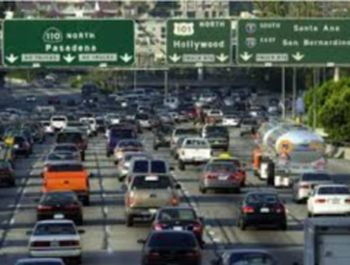
Los Angeles commuters spent an average of 104 hours last year in traffic jams during peak congestion hours – more than any other city in the world. This contributed to congestion costing drivers in Los Angeles $2,408 each and the city as a whole $9.6 billion from direct and indirect costs. Direct costs relate to the value of fuel and time wasted, and indirect costs refer to freight and business fees from company vehicles idling in traffic, which are passed on to households through higher prices.

Interestingly, both New York and San Francisco, the second- and third-ranked cities in North America (89 and 83 peak hours spent in congestion respectively), have a similar average congestion rate (13 percent) as Los Angeles, but show strikingly different traffic patterns during various parts of the day. For example, New York City has the highest daytime congestion on arterials and city streets, while San Francisco holds the top spot at peak times.

Phoenix and Detroit tie for the lowest cost of congestion among the top 25 U.S. cities, at $1,062 per driver, and rank among the bottom in all three categories of costs: commuting, business and leisure/other. Despite the high costs of congestion in New York and other cities, American drivers, in general, have it easier than their German counterparts. At $1,938, congestion costs the average German driver 38 percent more than an American, after adjusting for exchange rates and the cost of living.

“A stable U.S. economy, continued urbanization of major cities, and factors such as employment growth and low gas prices have all contributed to increased traffic in 2016. Congestion also costs our country hundreds of billions of dollars, threatens future economic growth and lowers our quality of life. Traffic truly is a double-edged sword,” said Bob Pishue, senior economist at INRIX. “The demand for driving is expected to continue to rise, while the supply of roadway will remain flat. Using big data and technology to improve operations of existing roadways offers a more immediate impact on traffic flows and mobility while transportation officials explore strategic capital investments.”

Read more of the original article

Feb 27, 2017connieshedron
IBM and Visa Want the Credit Card CarExcellent Long-Term Quality Isn’t Exclusive to Luxury Brands, J.D. Power Finds
Recent Posts
  • IMPROVLearning: How Comedy, Behavioral Science and AI Improve Fleet Safety
  • Improving Productivity with AI: Turning Fleet Data into Faster Decisions
  • National Safety Council Projects Increased Traffic Crash Risk during Fourth of July Weekend
  • Keep Every Heavy-Duty Maintenance Inspection on Track — Free Fullbay Checklist
  • Gain Data-Driven Insights into Commercial Vehicle Market Trends at Executive Leadership Summit
  • Last Chance to Save: Register for NAFA’s Maintenance Workshop
  • License Plate Cameras Are About to Start Tracking a Lot More Than Just Your Car
  • America’s Heavy EV Problem May End with Drivers Paying More
  • Trends in U.S. Drivers’ Perceptions and Attitudes Toward Vehicle Automation, 2019–2025
  • 2026 NETS Strength IN Numbers Conference: Early Bird Rates!
ASSOCIATION NEWS
Last Chance to Save: Register for NAFA’s Maintenance Workshop
How AFLA Is Positioning Itself for the Future of Fleet Mobility
‘Raise Your Hand and Get Involved’
NAFA Names 2026 Class of Fellows, Honoring Leaders in Fleet Management
Award Winners Honored at NAFA I&E
2026 NAFA I&E Seeks to Change Perceptions, Invigorate Fleets
NAFA Announces Lineup for Media Day at I&E 2026: Industry Leaders to Showcase the Latest Innovations
TECHNOLOGY
Improving Productivity with AI: Turning Fleet Data into Faster Decisions
Fleet Operations Are Changing – The Industry Needs to Evolve With Them
AI-Powered Vehicle Inspections Move Beyond the Checklist
Motive’s New Workforce Capabilities Aim to Improve Performance, Automate Rewards
AI + Human Insight: Why Fleet Leaders Need Both to Win in 2026
NTSB Finds Automation Overreliance Contributed to Two Fatal Ford BlueCruise Crashes
New AI Assistants Automate Fleet Data Analysis, Decision Making and More
CONFERENCES & WEBINARS
2026 NETS Strength IN Numbers Conference: Early Bird Rates!
AFLA 2026 – Keynotes Announced!
Private Fleets Flex at National Private Truck Council Conference
Free NAFA Webinar: Manage Your Fuel Cost Volatility
Registration Now Open for NETS Annual Conference
Early Bird Pricing for AFLA 2026 – Ending June 1
NAFA Online Seminar: Essentials of Fleet Management
INDUSTRY ANNOUNCEMENTS
Union Leasing Becomes Moventum Fleet Management as 70-Year Company Accelerates into Next Phase
Fleetio Wins Innovations Award at NAFA’s 2026 Institute & Expo
WIFM is heading to NAFA!
Cox Automotive Unveils Cox Fleet, Setting a New Standard for Fleet Uptime Nationwide
AFLA Canadian Fleet Professional of the Year Award: Nominations Open!
NAFA Webinar: Kickoff the 2026 100 Best Fleets Contest on December 4!
Join NAFA’s Free Fleet 101 Live Course

Fleet Management Weekly Newsletter Archive
Access to back issues of the FMW newsletter.

FMW Mobility
How mobility is rapidly changing the fleet management landscape.

Newsletter

Subscribe

FMW Fleet Videos
Video clips of industry leaders speaking on a variety of engaging hot topics in fleet.

2014-2020 © Fleet Management Weekly