
By Ed Pierce, Fleet Management Weekly Editor, Former ARI (Holman) VP of Marketing
November 5, 2025
Fleet managers today have no shortage of data. Every vehicle, driver, and trip generates information — from telematics and GPS to fuel cards, maintenance records, and driver behavior reports. The problem isn’t access to data; it’s making sense of it all and turning it into decisions that save money and keep vehicles on the road.
That’s where predictive analytics comes in. It’s the next big step beyond traditional telematics — and it can help fleets cut costs, improve uptime, and boost productivity. But getting there takes some planning, especially if you work with multiple telematics or maintenance vendors.
Here’s a simple, step-by-step guide to move your fleet from “lots of data” to “smarter, predictive decisions.”
 Step 1: Bring All Your Data Together
Before you can predict anything, you need all your data in one place. Most fleets have data scattered across different systems — telematics providers, fuel card vendors, shop management systems, and even spreadsheets.
Start by listing every source of vehicle data you have.
- Making sure each vendor can share data through an API or export file.
- Asking vendors about their ability to integrate with your fleet management platform.
If you have multiple telematics systems, look for a middleware or integration platform that can combine everything. Some fleets use open-standard tools like the FMS Standard Interface (used widely in Europe for trucks) or fleet analytics systems like Geotab Data Connector or Samsara Open API.
The goal is simple: to see every vehicle, fault code, and driver event in one dashboard, regardless of which vendor provides it.
 Step 2: Move from “What Happened” to “What’s Next”
Once your data is unified, you can start looking beyond simple reports. Here’s how to climb the analytics ladder:
1. Descriptive: What happened?
– Example: “Five trucks had engine fault codes this week.”
2. Diagnostic: Why did it happen?
– Example: “Those trucks idled for long periods in hot weather, which caused overheating.”
3. Predictive: What’s likely to happen next?
– Example: “Based on the last 12 months, this truck has a high chance of turbo failure in the next 60 days.”
That last step — predictive analytics — is the game-changer. It lets you fix problems before they happen, avoid downtime, and plan maintenance and staffing more efficiently.
S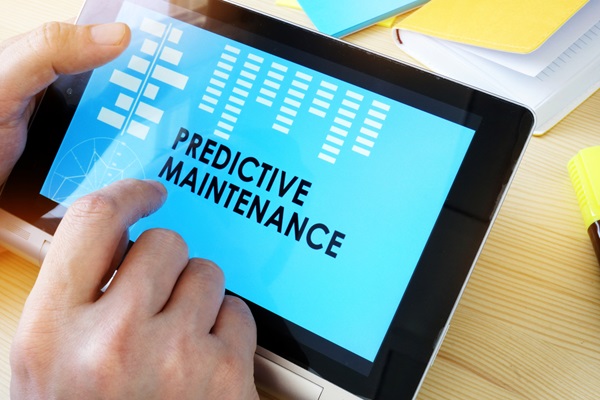 tep 3: Start with One or Two High-Value Use Cases
Predictive analytics sounds big, but you don’t need to boil the ocean. Start small with the areas that hit your budget the hardest:
- Maintenance: Predict which vehicles will need repairs soon based on fault codes, mileage, and past service data.
- Fuel: Spot unusual fuel consumption or theft.
- Safety: Identify drivers at higher risk of accidents based on speed, braking, and distraction data.
Pick one of these and run a pilot project. Prove the savings, then expand.
Step 4: Turn Insights into Action
Predictions mean nothing if they sit on a dashboard. Build alerts and workflows that connect your predictions to your operations:
- When a predictive alert fires, it automatically creates a maintenance ticket.
- When fuel anomalies are detected, the fleet manager gets a quick email or text.
- When driver risk increases, coaching sessions are scheduled automatically.
This is where true ROI appears — when predictive data starts shaping real decisions.
 Step 5: Manage Change and Measure Results
Switching from reactive to predictive management can feel like a culture shift. Your technicians, drivers, and even accounting staff will need time to adjust. Be open, show early wins, and share success stories. Track results using simple, business-friendly metrics:
- Fewer breakdowns per month
- Reduced maintenance cost per mile
- Fewer fuel exceptions
- Fewer safety incidents
When people see real improvements, adoption skyrockets.
Vendor & Technology Readiness Checklist
Here’s a quick checklist to see if your vendors and technology are ready for predictive analytics.
| Category | What to Ask or Verify | Why It Matters |
| Data Access | Can you export or access your data via API? | Predictive analytics requires a steady, real-time data flow. |
| Integration | Do your systems integrate with others (fuel, maintenance, telematics)? | Data silos block insights. Integration is essential. |
| Data Standards | Are data fields standardized (VIN, mileage, fault codes)? | You need consistent labels to compare across vendors. |
| Data Quality | How often is data updated? How accurate is it? | Bad or delayed data leads to wrong predictions. |
| Analytics Capabilities | Do you have built-in analytics or need third-party tools? | Helps decide if you build or buy predictive tools. |
| User Interface | Is data visualized clearly for fleet staff? | Adoption depends on ease of use. |
| Security & Privacy | Is driver/vehicle data protected under policy and law? | Keeps you compliant and trustworthy. |
| Support & Training | Does the vendor provide onboarding for analytics use? | Helps ensure your staff can use the tools effectively. |
If you answer “no” or “not sure” to several of these, start a conversation with your vendors about upgrading or opening up access.
Sample Business Case Template
 Here’s a simple structure you can use when pitching predictive analytics to your leadership team.
- Problem Statement
Example: “Our fleet experiences frequent unplanned downtime, costing an estimated $X per month in lost productivity and emergency repairs.” - Opportunity
Predictive analytics can identify vehicle failures before they happen, reducing downtime and repair costs by 20–30%, according to telematics industry benchmarks. - Project Scope
Start with a pilot on 50 vehicles across multiple vendors, using existing telematics data and maintenance logs. - Key Metrics for Success
– Reduction in unscheduled maintenance events
– Lower cost per mile
– Improved vehicle uptime
– Fewer safety incidents - Technology Plan
– Use vendor APIs to combine telematics, fuel, and maintenance data.
– Apply predictive analytics tools or dashboards.
– Train maintenance and dispatch teams to use alerts. - ROI Estimate
Example: “If predictive alerts prevent just 10 major repairs per year, savings exceed $40,000, not including uptime gains.” - Next Steps
– Meet with vendors to discuss data access.
– Build a 90-day pilot plan.
– Review pilot results with management.
– Roll out to the whole fleet by the end of the year.
The Bottom Line
 Fleet managers already sit on a mountain of valuable data. The key is turning that data into foresight — knowing what will happen next so you can plan smarter and spend less.
Predictive analytics doesn’t have to be complex or expensive. Start small, pick the proper use case, and work closely with your vendors. Soon, you’ll be preventing problems instead of reacting to them — and proving once again that data-driven fleets are the most efficient fleets.
 About the author
Fleet marketing expert and consultant Ed Pierce is an editor at Fleet Management Weekly. He can be reached at 484-957-1246 or [email protected].