By Ed Pierce, Fleet Brand Acceleration
April 8, 2026
Fleet managers have more data than ever. Yet the pressure to control costs, reduce downtime, improve safety, and retain drivers keeps increasing. The challenges aren’t new. The solutions are.
Telematics is no longer just about tracking vehicles. It now involves predicting issues, automating decisions, and optimizing operations in real time. Fleets that adopt this shift are moving ahead quickly. Those who don’t risk falling behind.
From Visibility to Action
Fleet operations always involve trade-offs. Managers must balance uptime and cost, safety and productivity, efficiency, and service expectations. Traditional telematics provided past data, but visibility alone doesn’t solve issues.
Today’s systems go even further; they turn data into action. That is the true transformation.
 Modern telematics transforms fleet management from passive tracking to active decision-making—using AI-driven insights to predict maintenance needs, improve driver safety, reduce fuel costs, and enable real-time operational control across the fleet.
Predictive Maintenance Reduces Downtime
One of the biggest advances is predictive maintenance. Unplanned downtime remains one of the costliest issues fleets face. Breakdowns disrupt schedules. Repairs are expensive. Vehicles sit idle when they should be working.
Older maintenance models relied on fixed schedules, which often led to vehicles being serviced too early or too late. Modern telematics platforms use AI to monitor engine data, usage patterns, and conditions in real time. They identify issues before they become failures, allowing fleets to act early.
Maintenance is performed when needed, not based on guesswork. This leads to less downtime, lower costs, and longer vehicle lifespan. Maintenance shifts from reactive to proactive.
AI Video Telematics Improves Safety
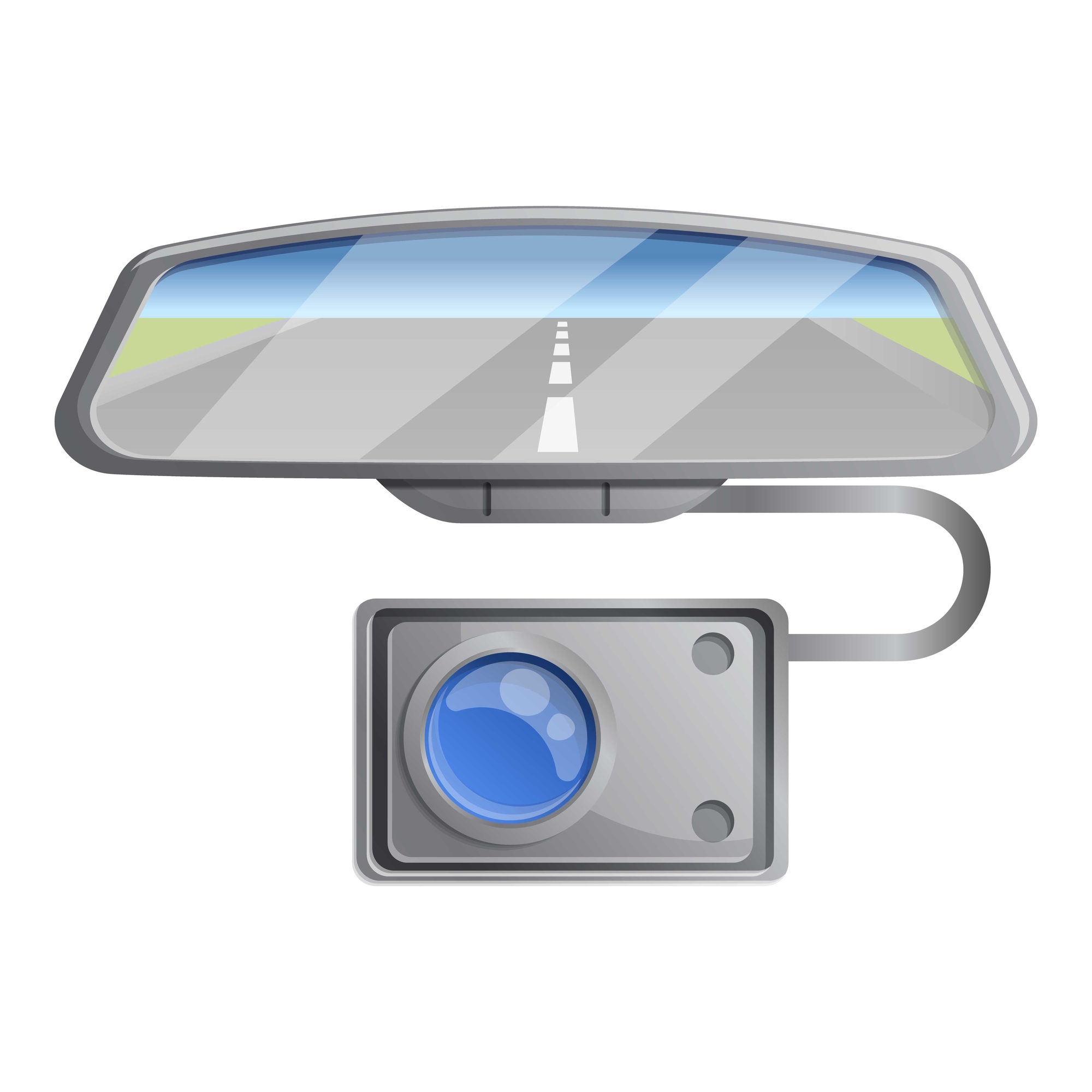 Safety is also evolving. In the past, telematics helped document accidents, with dashcams and reports providing evidence after the fact. That assisted with claims but didn’t prevent incidents.
Now, AI-powered video telematics focuses on preventing accidents before they happen. Inside the vehicle, systems detect risky behavior in real time. This includes distraction, fatigue, and unsafe driving patterns. Drivers receive immediate alerts, while managers gain coaching insights.
This approach reduces accidents. It lowers liability. It also enhances driver performance over time. Instead of only fixing mistakes, fleets can foster a culture of safety and continuous improvement.
Real-Time Optimization Controls Fuel Costs
Fuel costs are a major concern. Inefficient routing, idling, and poor utilization add up quickly. Even small inefficiencies result in significant expenses across a fleet.
 Modern telematics platforms tackle this with real-time optimization. AI constantly analyzes traffic, weather, routes, and delivery windows. It updates routes as conditions change.
This helps reduce unnecessary miles, cut idle time, and ensure on-time delivery. Fleet managers gain better control over fuel expenses and service quality. Telematics is no longer just about tracking movement; it’s about guiding it.
Unified Platforms Eliminate Data Silos
Another ongoing challenge is fragmented data. Fleet information is often stored in separate systems. Maintenance, compliance, routing, and telematics rarely integrate smoothly. This leads to blind spots and additional work.
New telematics platforms address this by integrating data. They consolidate information into a single system. Cloud-based tools and open APIs connect across platforms.
This provides managers with a clear, unified view of operations. Decisions are made more quickly. Reporting becomes simpler. Manual tasks are reduced. Instead of chasing data, managers can act on it efficiently.
AI Insights Reduce Data Overload
As data grows, another problem arises—overload of information. Many fleet managers are not short on data; they lack the time to analyze it.
 Generative AI is helping address this issue. New systems allow managers to ask questions in plain language, such as why fuel costs have increased or which vehicles are at risk. The system provides clear answers quickly.
This reduces time spent on reports and speeds up decision-making. It enables more people across the organization to use data effectively.
Telematics Supports Sustainability and EV Adoption
Sustainability introduces new pressure. Fleets need to cut emissions and think about electric vehicles. But EV adoption is complicated. Not every route or vehicle is suitable for EV use.
Telematics helps guide these decisions by monitoring energy use, route efficiency, and emissions. It shows where EVs work well and where they don’t.
This lowers risk. It enables smarter planning. Sustainability becomes based on data rather than guesswork.
Automated Compliance Reduces Risk
 Compliance is another area being improved. Regulations such as Hours of Service add to heavy administrative work. Mistakes can result in fines and risk.
Telematics now automates much of this process. Systems monitor driver activity and flag issues early. Reports are generated automatically.
This reduces manual effort. It lowers compliance risk. Managers can focus less on paperwork and more on operations.
Driver Engagement Improves Retention
For commercial fleets, the driver shortage remains a major challenge. Retaining drivers is essential. Technology now helps enhance the human side of fleet management.
 Telematics systems provide driver scorecards and performance feedback. Some include gamification and incentives. Drivers can see their performance and identify areas for improvement.
Managers can recognize top performers and those who need support. This fosters a more engaged workforce. It also boosts safety and performance.
A New Standard for Fleet Performance
Across all these areas, one change is notable. Telematics is shifting from just showing data to taking action. It’s no longer about what already occurred. Instead, it focuses on what should happen next.
Systems now predict problems, suggest solutions, and sometimes act automatically. For fleet managers, this shifts the role of telematics. It becomes a strategic asset rather than just an operational tool.
Recommended Actions for Fleet Managers
To achieve best-in-class performance, fleet managers should begin with a clear assessment. Determine whether current systems deliver real-time insights or only historical reports.
 Next, focus on integration. Bringing data together is essential. Without it, even the best tools fall short.
Managers should also look for AI-driven capabilities. These tools reduce analysis time and improve decision speed. They make complex data usable. Investing in safety and driver engagement tools is equally important. These solutions reduce risk and improve retention at the same time.
Finally, take a phased approach. Start with high-impact areas such as maintenance or safety. Measure results. Then expand. The challenges facing fleets are not going away. But the tools to solve them have improved dramatically. Telematics is now a driver of performance. It enables faster decisions, better outcomes, and more efficient operations.
For fleet managers, the opportunity is clear. Those who adopt these innovations will not just improve their fleets. They will define what best-in-class looks like in the years ahead.
 About the author
Fleet marketing expert and consultant Ed Pierce is an editor at Fleet Management Weekly. He can be reached at 484-957-1246 or [email protected].