By Ed Pierce, Fleet Management Weekly Contributing Editor
October 17, 2022
Each quarter, Element Fleet Management conducts research to uncover the latest macroeconomic trends affecting fleets. The latest Trends brought to you by Element report for 2022 Q3 identified three major trends impacting the fleet industry:
1. The increased adoption of EVs,
2. Continued supply chain challenges, and
3. Increased maintenance costs.

While the report showed minor differences between countries such as the US, Canada, and Mexico, the trends could be seen internationally. Issues with inflation, supply and demand imbalances, supply chain disruption, and high gas prices all contributed to these trends by exacerbating the strain on most areas of fleet expenditures.
 Element’s latest report included not only information about these trends, but also recommendations for fleet managers looking to navigate the shifting landscape.
Steve Jastrow, Element’s vice president of consulting & analytics, expanded upon the 2022 Q3 Report to help fleet managers meet their 2022 objectives and start budgeting for 2023.
Increased Adoption of EVs
The first trend that Element identified is the increased adoption of EVs, which is driven in large part by rising gas prices and a push towards sustainability.
“We’re starting to see an uptick in EV adoption globally or across the US, both in fleet and outside of fleet,” said Jastrow. “We’ve hit the 5% tipping point, which we typically see in other countries as the point where you start to see mass adoption.” Jastrow attributed this increase due to high fuel prices as well as ESG initiatives and sustainability goals. Element’s report also notes that battery innovations have helped to further reduce emissions and increase EV range, making them an attractive and sustainable alternative to ICE vehicles.
Jastrow noted that the transition from ICE to EV is a challenge for many fleet managers. To help fleets get started, Element recommends that they create sustainability goals that guide their transition. The company also recommends clients get started with EV pilots to see how their drivers adapt to the new technology. This could help businesses identify which of their drivers would be best positioned to convert over.
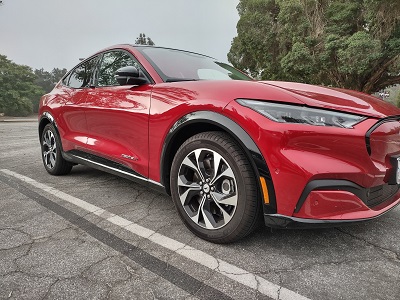 “That could be a mix of looking at what the charging infrastructure looks like in the desired area along with the utilization of the vehicle, as well as what the vehicle need is,” said Jastrow. “There’s a limited number of EV models available, so the bigger and more complex upfitting requirements, it gets a little bit more constrained in terms of what the availability is.”
Jastrow noted the limited number of EV models available, making it difficult to find complex or oversized EVs. He also noted that not all drivers may be suited to converting over to an EV. For example, drivers in a mid-size or large SUV may run into issues when converting to a sedan or small SUV. This is especially true for drivers who use their vehicles for personal needs, which may require a larger vehicle.
“Employee happiness has become a greater issue in our constrained labor environment,” said Jastrow. “Careful consideration is needed when rolling out an EV approach.”
What’s the Best Charging Solution?
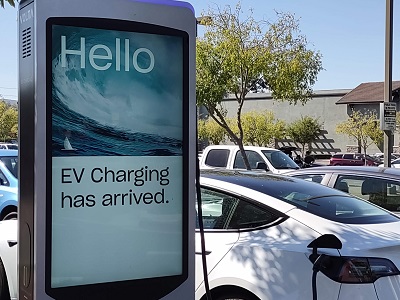 Another of Element’s recommendations is to start figuring out what the best charging solution will be for your fleet. Fleet managers will have to weigh the benefits of home charging versus depot charging versus public charging based on the needs of their drivers.
“If you’re thinking about retrofitting any kind of a plant or a facility with charging infrastructure to replace on-location fueling, that is going to be a relatively long cycle,” said Jastrow. “There’s going to be a lot of planning companies will need to do to undergo the Ice-to-EV transition.”
Jastrow noted the difficulties of installing home charging for drivers who rent their properties instead of owning them. For fleets considering public charging, he recommended they evaluate the availability of public charging in their area. He also advised fleets to consider how their drivers use the vehicle to determine whether daytime or overnight charging would be a better fit.
Global Supply Chain Issues Continue
The second trend is the continued difficulty with the supply chain. While the microchip shortage is slowly making its way to an end, vehicle production has also been impacted recently. This has created several issues for fleet managers being able to get the vehicles they need.
 Because of the widespread transportation issues, order delivery windows have expanded and vehicles going through the upfitting process have seen extended delays. Supply chain constraints include difficulty moving units between plants, upfitters, and dealers, as well as the impact of the war in Ukraine on commodity prices.
“We used to think about our replacement strategy on a six month to six-month basis, because we were able to place all the orders and we knew they were all going to come in, and it was a relatively short order to delivery window,” said Jastrow.
“That strategy is sort of out the window now. What you really need to be thinking about is a much longer-term view on replacement because of how long it takes vehicles to come in. And you may be needing to look 18 to 24 months out to start thinking about what vehicles should I be ordering today so that they’re coming on road as vehicles are hitting the replacement parameters.”
Order Banks’ Closing Windows
If fleet managers are able to plan out their fleet needs for the long term, then they’ll be ready to order vehicles during the window when the order banks open. This will allow them to fulfill all the orders they’ll need in both the short and long term. This is especially important due to how much shorter the order windows have become for fleets to order new vehicles.
“Many times, the order window opens in the morning and they shut down later that day,” said Jastrow. “So getting your orders in when that order window opens up is really critical. Make sure that you have all your approvals already taken care of before that window opens up, you know what you’re ordering, and you’re ready to go when that order window is available, because it’s only going to be open for a short period of time.”
 He also stressed the need to inform finance departments of the increased length of time between when you order and when your order is delivered. Delays in TRAC adjustments and resale profits could have an impact on financials. They could also result in vehicles with higher odometer ratings and the need for more maintenance. Fleets will need to budget for higher costs than previous years, which is around an 8% increase from this year. Element also recommends taking advantage of the strong resale market. To that end, they recommend selling any spares or underutilized assets for a premium price.
Strategies for Increasing Maintenance Costs
This leads to the third and final trend, which is the increased maintenance costs for fleets. With vehicles on the road for longer, they’re in need of more maintenance, which causes maintenance expenditures to go up. In addition to inflation, maintenance costs have gone up because of the shortage of new vehicle options, which is preventing fleets from selling vehicles they would normally get rid of. Lastly, maintenance costs have increased due to the labor constraints affecting all industries. Component costs have increased alongside labor costs, which has made it more expensive for mechanics to come in and work on vehicles.
 Increases in unscheduled maintenance lead to more downtime, which is why Element recommends that fleets get their vehicles in for scheduled preventative maintenance. “Many fleets have parameters in place where they’re not going to do preventative maintenance over a certain mileage because they know they’re about to replace the vehicle, and those will need to be reevaluated because you’re holding onto the vehicles longer,” said Jastrow.
Element has a few other recommendations for fleets looking to offset higher maintenance costs. “Think about redistributing vehicles that tend to get low miles for vehicles that get high miles so you can extend the term of that particular vehicle where it makes sense,” said Jastrow. “The National Account maintenance network is also an area where you can drive some significant savings as you’re incurring your scheduled and unscheduled maintenance events.”
Element’s report notes that, before the pandemic, a 10% increase in vehicle age would usually result in a 10% increase in maintenance spend. Now, however, a 10% increase in vehicle age could result in a 15-20% increase in vehicle maintenance. Element recommends that fleets connect with their finance departments to understand the effects of inflation on fleet costs. “That’ll be a critical element for the managers to make sure that they’re connecting with their finance partners,” said Jastrow.